Now Playing
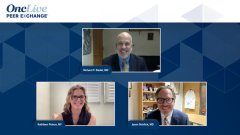
In this opening segment, the panel discusses how patients with desmoid tumor typically present and how referral pathways have evolved in recent years.
In this opening segment, the panel discusses how patients with desmoid tumor typically present and how referral pathways have evolved in recent years. Patients most commonly report a palpable mass, localized pain, swelling, or functional limitation depending on tumor location. In some cases, lesions are incidentally detected on imaging. Historically, many of these patients were referred directly to surgeons early in their disease course, often before comprehensive diagnostic evaluation or multidisciplinary input. Because desmoid tumor can appear locally aggressive on imaging, the instinct to pursue surgical resection was common.
The panel emphasizes that contemporary management has shifted significantly. Current NCCN and Desmoid Tumor Working Group recommendations discourage routine upfront surgery due to high recurrence rates and potential morbidity. Instead, early confirmation of diagnosis and multidisciplinary evaluation are prioritized. Desmoid tumor is biologically distinct from soft tissue sarcoma and does not metastasize, which fundamentally changes treatment goals. The objective is long term disease control and preservation of quality of life rather than immediate resection.
The discussion highlights the importance of early referral to centers with sarcoma expertise, where pathology review, imaging interpretation, and risk stratification can guide decision making. Educating referring clinicians about the unique behavior of desmoid tumor is critical to preventing overtreatment. This segment establishes the foundation for a modern, individualized approach to desmoid tumor management that balances tumor biology, symptom burden, and patient preferences.