
Opinion|Videos|March 11, 2026
The Selective Role of Surgery in Contemporary Desmoid Tumor Management
Explore how desmoid tumor genetics guide diagnosis and FAP screening, why APC testing matters, and when molecular profiling shapes monitoring decisions.
Advertisement
Episodes in this series
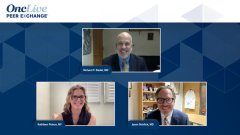
Surgery historically served as first line therapy for desmoid tumor. However, contemporary evidence has led to a paradigm shift. The panel discusses how high local recurrence rates, potential surgical morbidity, and the unpredictable natural history of desmoid tumor have reduced the role of upfront resection.
Surgical intervention may still be considered in highly selected scenarios, such as small, localized tumors in non critical anatomic locations where complete resection can be achieved with minimal functional compromise. Even in these situations, multidisciplinary discussion is essential to weigh risks and benefits. Recurrent disease after surgery can be challenging to manage and may ultimately result in greater morbidity than initial observation or systemic therapy.
The panel underscores that desmoid tumor does not metastasize, which shifts the therapeutic goal toward preserving function and quality of life. Rather than defaulting to surgery, clinicians are encouraged to confirm diagnosis, assess symptoms, and consider active surveillance or systemic options when appropriate. This segment highlights how evidence aligned care has transformed surgical decision making in desmoid tumor.
Advertisement
Related to this article
Here is your cheat sheet to all therapeutic options that were cleared by the FDA in September 2026 spanning tumor types.

The FDA approved tucatinib plus trastuzumab and pertuzumab as maintenance for advanced HER2-positive breast cancer after induction.

The c-Met–directed ADC was designated for EGFR wild-type nonsquamous NSCLC after platinum chemotherapy and anti–PD-(L)1 therapy.

Dana-Farber’s Xin Gu, PhD, and Nicholas Polizzi, PhD, received NIH New Innovator Awards for high-risk, high-reward research.
The c-Met–directed ADC-based combination was designated for mCRC previously treated with fluoropyrimidine, irinotecan, oxaliplatin, and anti-VEGF therapy.

Pooled data from 3 randomized trials showed ropeginterferon alfa-2b improved responses vs phlebotomy alone but not vs hydroxyurea in polycythemia vera.

Experts break down key multiple myeloma data and trends from the 23rd Annual IMS Meeting.

Firmonertinib did not significantly improve BICR-assessed PFS vs platinum/pemetrexed chemotherapy in first-line EGFR exon 20–mutant NSCLC in FURVENT trial.
Advertisement
Advertisement
Trending on OncLive
1
FDA Approves Tucatinib Plus Trastuzumab/Pertuzumab as First-Line Maintenance in Advanced HER2+ Breast Cancer
2
FDA Grants Breakthrough Therapy Designation to Telisotuzumab Adizutecan Plus Bevacizumab in Refractory mCRC
3
FDA Grants Breakthrough Therapy Designation to Temab-A in Previously Treated c-Met–Expressing Nonsquamous NSCLC
4
Firmonertinib Fails to Meet PFS End Point in First-Line EGFR Exon 20 Insertion–Mutant NSCLC
5