
Opinion|Videos|March 25, 2026
Managing Adverse Events Associated With Systemic Therapy in Desmoid Tumor
Learn how clinics proactively manage oral cancer therapy toxicities—education, early follow-ups, and dose tweaks to control hand-foot, GI
Advertisement
Episodes in this series
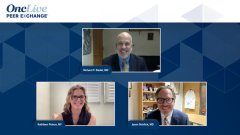
In this segment, the panel focuses on the practical management of adverse events associated with modern systemic therapy for desmoid tumor. As treatment options have expanded to include targeted agents such as gamma secretase inhibitors and tyrosine kinase inhibitors, clinicians must proactively address toxicity to maintain treatment continuity and optimize patient outcomes.
The discussion highlights gastrointestinal adverse events as among the most commonly encountered challenges, particularly diarrhea and nausea. Early recognition and supportive care interventions, including antidiarrheal agents, dietary adjustments, and close monitoring, are emphasized as essential strategies. Fatigue, dermatologic reactions, and laboratory abnormalities, including electrolyte disturbances, may also occur and require routine assessment during follow-up visits.
The panel underscores that successful toxicity management relies on patient education before therapy initiation. Setting expectations regarding potential side effects improves adherence and encourages early reporting of symptoms. Dose interruptions or modifications are sometimes necessary and should be approached thoughtfully to preserve both efficacy and quality of life.
Importantly, the conversation reflects a shift in desmoid tumor management from episodic intervention to chronic disease monitoring. Because many patients remain on therapy for extended periods, ongoing communication between clinicians and patients is critical. Through structured monitoring, anticipatory guidance, and individualized dose adjustments, clinicians can mitigate toxicity burden while maintaining therapeutic benefit in desmoid tumor care.
Advertisement
Related to this article
Here is your cheat sheet to all therapeutic options that were cleared by the FDA in September 2026 spanning tumor types.

The FDA approved tucatinib plus trastuzumab and pertuzumab as maintenance for advanced HER2-positive breast cancer after induction.
The c-Met–directed ADC was designated for EGFR wild-type nonsquamous NSCLC after platinum chemotherapy and anti–PD-(L)1 therapy.
Dana-Farber’s Xin Gu, PhD, and Nicholas Polizzi, PhD, received NIH New Innovator Awards for high-risk, high-reward research.
The c-Met–directed ADC-based combination was designated for mCRC previously treated with fluoropyrimidine, irinotecan, oxaliplatin, and anti-VEGF therapy.

Pooled data from 3 randomized trials showed ropeginterferon alfa-2b improved responses vs phlebotomy alone but not vs hydroxyurea in polycythemia vera.

Experts break down key multiple myeloma data and trends from the 23rd Annual IMS Meeting.

Firmonertinib did not significantly improve BICR-assessed PFS vs platinum/pemetrexed chemotherapy in first-line EGFR exon 20–mutant NSCLC in FURVENT trial.
Advertisement
Advertisement
Trending on OncLive
1
FDA Approves Tucatinib Plus Trastuzumab/Pertuzumab as First-Line Maintenance in Advanced HER2+ Breast Cancer
2
FDA Grants Breakthrough Therapy Designation to Telisotuzumab Adizutecan Plus Bevacizumab in Refractory mCRC
3
FDA Grants Breakthrough Therapy Designation to Temab-A in Previously Treated c-Met–Expressing Nonsquamous NSCLC
4
Firmonertinib Fails to Meet PFS End Point in First-Line EGFR Exon 20 Insertion–Mutant NSCLC
5