





Colorectal Cancer
Latest News

Advertisement
Latest Videos
























































Advertisement
More News







Johanna Bendell, MD, discusses the current and emerging treatment landscape of immunotherapy for patients with CRC.

Cathy Eng, MD, discusses optimizing sequencing beyond disease progression in CRC.

Hans-Joachim Schmoll, MD, discusses updated CHARTA findings, the current role of chemotherapy in patients with metastatic colorectal cancer (CRC), and his predictions for the future CRC treatment landscape.

The European Medicines Agency's Committee for Medicinal Products for Human Use has recommended approval of the bevacizumab biosimilar ABP 215 for the treatment of patients across several tumor types.

Immunotherapy is being positioned as an earlier therapeutic option for patients with high levels of microsatellite instability or mismatch repair deficiency, regardless of their tumor location, expert says.

Julien Taieb, MD, head of the gastroenterology and gastrointestinal oncology department of the Georges Pompidou European Hospital, Paris Descartes University, discusses sidedness in metastatic colon cancer.

Steven R. Alberts, MD, professor of oncology in the College of Medicine, Mayo Clinic, discusses unmet needs facing patients with colorectal cancer (CRC).

Cathy Eng, MD, professor of gastrointestinal medical oncology, The University of Texas MD Anderson Cancer Center, discusses the ongoing roles of regorafenib (Stivarga) and TAS-102 (Lonsurf) in colorectal cancer (CRC) treatment.

Tim G. Larson, MD, oncologist, Minnesota Oncology, discusses ongoing trials in colorectal cancer (CRC).

Bert O'Neil, MD, the Joseph W. and Jackie J. Cusick Professor of Oncology, professor of medicine, and director of the Phase I and Gastrointestinal Oncology Programs at Indiana University, discusses left-sided versus right-sided colorectal cancer (CRC).

Tanios Bekaii-Saab, MD, professor of medicine, Mayo Clinic, discusses the response rate of pembrolizumab (Keytruda) for patients with microsatellite instability-high (MSI-H) colorectal cancer (CRC).

A new generation of more selective inhibitors of CDK4 and CDK6 has entered the clinic in combination therapies for patients with breast cancer. These agents also are being investigated in patients with KRAS-mutant malignancies.

Hans-Joachim Schmoll, MD, head, Department of Oncology and Hematology, associate professor, Internal Medicine, Hematology/Oncology, University Hospital Halle, discusses the toxicity of the CHARTA study for patients with colorectal cancer (CRC).
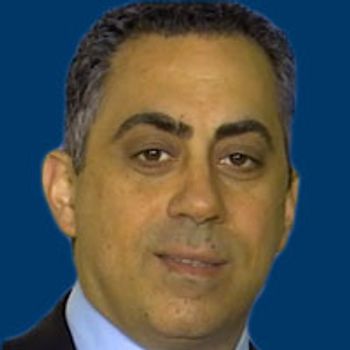
Tanios Bekaii-Saab, MD, discusses the emerging role of immunotherapy in patients with MSI-H colorectal cancer.

Axel Grothey, MD, discusses current first-line treatments for patients with CRC and the importance of developing biomarkers for this population.

Tim G. Larson, MD, discusses emerging data involving immunotherapy for patients with microsatellite instability (MSI)/microsatellite stable (MSS) colorectal cancer (CRC) and highlighted some of the identified molecular mutations in patients with CRC

Tim G. Larson, MD, Minnesota Oncology discusses the development of immunotherapy for patients with colorectal cancer (CRC).

Heinz-Josef Lenz, MD, discusses his study of molecular variations between small bowel adenocarcinomas, right-sided colon cancers, and gastroesophageal cancers.

The FDA approved the first biosimilar for the treatment of cancer. ABP-215 (bevacizumab-awwb; Mvasi), a biosimilar for bevacizumab (Avastin), is indicated for the treatment of colorectal, lung, brain, kidney, and cervical cancers in adult patients.
Advertisement
Advertisement
Trending on OncLive
1
FDA Approves Daraxonrasib for Metastatic Pancreatic Ductal Adenocarcinoma
2
Dr Reiss Binder on the FDA Approval of Daraxonrasib for Metastatic PDAC
3
ASCO Issues Warning Regarding Ifosfamide Shortage for Cancer Care
4
Dr Ayanambakkam on the Safety of Darlifarnib Plus Cabozantinib in RCC KD
5