





Colorectal Cancer
Latest News
Advertisement
Latest Videos




































































Advertisement
More News

Manish A. Shah, MD, director of gastrointestinal oncology, Weill Cornell Medicine/New York-Presbyterian Hospital, discusses indications of early-onset colorectal cancer (CRC).
A dual attack on HER2 expression resulted in a 30% objective response rate in heavily pretreated patients with HER2-positive metastatic colorectal cancer.

Andrew Kennedy, MD, physician-in-chief and radiation oncologist at Sarah Cannon Research Institute, discusses the importance of the SIRFLOX trial, which explored the efficacy of selective internal radiation therapy (SIRT) with SIR-Spheres Y-90 resin microspheres as treatment for patients with liver-metastatic colorectal cancer (CRC) versus standard frontline chemotherapy.
Andrew Kennedy, MD, speaks on the various approaches used in clinical practice to treat patients who have colorectal cancer with liver metastases.
Brian Hemphill, MD, provides insight on some of the challenges currently being faced in gastrointestinal malignancies and how molecular profiles of tumors will dramatically change outcomes for these patients.
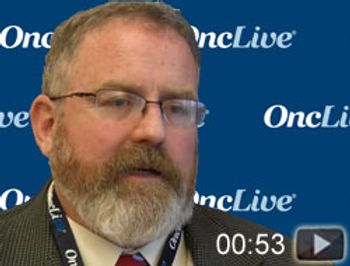
Bert O’Neil, MD, the Joseph W. and Jackie J. Cusick Professor of Oncology, professor of Medicine, and director of the Phase I and Gastrointestinal Oncology Programs at Indiana University, discusses the potential for stemness inhibitors as a treatment for patients with metastatic colorectal cancer (mCRC).
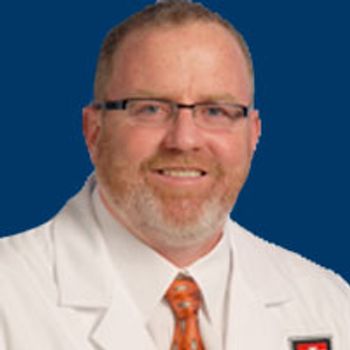
Bert O'Neil, MD, discusses the need for novel treatments for patients with metastatic colorectal cancer as well as why researchers need to develop a deeper understanding of tumor biology.
A supplemental biologics license application for pembrolizumab (Keytruda) for previously treated patients with advanced microsatellite instability-high cancer remains under review by the FDA.
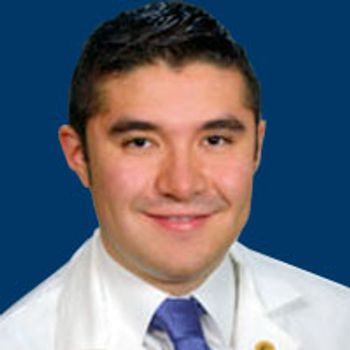
Arturo Loaiza-Bonilla, MD, discusses the potential role of BRAF and CTNNB1 mutations in the survival difference between colorectal cancer patients with left- and right-sided tumors.
Tanios Bekaii-Saab, MD, discusses optimal sequencing with regorafenib (Stivarga) and TAS-102 (Lonsurf) in relapsed patients with metastatic colorectal cancer and combination regimens on the rise in the setting.
Rahmi Oklu, MD, PhD, discusses various approaches physicians use to treat patients who have CRC with liver metastases.
Axel Grothey, MD, discusses frontline therapy and maintenance strategies for patients with metastatic colorectal cancer.
Tanios Bekaii-Saab, MD, professor of Medicine, Mayo Clinic, discusses the expanding treatment landscape of colorectal cancer (CRC).
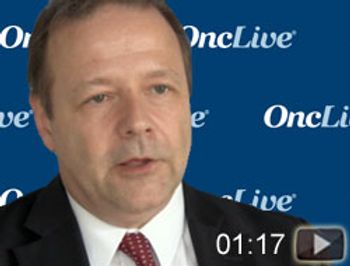
Axel Grothey, MD, medical oncologist, Mayo Clinic, discusses some of the therapeutic approaches in the field of metastatic colorectal cancer (CRC).
Advertisement
Advertisement
Trending on OncLive
1
The OncFive: Top Oncology Articles for the Week of 10/4/2026
2
FDA Approves Atezolizumab Plus Chemo for Stage III dMMR Colon Cancer
3
FDA Grants Breakthrough Device Designation to Natera’s Multi-Cancer Early Detection Assay
4
FDA Flashback: Hematologic Cancer Decisions and News From September 2026
5