
Gastrointestinal Cancer
Latest News
Advertisement
Latest Videos

















































Advertisement
More News
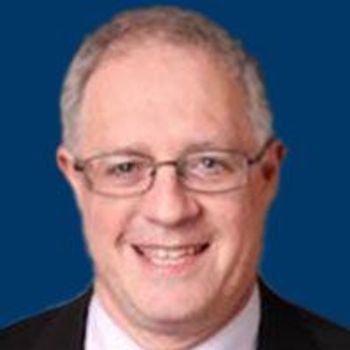
Cathy Eng, MD, FACP, FASCO, and Jordan D. Berlin, MD discuss pressing questions in hepatocellular carcinoma, colorectal cancer, gastric cancer, neuroendocrine tumors, and pancreatic cancer.
Dr. Shitara discusses the significance of the FDA approval of trastuzumab deruxtecan in HER2-positive gastric and GEJ adenocarcinoma and key efficacy and safety data that have been reported with the agent.
GI oncologists react to a prognosis for patients with newly diagnosed advanced cholangiocarcinoma and discuss how they counsel patients on goals of care and treatment expectations.
Best practices for working with other colleagues to ensure adequate tissue collection occurs when conducting a biopsy on a patient suspected of having cholangiocarcinoma, as well as considerations for next-generation sequencing.

Amy Jones, MD, discusses factors that can inform frontline treatment selection in pancreatic cancer.
Yelena Y. Janjigian, MD, discussed the promise of nivolumab plus chemotherapy in patients with PD-L1–positive advanced gastric cancer, GEJ cancer, and esophageal adenocarcinoma, as well as important biomarkers that should be used to guide sequencing decisions.
An in-depth discussion about the role of TACE in combination with systemic therapies for the treatment of HCC.
Amit G. Singal, MD, MS, leads a review of recent data around the outcomes of systemic therapy for patients with BCLC stage B HCC.

Anna T. Levy, DO, discuses future research directions for lenvatinib in patients with hepatocellular carcinoma.
Tony Philip, MD, discusses the efficacy of trifluridine/tipiracil in patients with metastatic colorectal cancer who are ineligible for intensive treatment.
Practical considerations for TACE (transarterial chemoembolization) in unresectable BCLC stage B HCC, including assessing radiologic response and determining when to initiate systemic therapy.
Examining individual patient assessment for using TACE (transarterial chemoembolization) in unresectable BCLC (Barcelona Clinic Liver Cancer) stage B hepatocellular carcinoma and the health care team involved.
Amit G. Singal, MD, MS, discusses the utility of frontline lenvatinib and sorafenib in hepatocellular carcinoma.
Daniel H. Ahn, DO, and Manish A. Shah, MD, discuss the emergence of HER2 as a validated target in GI malignancies, the approval of trastuzumab deruxtecan in gastric/GEJ cancer, and other emerging agents that are poised to propel HER2-targeted therapy in these diseases.
A supplemental new drug application has been submitted to the FDA for ivosidenib tablets as a potential therapeutic option for patients with previously treated, IDH1-mutated cholangiocarcinoma.
Yttrium-90 glass microspheres administered in a personalized, dosimetric approach demonstrated a 16-month improvement in overall survival compared with a standard dosimetric approach in patients with unresectable hepatocellular carcinoma.
Types of assessments that are used to help appropriately work up a patient suspected of having a bile duct cancer.
Factors that may contribute to the rise in the number of cholangiocarcinoma cases being reported, as suggested by GI oncologists.
Tanios S. Bekaii-Saab, MD, FACP, shares his approach for treating patients with HCC across several lines of therapy, as well as factors to consider when making sequencing decisions.
Axel Grothey, MD, discusses the excitement surrounding HER2-directed therapies in gastrointestinal malignancies, the approval of trastuzumab deruxtecan in HER2-positive metastatic gastric/gastroesophageal junction cancer, and the investigational agents patritumab deruxtecan and zanidatamab that are poised to further advance the paradigm.
A panel of experts discuss practical considerations for TACE in patients with unresectable BCLC stage B HCC, as well as define TACE-refractoriness and what to do if a patient fails treatment.
Richard S. Finn, MD, leads a panel of experts in a discussion around key updates from the 2021 ASCO GI virtual meeting, and a review of the rapidly evolving landscape for unresectable advanced hepatocellular carcinoma.
Although a majority of pancreatic cancer cells are highly dependent on endogenous biosynthesis of cholesterol, new research from investigators at Fox Chase Cancer Center has demonstrated that some more aggressive pancreatic cancers are completely independent of this process.
Amit Singal, MD, MS, and Masatoshi Kudo, MD, PhD, discuss the benefit/risk ratio of first-line locoregional therapies in advanced hepatocellular carcinoma.
Amit Singal, MD, MS, reviews challenges in the management of advanced hepatocellular carcinoma (HCC).
Advertisement
Advertisement
Trending on OncLive
1
Epcoritamab Plus R-CHOP Meets PFS End Point in Newly Diagnosed DLBCL
2
‘Our Impact Will Be Broad and Transformative’: Wells Messersmith, MD, Takes the Reins at CU Anschutz Cancer Center
3
FDA Approves Pirtobrutinib for Previously Untreated CLL/SLL
4
Berzosertib Plus Carboplatin Fails to Improve Responses in Pretreated mCRPC
5