




Gastrointestinal Cancer
Latest News
Advertisement
Latest Videos


















































Advertisement
More News

January 16, 2021 - Frontline use of pembrolizumab monotherapy significantly improved progression-free survival, while demonstrating superior safety, compared with chemotherapy in patients with microsatellite-instability high/mismatch repair deficient metastatic colorectal cancer.

Bemarituzumab combined with mFOLFOX6 demonstrated a 56% reduction in the risk of disease progression or death compared with placebo and mFOLFOX6 as a frontline treatment in select patients with FGFR2b-positive advanced gastric or gastroesophageal junction adenocarcinoma.

The combination of the anti-angiogenic multikinase inhibitor lenvatinib plus the anti-PD-1 antibody pembrolizumab demonstrated promising antitumor activity and a manageable safety profile in previously treated patients with advanced gastric cancer, advanced metastatic microsatellite instability-high or mismatch repair colorectal cancer, and advanced biliary tract cancers

Kohei Shitara, MD, discusses the FDA approval of fam-trastuzumab deruxtecan-nxki in HER2-positive metastatic gastric/gastroesophageal junction cancer.
Neoadjuvant chemotherapy regimens were not found to increase the risk for perioperative complications in patients who have potentially resectable advanced thoracic esophageal cancer.

Satya Das, MD, MSCI, discusses the results of a clinical score analysis in patients with neuroendocrine tumors.

John H. Strickler, MD, discusses the rationale for the phase 2/3 MOUNTAINEER-02 trial in HER2-positive gastric/gastroesophageal junction cancer.

January 15, 2021 - Combination treatment with adjuvant S-1 and docetaxel led to an estimated 29% reduction in the risk of relapse compared with S-1 alone in patients with stage III gastric cancer.
January 15, 2021- The FDA has approved fam-trastuzumab deruxtecan-nxki for the treatment of adult patients with locally advanced or metastatic HER2-positive gastric or gastroesophageal junction adenocarcinoma who have received a previous trastuzumab-based regimen.
January 15, 2021 - One-year overall survival was found increased the longer that patients with metastatic pancreatic ductal adenocarcinoma remained on treatment with liposomal irinotecan plus 5-fluorouracil/leucovorin.

January 15, 2021 - Pembrolizumab with trastuzumab and the combination of cisplatin and capecitabine appeared effective in treating HER2-positive advanced gastric and gastroesophageal junction cancer, regardless of a patient’s PD-L1 status.

January 15, 2021 - Patients with esophageal/gastroesophageal cancer treated with nivolumab had improved esophageal-specific and general quality of life, although trends were similar in those treated with placebo.
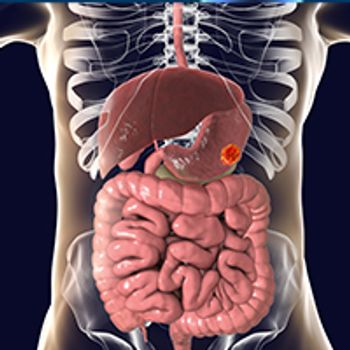
January 15, 2021 - A novel combination comprised of camrelizumab and apatinib was found to have promising clinical efficacy with an acceptable safety profile when used as a second-line treatment in patients with esophageal squamous cell carcinoma.

January 15, 2021 - Pembrolizumab plus lanreotide elicited a stable disease rate of 39% in patients with advanced, progressive gastroenteropancreatic neuroendocrine tumors (GEP-NETs), according to findings from the phase 1b/2 PLANET study.
January 15, 2021 - A novel artificial intelligence-based search tool made it easier for patients to find and understand cancer clinical trials, while also offering more clarity on how to enroll in them

January 15, 2021 - Findings from an analysis determined that stage 4 gastrointestinal stromal tumors were rare and led to hepatic metastases, although overall survival was up to 51% at 5 years.
January 15, 2021 - Pembrolizumab (Keytruda) in combination with capecitabine and bevacizumab (Avastin) was found to show encouraging tolerability when used in patients with microsatellite stable (MSS) metastatic colorectal cancer (mCRC), according to data from a phase 2 trial (NCT03396926) presented during the 2020 Gastrointestinal Cancers Symposium.

Ronan J. Kelly, MD, MBA, discusses the safety profile of adjuvant nivolumab in resected esophageal or gastroesophageal junction cancer.

Weijing Sun, MD, FACP, discusses the design of the KEYNOTE-062 trial in advanced gastric/gastroesophageal junction cancer.

Jordan D. Berlin, MD, discusses unmet needs in pancreatic cancer.

Prakash Pandalai, MD, discusses the role of HIPEC in CRC peritoneal carcinomatosis and data from the PRODIGE 7 and PROPHYLOCHIP-PRODIGE 15 trials.
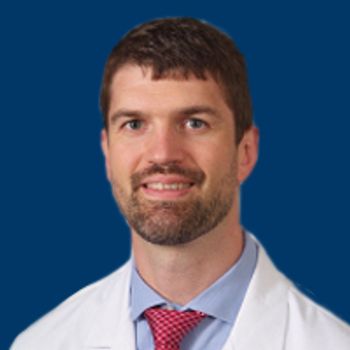
Michael J. Cavnar, MD, highlights the role of surgery in colon cancer, the role of tumor sidedness in informing surgical decisions, and research efforts that are being done to evaluate the utility of hepatic artery infusion pumps.
Advertisement
Advertisement
Trending on OncLive
1
Epcoritamab Plus R-CHOP Meets PFS End Point in Newly Diagnosed DLBCL
2
‘Our Impact Will Be Broad and Transformative’: Wells Messersmith, MD, Takes the Reins at CU Anschutz Cancer Center
3
FDA Approves Pirtobrutinib for Previously Untreated CLL/SLL
4
Berzosertib Plus Carboplatin Fails to Improve Responses in Pretreated mCRPC
5