




Gastrointestinal Cancer
Latest News
Advertisement
Latest Videos





















































Advertisement
More News
November 13, 2020 – The addition of urelumab, an anti-CD137 agonist to the GVAX vaccine and nivolumab led to a 30% pathologic response rate and was associated with mild toxicity as neoadjuvant or adjuvant therapy in patients with resectable pancreatic ductal adenocarcinoma.
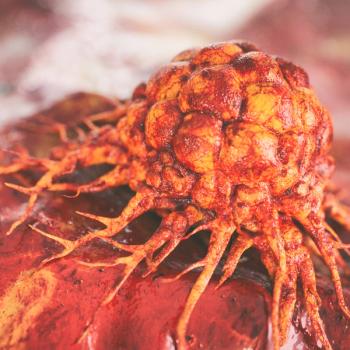
November 13, 2020 - ALX148 showcased favorable safety and elicited objective responses when combined with trastuzumab, pembrolizumab, and multiagent chemotherapy regimens in patients with gastric/gastroesophageal junction cancer and head and neck squamous cell carcinoma.
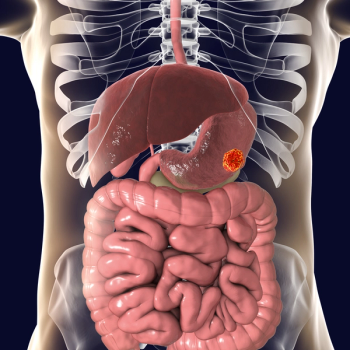
The addition of the first-in-class targeted therapy bemarituzumab to chemotherapy significantly improved progression-free survival and overall survival versus chemotherapy alone in the frontline treatment of patients with FGFRb-positive, locally advanced or metastatic gastric and gastroesophageal junction cancer.

John Zalcberg, PhD, OAM, discusses the role of Gastrointestinal Cancer in advanced gastrointestinal stromal tumor.

Al B. Benson, MD, discusses the complexity of up-front treatment in hepatocellular carcinoma.
Targeted agents have restructured the treatment paradigm for patients with advanced hepatocellular carcinoma. The present challenge is to identify the patients most likely to benefit from frontline treatment regimens.

Weijing Sun, MD, FACP, discusses the use of ramucirumab plus paclitaxel in metastatic gastric cancer.

The European Commission has approved the combination of atezolizumab plus bevacizumab for use in adult patients with advanced or unresectable hepatocellular carcinoma who have not been given previous systemic therapy.

The addition of avasopasem manganese to stereotactic body radiation therapy led to a significant improvement in overall survival and favorable progression-free survival versus SBRT plus placebo in patients with locally advanced pancreatic cancer.

The China National Medical Products Administration has approved the combination of atezolizumab plus bevacizumab for use in patients with unresectable hepatocellular carcinoma who have not received previous systemic therapy.

Edward Wolin, MD, discusses the current treatment landscape of neuroendocrine tumors.

Laura Goff, MD, discusses the need to identify novel targets in hepatocellular carcinoma.

Shubham Pant, MD, discusses the role of genetic testing in pancreatic cancer.

The FDA has accepted and granted a priority review designation to a supplemental biologics license application for the antibody-drug conjugate trastuzumab deruxtecan for use in patients with HER2-positive gastric or gastroesophageal junction adenocarcinoma.

Immunoscore®, a host immune response classification tool, has demonstrated the ability to significantly affect treatment decision-making for patients with stage II colon cancer, particularly among those with high-risk disease.


Advertisement
Advertisement
Trending on OncLive
1
Epcoritamab Plus R-CHOP Meets PFS End Point in Newly Diagnosed DLBCL
2
‘Our Impact Will Be Broad and Transformative’: Wells Messersmith, MD, Takes the Reins at CU Anschutz Cancer Center
3
FDA Approves Pirtobrutinib for Previously Untreated CLL/SLL
4
Berzosertib Plus Carboplatin Fails to Improve Responses in Pretreated mCRPC
5