


Head & Neck Cancers
Latest News
Advertisement
Latest Videos































































Advertisement
More News
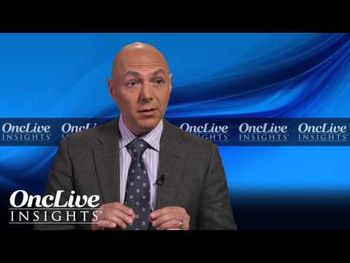
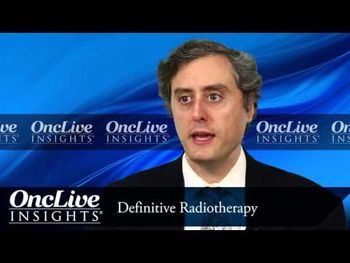


Jonathan D. Schoenfeld, MD, MPH, physician, assistant professor of Radiation Oncology, Harvard Medical School, Dana Farber Cancer Center on the immunologic effects of chemotherapy and radiation in head and neck cancer.
Ezra Cohen, MD, Associate Director, Professor of Medicine Moores Cancer Center, UC San Diego, discusses if lenvatinib should be used in the frontline or second-line setting in differentiated thyroid cancer.
David Adelstein, MD, Department of Hematology and Oncology, Cleveland Clinic, discusses adjuvant therapy options for patients with oral cancer.
Researchers explored the prognostic significance of PET/CT following re-irradiation in patients with head and neck cancer.
Jessica Frakes, MD, assistant professor of Radiation Oncology, Department of Radiation Oncology, Moffitt Cancer Center, discusses management of toxicities associated with treatment of patients with HPV-positive oropharyngeal squamous cell carcinoma.
An early-stage trial is examining the addition of nivolumab to a cetuximab regimen in head and neck squamous cell carcinoma.
The combination of pazopanib (Votrient) and cetuximab (Erbitux) showed a disease control rate of 77% in patients with recurrent or metastatic head and neck squamous cell carcinoma, including patients with cetuximab- or platinum-resistant disease.
Among patients with HPV-negative, locoregionally advanced head and neck squamous cell carcinoma with a poor prognosis, adding cetuximab (Erbitux) to induction chemotherapy and hyperfractionated or accelerated chemoradiation therapy produced long-term control.
James Melotek, MD, Radiation and Cellular Oncology, University of Chicago Medicine, discusses an analysis of a phase II study examining the addition of cetuximab to induction chemotherapy and accelerated or hyperfractionated chemoradiation therapy for locoregionally advanced head and neck cancer.

Barbara Burtness, MD, discusses the potential for immunotherapy agents in head and neck cancer.
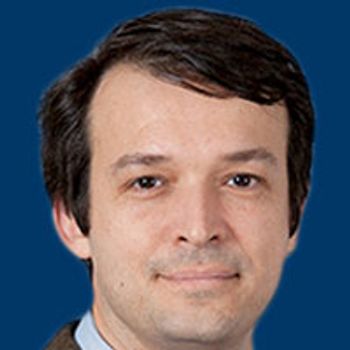
Renato G. Martins, MD, discusses the impact of lenvatinib in patients with differentiated thyroid cancer, how and when it should be used in clinical practice, and the future potential for the agent.

Maria E. Cabinillas, MD, associate professor, Department of Endocrine Neoplasia and Hormonal Disorders, Division of Internal Medicine, The University of Texas MD Anderson Cancer Center, discusses administering lenvatinib (Lenvima) as a first-line therapy for patients with differentiated thyroid cancer (DTC).
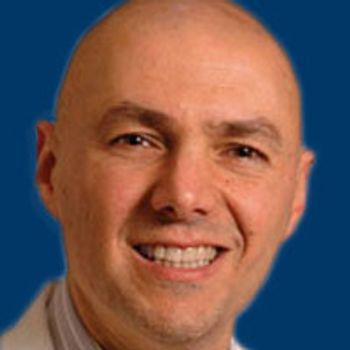
Both progression-free and overall survival with second-line afatinib (Gilotrif) in recurrent or metastatic head and neck squamous cell carcinoma are associated with several biomarkers.
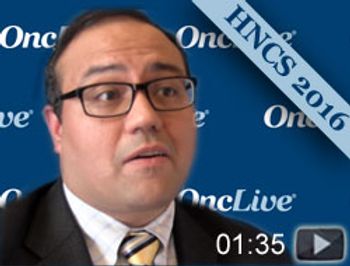
Jose P. Zevallos, MD, MPH, FACS, assistant professor, director of Oncologic Research, University of North Carolina School of Medicine, discusses a study that examined the molecular profile of patients with HPV-positive oropharyngeal squamous cell carcinoma (SCC) stratified by smoking status.
Advertisement
Advertisement
Trending on OncLive
1
FDA Approves Nogapendekin Alfa Inbakicept Plus BCG for High-Grade, Papillary-Only BCG-Unresponsive NMIBC
2
SurVaxM Cancer Vaccine Shows Clinically Meaningful OS Signal in Newly Diagnosed Glioblastoma
3
VS-7375 Elicits Responses in KRAS G12D–Mutated Pancreatic Cancer
4
FDA Receives NDA Resubmission for Rivoceranib Plus Camrelizumab in Frontline Unresectable or Metastatic HCC
5