

Head & Neck Cancers
Latest News
Advertisement
Latest Videos































































Advertisement
More News

Tanguy I. Seiwert, MD, assistant professor of Medicine, University of Chicago Medicine, discusses ongoing clinical trials in the field of head and neck cancer.
Everett Vokes, MD, John E. Ultmann professor of Medicine and Radiation Oncology, physician-in-chief, University of Chicago Medical Center, chair, Department of Medicine, University of Chicago Medicine, discusses different settings of patients with head and neck cancer.
Rozita Yarmand, PhD, assistant professor, Department of Endocrine Neoplasia and Hormonal Disorders-Research, The University of Texas MD Anderson Cancer Center, discusses how ATF4 targets RET for degradation and is a candidate tumor suppressor gene in medullary thyroid cancer.
Jared Weiss, MD, assistant professor, UNC Lineberger Comprehensive Cancer Center, discusses biomarkers in head and neck cancer.
Gregory T. Wolf, MD, discusses a novel approach to treating patients with advanced laryngeal cancer.
Jena D. French, PhD, instructor of Medicine, Division of Endocrinology, Metabolism and Diabetes, University of Colorado Denver, discusses combination regimens exploring immunotherapy and lenvatinib as treatment for patients with thyroid cancer.

Jared Weiss, MD, assistant professor, UNC Lineberger Comprehensive Cancer Center, discusses next steps for immunotherapy agents in the treatment of patients with head and neck cancer.
Jonathan D. Schoenfeld, MD, MPhil, MPH, director, melanoma radiation oncology, physician, assistant professor of radiation oncology, Harvard Medical School, Dana-Farber Cancer Institute, discusses potential combination regimens of low-dose radiation therapy and immunotherapy to treat patients with head and neck cancer.
Lois Ramondetta, MD, discusses the updated recommendations and the importance of advocating for lesser-known HPV-associated cancers.

Tanguy I. Seiwert, MD, assistant professor of Medicine, University of Chicago Medicine, discusses the next steps researchers are taking to improve survival outcomes for patients with head and neck cancer.
Shlomo Koyfman, MD, associate staff, Radiation Oncology, Cleveland Clinic, discusses recent advancements in reirradiation treatment for patients with head and neck cancer.
Everett Vokes, MD, John E. Ultmann Professor of Medicine and Radiation Oncology, physician-in-chief, University of Chicago Medical Center, chair, Department of Medicine, University of Chicago Medicine, discusses recent progress in the treatment landscape of head and neck cancer.
Ramona Dadu, MD, assistant professor, Department of Endocrine Neoplasia and Hormonal Disorders, Division of Internal Medicine, The University of Texas MD Anderson Cancer Center, discusses the use of immunotherapy to treat patients with thyroid cancer.

In the current treatment landscape of HPV-positive oropharyngeal squamous cell carcinoma, there is a significant lack of biomarkers to predict recurrence.
Amid a rising incidence of thyroid cancer, endocrine surgeons have increasingly explored minimally invasive approaches for operating on patients with the disease.
Induction chemotherapy followed by reduced-dose radiation and weekly cetuximab demonstrated improved swallowing and nutritional status as well as an excellent complete clinical response for patients with HPV-associated oropharyngeal squamous cell carcinoma.
Everett Vokes, MD, John E. Ultmann Professor of Medicine and Radiation Oncology, physician-in-chief, University of Chicago Medical Center, chair, Department of Medicine, University of Chicago Medicine, discusses the possibility of moving immunotherapy agents into the frontline setting for patients with head and neck cancer.

In August 2016, the FDA approved pembrolizumab for patients with platinum-refractory squamous cell carcinoma of the head and neck. Not only was it the first immunotherapy approved for head and neck cancer (HNC), but it marked the first new drug approval for HNC in the United States in 20 years.
Everett Vokes, MD, John E. Ultmann Professor of Medicine and Radiation Oncology, physician-in-chief, University of Chicago Medical Center, chair, Department of Medicine, University of Chicago Medicine, discusses how to choose between nivolumab (Opdivo) and pembrolizumab (Keytruda) for second-line treatment for patients with head and neck cancer.

Barbara Burtness, MD, professor of Medicine, Yale Cancer Center, discusses current treatment approaches for patients with human pappillomavirus (HPV)-positive head and neck cancer, as well as potential changes for those regimens.
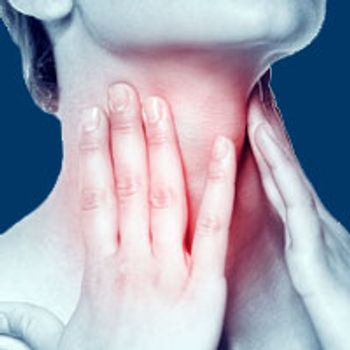
NOTCH1 mutations have been found to define an aggressive subgroup of patients with adenoid cystic carcinomas, with a corresponding pattern of metastatic spread.
Tanguy Y. Seiwert, MD, assistant professor of Medicine, University of Chicago Medicine, discusses the current prognosis for patients with head and neck cancer prior to the FDA approvals of immunotherapy agents nivolumab (Opdivo) and pembrolizumab (Keytruda) as treatments.
Advertisement
Advertisement
Trending on OncLive
1
FDA Approves Nogapendekin Alfa Inbakicept Plus BCG for High-Grade, Papillary-Only BCG-Unresponsive NMIBC
2
SurVaxM Cancer Vaccine Shows Clinically Meaningful OS Signal in Newly Diagnosed Glioblastoma
3
VS-7375 Elicits Responses in KRAS G12D–Mutated Pancreatic Cancer
4
FDA Receives NDA Resubmission for Rivoceranib Plus Camrelizumab in Frontline Unresectable or Metastatic HCC
5