




Head & Neck Cancers
Latest News

Advertisement
Latest Videos




































































Advertisement
More News







Ramona Dadu, MD, assistant professor, Department of Endocrine Neoplasia and Hormonal Disorders, Division of Internal Medicine, The University of Texas MD Anderson Cancer Center, discusses treatment approaches in medullary thyroid cancer.

The addition of chemotherapy, either adjuvant or induction, to concomitant chemoradiotherapy achieved a significantly high survival benefit for patients with locally advanced nasopharyngeal carcinoma.
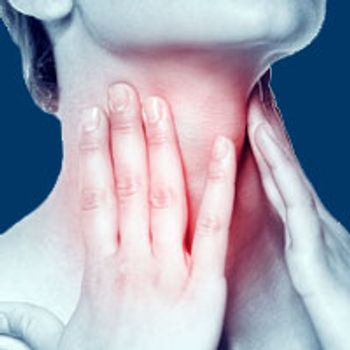
Patients diagnosed with head and neck or lung cancer are especially prone to feelings of distress, especially depression, and researchers in the Netherlands have found that using a gradual or “stepped” approach to providing psychosocial support not only improves their quality of life but is also cost-effective.

Jonas de Souza, MD, assistant professor of Medicine, University of Chicago Medicine, discusses some of the upcoming next steps regarding immunotherapy in head and neck cancer.

Barbara Burtness, MD, professor of Medicine, Yale Cancer Center, discusses the use of immunotherapy in patients with head and neck cancer who have residual disease following treatment with chemotherapy and radiation.

Shlomo Koyfman, MD, associate staff, Radiation Oncology, Cleveland Clinic, discusses risk categories that stratified patients in a study evaluating intensity-modulated radiation therapy and stereotactic body radiation therapy to determine outcomes in the reirradiation setting for recurrent head and neck cancer.
Everett Vokes, MD, John E. Ultmann Professor of Medicine and Radiation Oncology, physician-in-chief, University of Chicago Medical Center, chair, Department of Medicine, University of Chicago Medicine, discusses curative treatment approaches for patients with head and neck cancer.
Everett Vokes, MD, John E. Ultmann Professor of Medicine and Radiation Oncology, physician-in-chief, University of Chicago Medical Center, chair, Department of Medicine, University of Chicago Medicine, discusses the treatment landscape of recurrent head and neck cancer.
Shlomo Koyfman, MD, associate staff, radiation oncology, Cleveland Clinic, discusses radiation therapy in recurrent head and neck cancer.

As immunotherapy continues to make headway in several different cancer types, these agents are only just arriving to the treatment landscape of head and neck cancer.
The combination of lirilumab and nivolumab resulted in an objective response rate of 24.1% in patients with squamous cell carcinoma of the head and neck.
Everett Vokes, MD, John E. Ultmann Professor of Medicine and Radiation Oncology, physician-in-chief, University of Chicago Medical Center, chair, Department of Medicine, University of Chicago Medicine, discusses the FDA approvals of the PD-L1 inhibitors nivolumab (Opdivo) and pembrolizumab (Keytruda) for the treatment of patients with head and neck cancer.

The FDA has approved nivolumab for patients with metastatic or recurrent squamous cell carcinoma of the head and neck following progression on platinum-based therapy.
Robert Ferris, MD, PhD, vice chair for Clinical Operations, associate director for Translational Research, and coleader of the Cancer Immunology Program at the University of Pittsburgh Cancer Institute, discusses the impact of the FDA approval of nivolumab (Opdivo) for the treatment of patients with recurrent or metastatic head and neck squamous cell carcinoma (SCCN).

Advertisement
Advertisement
Trending on OncLive
1
FDA Approves Nogapendekin Alfa Inbakicept Plus BCG for High-Grade, Papillary-Only BCG-Unresponsive NMIBC
2
SurVaxM Cancer Vaccine Shows Clinically Meaningful OS Signal in Newly Diagnosed Glioblastoma
3
VS-7375 Elicits Responses in KRAS G12D–Mutated Pancreatic Cancer
4
FDA Receives NDA Resubmission for Rivoceranib Plus Camrelizumab in Frontline Unresectable or Metastatic HCC
5