


Immuno-Oncology
Latest News

Advertisement
Latest Videos































































Advertisement
More News

The combination of ipilimumab and nivolumab has received a positive recommendation from the CHMP, which suggests that the treatment is likely to gain European approval for patients with advanced melanoma.
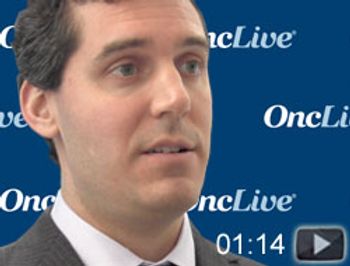
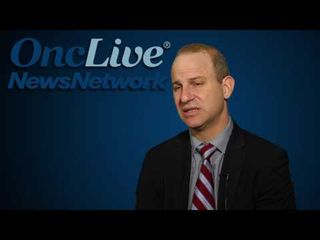
Michael Postow, MD, medical oncologist, Memorial Sloan Kettering Cancer Center, discusses the combination of nivolumab (Opdivo) and ipilimumab (Yervoy) for the treatment of patients with melanoma.

The European Medicines Agency validated an application for use of nivolumab (Opdivo) for previously treated patients with classical Hodgkin lymphoma), which officially begins the centralized review process for final approval of the drug in the European Union.

After nearly 30 years of research, tumor-infiltrating lymphocyte technology is being investigated as a means of producing personalized immunotherapy for patients with metastatic melanoma in a small clinical trial that may help open the door for broader application in other solid tumor types.
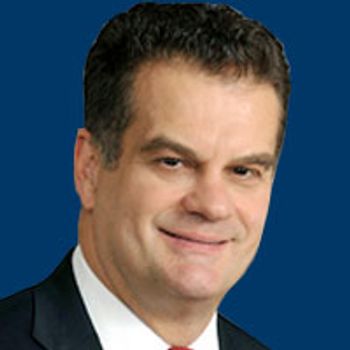
H. Thomas Temple, MD, explains where he sees the future of sarcoma going and what diagnostic technologies and therapeutic advancements he is most excited about.

Emerging agents targeting the PD1/PD-L1 pathway and the process of angiogenesis are shaping up to be promising options to break a 30-year drought in new therapies for patients with progressive metastatic urothelial bladder cancer.








Tanguy Seiwert, MD, discusses the impact of the CheckMate-141 trial in head and neck cancer, the importance of establishing an effective biomarker, and the significance a manageable toxicity profile may have on patients with poor performance status.

Daniel P. Petrylak, MD, professor of Medicine (Medical Oncology) and Urology, co-director, Signal Transduction Research Program, Yale Cancer Center, discusses immunotherapy agents for the treatment of patients with bladder cancer.

Mario Sznol, MD, discusses the current state of immunotherapy in renal cell carcinoma, emerging agents and combinations in the field, and the challenges that arise with finding biomarkers.


Advertisement
Advertisement
Trending on OncLive
1
FDA Approves Tucatinib Plus Trastuzumab/Pertuzumab as First-Line Maintenance in Advanced HER2+ Breast Cancer
2
Iberdomide Plus Daratumumab/Dexamethasone Yields Significant PFS Benefit in R/R Myeloma
3
FDA Approves Atezolizumab Plus Chemo for Stage III dMMR Colon Cancer
4
VIR-5500 Receives FDA Fast Track Designation in mCRPC
5