

Immuno-Oncology
Latest News
Advertisement
Latest Videos






























































Advertisement
More News

An ongoing clinical trial has begun the process of evaluating whether the addition of a booster agent can take the anticancer activity of PD-1 directed immunotherapy to another level.
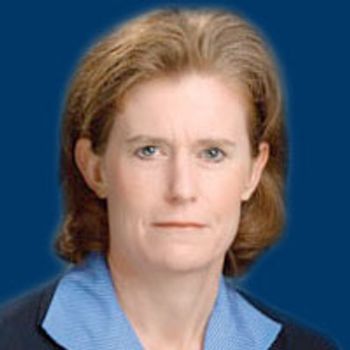
Elizabeth Mittendorf, MD, PhD, discusses checkpoint inhibition studies in triple-negative breast cancer, potential ways to make other subtypes more immunogenic to improve response, the role of PD-1, and what’s next in the field of immunotherapy in breast cancer.

Chimeric antigen receptor-modified T-cell therapies have demonstrated durable complete responses for patients with relapsed/refractory B-cell acute lymphoblastic leukemia; however, several questions remain regarding their optimal use and applicability outside of this disease.

Immuno-oncology has advanced rapidly, with the introduction of immune checkpoint inhibition and effective adoptive T-cell therapies. As these agents rush through development, several questions remain regarding the optimal patients for treatment and the next steps for further improving outcomes.
Katherine Krajewski, MD, associate director, physician, Cancer Imaging Program Fellowship, Dana-Farber Cancer Institute, assistant professor of Radiology, Harvard Medical School, discusses the range of responses seen in patients with renal cell carcinoma (RCC) who have received PD-1 agents as treatment.
Scott J. Antonia, MD, discusses how the combination of the PD-L1 inhibitor durvalumab and the CTLA-4 inhibitor tremelimumab, showed antitumor activity in patients with locally advanced or metastatic non–small cell lung cancer, irrespective of PD-L1 status.
Chandra P. Belani, MD, deputy director, Penn State Hershey Cancer Institute, Miriam Beckner Distinguished Professor of Medicine, Penn State Hershey College of Medicine, discusses atezolizumab in non-small cell lung cancer (NSCLC).
The bounty of choices is good news for patients with melanoma, several key questions have emerged: Should immunotherapy or targeted agents be the first-line choice for metastatic melanoma?

The FDA has granted a priority review to atezolizumab as a treatment for patients with locally advanced or metastatic urothelial carcinoma who progressed during or after platinum-based chemotherapy in the metastatic setting, or whose disease worsened within 12 months of receiving platinum-based chemotherapy before or after surgery.
Matthew Galsky, MD, explains the challenges of utilizing molecular subtyping and PD-L1 as biomarkers, the impact a potential approval of atezolizumab could have in metastatic bladder cancer, possible combinations that could increase ORR, and next steps in understanding the IMvigor study.
James L. Gulley, MD, PhD, Chief, Genitourinary Malignancies Branch, Senior Investigator, Head, Immunotherapy Section, Director, Medical Oncology Service, CCR Office of the Clinical Director, National Cancer Institute, discusses checkpoint inhibitors in bladder cancer.
Jorge Garcia, MD, discusses CheckMate-025, the challenges with PD-1 as a biomarker, additional potential biomarkers, and why combination immunotherapy in renal cell carcinoma is still a work in progress.
Benjamin Levy, MD, discusses how nivolumab and pembrolizumab have impacted the treatment landscape of NSCLC, how to choose between the two for patients, and what biomarkers are in development for PD-1/PD-L1 agents.

The FDA has accepted a supplemental new drug application for pembrolizumab as a treatment for patients with advanced non–small cell lung cancer with PD-L1 expression on ≥1% of tumors cells.
Michael Postow, MD, discusses the benefits and challenges of combination regimens versus single-agent regimens, the possibility of targeted agents with immunotherapies, and the management of toxicities with immunotherapies.
Michael Atkins, MD, discusses his views on the potential of immunotherapy versus targeted therapy in melanoma, what research has shown so far, and what could be on horizon for both classes of drugs going forward.
Chandra P. Belani, MD, Miriam Beckner Distinguished Professor of Medicine, Penn State Milton S. Hershey Medical Center, deputy director, Penn State Hershey Cancer Institute, discusses how the FDA approval of nivolumab (Opdivo) has impacted the treatment paradigm of non–small cell lung cancer (NSCLC).
Tara C. Mitchell, MD, assistant professor of Medicine at the Hospital of the University of Pennsylvania, Perelman School of Medicine, discusses atypical responses with immunotherapies in melanoma.
Randal S. Weber, MD, FACS, professor, department chair, John Brooks Williams and Elizabeth Williams Distinguished University Chair in Cancer Medicine, Department of Head and Neck Surgery, Division of Surgery, The University of Texas MD Anderson Cancer Center, discusses future treatment approaches for patients with melanoma.
Jeffrey S. Weber, MD, PhD, discusses recent long-term follow-up data of dabrafenib and trametinib in melanoma that may shed some light on sequencing questions for BRAF-mutated patients.
Advertisement
Advertisement
Trending on OncLive
1
FDA Approves Tucatinib Plus Trastuzumab/Pertuzumab as First-Line Maintenance in Advanced HER2+ Breast Cancer
2
Iberdomide Plus Daratumumab/Dexamethasone Yields Significant PFS Benefit in R/R Myeloma
3
FDA Approves Atezolizumab Plus Chemo for Stage III dMMR Colon Cancer
4
VIR-5500 Receives FDA Fast Track Designation in mCRPC
5