

Lung Cancer
Latest News
Advertisement
Latest Videos































































Advertisement
More News
The FDA has approved the NovoTTF-100L System in combination with pemetrexed and platinum-based chemotherapy for the frontline treatment of patients with unresectable, locally advanced or metastatic malignant pleural mesothelioma.
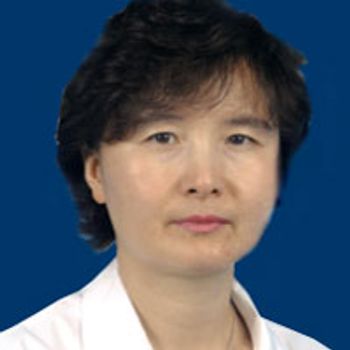
Myung-Ju Ahn, MD, discusses the results from the AURA LM trial and the next steps that need to be taken in order to confirm the efficacy that was seen with the lower dose of osimertinib in patients with EGFR-mutant non–small cell lung cancer with leptomeningeal metastases.
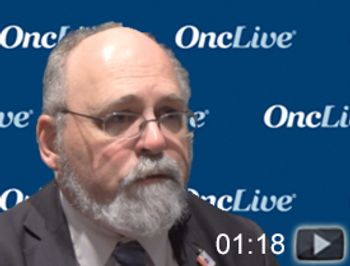
Corey J. Langer, MD, director, Thoracic Oncology, Abramson Cancer Center, professor of medicine, Perelman School of Medicine, University of Pennsylvania, discusses the use of next-generation sequencing in non–small cell lung cancer.
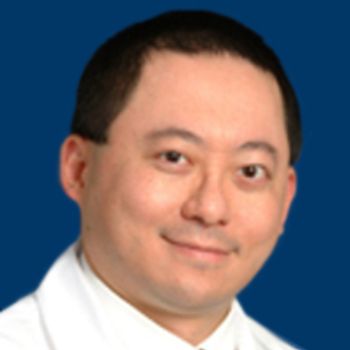
Sai-Hong I. Ou, MD, PhD, discusses the status of different mutations in lung cancer and the work being done to bring clinically meaningful treatments to the space.
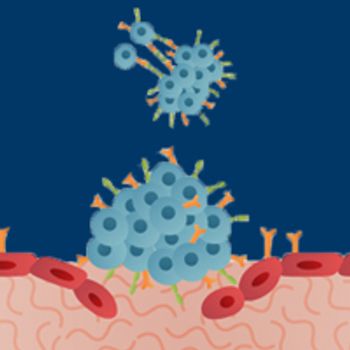
Mesothelin, a protein found on cell surfaces and in serum, has emerged as a promising target for immunotherapy-based treatment approaches for several malignancies with poor prognoses and limited treatment options. Investigating novel approaches to optimize delivery and identifying combinations of agents to synergistically improve therapeutic response will be the next steps in bringing mesothelin-targeted therapies into the clinical setting.
Sai-Hong I. Ou, MD, highlights the conveniences of liquid biopsies relative to tissue biopsies, as well as current drawbacks to their use in detecting targetable alterations in lung cancer.
Benjamin P. Levy, MD, assistant professor of oncology, clinical director of Medical Oncology, Sidney Kimmel Cancer Center and Johns Hopkins Medicine, discusses the benefits of liquid biopsies in non–small cell lung cancer.

Two in 3 patients treated with PD-1 or PD-L1 inhibitors experienced at least 1 AE and 1 in 7 patients experienced at least 1 grade ≥3 AE, according to a systematic review and meta-analysis of clinical trials and study updates published through December 15, 2018.
Bing Xia, MD, assistant professor of clinical medicine, Keck School of Medicine, University of Southern California, discusses the frontline treatment landscape of ALK-positive non–small cell lung cancer (NSCLC).

Lyudmila A. Bazhenova, MD, discusses the phase III PACIFIC trial and clinical scenarios that warrant further investigation in the field of stage III non–small cell lung cancer.

Bing Xia, MD, discusses the latest immunotherapy developments in nonsquamous non–small cell lung cancer, as well as sequencing strategies for patients with ALK-positive disease.

Nicolas Girad, MD, discusses the importance of evaluating durvalumab in a real-world setting, other questions that remain unanswered in this area, and the role of immunotherapy in patients with non–small cell lung cancer.
Antonio Passaro, MD, PhD, discusses findings from a phase IIIb trial for patients with EGFR mutation-positive non–small cell lung cancer and discussed results from other studies investigating ALK and KRAS mutations in patients with NSCLC.
Eric S. Nadler, MD, medical oncologist, Baylor University Medical Center, medical director, US Oncology Health Informatics and Internet Technology, discusses the impact of immunotherapy in squamous non–small cell lung cancer.
Although study findings have identified tumor mutational burden as an important factor in responses to cancer therapy, establishing a definition for expression of this biomarker and harmonizing assays to measure it have proved challenging.
Viola W. Zhu, MD, PhD, explains how the use of immunotherapy has improved survival for patients with advanced squamous cell non–small cell lung cancer.
Giuseppe L. Banna, MD, consultant, Medical Oncology, Cannizzaro Hospital, discusses the potential for CAR T-cell therapy in the treatment of patients with lung cancer.
Lyudmila A. Bazhenova, MD, sheds light on initial treatment approaches for patients with EGFR-mutant NSCLC and adapted therapeutic strategies at the time of progression.
Corey J. Langer, MD, director, Thoracic Oncology, Abramson Cancer Center, professor of medicine, Perelman School of Medicine, University of Pennsylvania, discusses the impact of targeted therapy in non–small cell lung cancer.
A 2018 Giants of Cancer Care award winner for Lung Cancer, Bruce E. Johnson, MD, has helped define the genomic era in lung cancer care. His notable contributions include characterizing the role that EGFR mutations play in non–small cell lung cancer.
David P. Mason, MD, chief of thoracic surgery and lung transplantation, Baylor Scott & White Health, chief of lung transplantation, head of the Department of Thoracic Surgery, Baylor University Medical Center, discusses the progress that has been made in resectable stage III lung cancer.
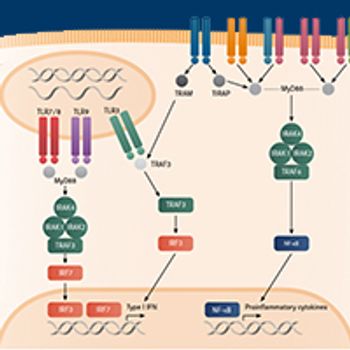
Toll-like receptors, a group of proteins that are components of innate immunity, are emerging as promising targets in a new wave of immunotherapies under development.
Ronan J. Kelly, MD, MBA, chief of oncology for the 10 Baylor Scott & White Health's North Texas Cancer Centers and director of oncology on the campus of Baylor Charles A. Sammons Cancer Center at Baylor University Medical Center, discusses the outlook of patients with ALK-positive non–small cell lung cancer (NSCLC).

Massimo Di Maio, PhD, medical oncologist, Mauriziano Hospital, professor of medical oncology, University of Turin, discusses the importance of quality of life (QoL) endpoints in clinical trials.
You-cai Zhu, MD, PhD, Department of Thoracic Disease Diagnosis and Treatment Center, Zhejiang Rongjun Hospital, discusses primary resistance to osimertinib (Tagrisso) in EGFR-mutant non–small cell lung cancer (NSCLC).
Advertisement
Advertisement
Trending on OncLive
1
FDA Approves Tucatinib Plus Trastuzumab/Pertuzumab as First-Line Maintenance in Advanced HER2+ Breast Cancer
2
GI Cancer Monthly Rewind: Key News and Expert Insights You May Have Missed in September 2026
3
FDA Grants Breakthrough Device Designation to Natera’s Multi-Cancer Early Detection Assay
4
Five Under 5: Top Oncology Videos for the Week of 10/5/2026
5