


Lung Cancer
Latest News
Advertisement
Latest Videos






























































Advertisement
More News
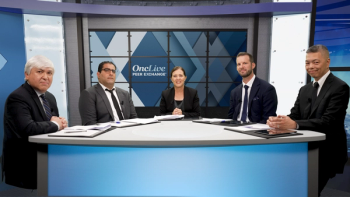
Drs Bill W. Loo and Joshua Sabari discusses whether there is a role for any adjuvant therapies in NSCLC treatment, and which patients might benefit.
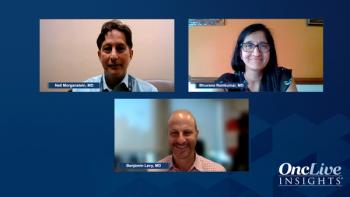
Bhuvana Ramkumar, MD, highlights the strengths of liquid biopsy for molecular testing in NSCLC.
Julien Maziéres, MD, PhD, discusses the evaluation of tepotinib plus osimertinib in EGFR-mutated non–small cell lung cancer.
Experts discuss the types of genotype panels they often use for testing patients with NSCLC, and why.
Sintilimab plus pemetrexed and cisplatin significantly improved progression-free survival vs pemetrexed and cisplatin alone in patients with advanced, EGFR-mutant non–small cell lung cancer who progressed on prior EGFR TKI therapy.

Nicholas Stollenwerk, MD, discusses the real-world effects of robotic-assisted bronchoscopy on diagnosis and treatment for patients with lung cancer.
The China National Medical Products Administration has granted a breakthrough therapy designation to ivonescimab for use in combination with chemotherapy in patients with EGFR-mutated advanced non–small cell lung cancer in whom prior treatment with an EGFR TKI has failed.
Evan J. Lipson, MD, discusses the effect of preoperative nivolumab plus relatlimab in resectable non-small cell lung cancer (NSCLC).
Marina Chiara Garassino, MD, discusses updates from the phase 3 KEYNOTE-189 trial in non–small cell lung cancer.
Ross Camidge, MD, PhD, discusses toxicities observed with sunvozertinib in EGFR exon 20–mutated non–small cell lung cancer.
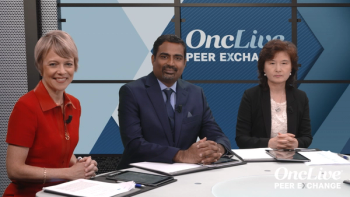
Drs Peters and Johnson discuss recent updates in the treatment of advanced NSCLC with single- and dual-agent immunotherapy regimens.
Dr Melissa Johnson and Dr Myung-Ju Ahn emphasize the importance of a multidisciplinary approach to treatment and biomarker testing for patients with early-stage NSCLC.
Joshua Sabari, MD, describes which stage groups of patients with NSCLC should receive neoadjuvant therapies, and which therapies are typically used.
Drs Wakelee, Sabari, and Wistuba review updated data on neoadjuvant treatment in NSCLC from key studies including CheckMate-816 and NADIM-2.
Dr Neil Morganstein explains the typical turnaround times for molecular testing he sees and the challenges that prolong the process.
Dr Bhuvana Ramkumar shares best practices for molecular testing in NSCLC to obtain the most accurate results.
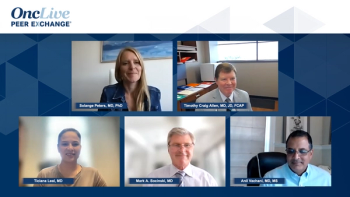
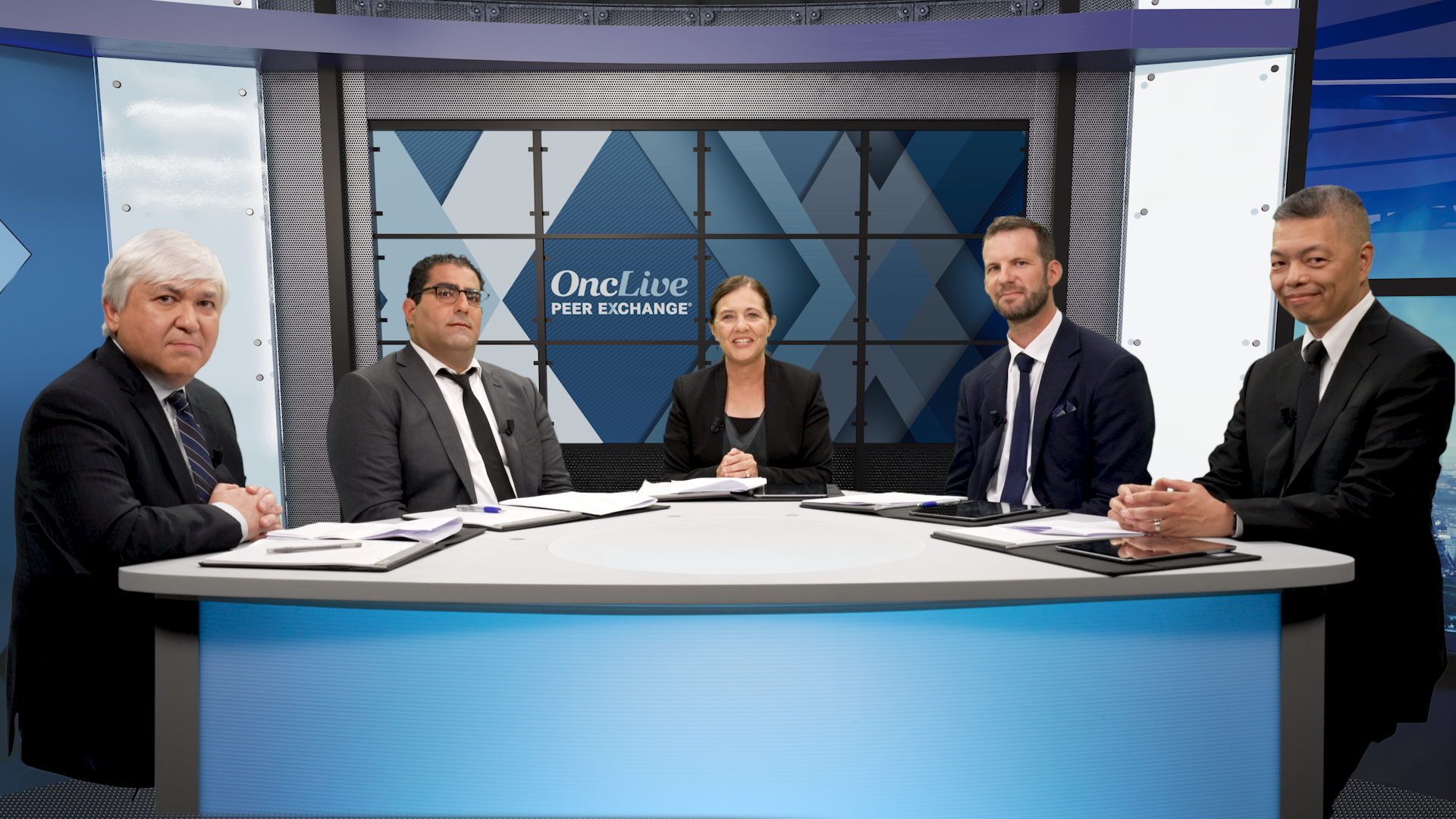
Closing out their discussion, the panel highlights investigational therapies in NSCLC to look out for.
The panel discusses the challenges of treatment and unmet needs of HER2-mutated or amplified NSCLC.
Drs Ramkumar and Morganstein discuss the challenges they face with integrating and organizing molecular testing results into electronic medical records, how they address non–small cell lung cancer test results with patients, and their hopes for the future of pathology at their institutions.

Drs Anil Vachani and Mark Socinski continue their discussion of anti-HER2 therapies by mentioning some of the unmet needs in NSCLC treatment despite the range of available treatment options.
Wade T. Iams, MD, discusses the potential for providing small cell lung cancer subtyping in clinical practice.
Vamsidhar Velcheti, MD, summarizes recent data on adjuvant immunotherapy treatment in resectable NSCLC.
Dr Myung-Ju Ahn describes the unique design and outcomes of the NEOCoast study that is evaluating immunotherapy regimens in the neoadjuvant and adjuvant settings.
The panel reviews updates in the treatment of stage I-IIIA NSCLC and discusses its impact in clinical practice.
Ignacio Wistuba, MD, leads the discussion on the role of liquid biopsies for molecular testing in early NSCLC.
Advertisement
Advertisement
Trending on OncLive
1
FDA Approves Tucatinib Plus Trastuzumab/Pertuzumab as First-Line Maintenance in Advanced HER2+ Breast Cancer
2
GI Cancer Monthly Rewind: Key News and Expert Insights You May Have Missed in September 2026
3
FDA Grants Breakthrough Device Designation to Natera’s Multi-Cancer Early Detection Assay
4
Five Under 5: Top Oncology Videos for the Week of 10/5/2026
5