





Multiple Myeloma
Latest News
Advertisement
Latest Videos






CME Content










































Advertisement
More News
David Samuel Dicapua Siegel, MD, discusses a trial of carfilzomib, iberdomide, and dexamethasone in newly diagnosed, transplant-eligible multiple myeloma.

Teclistamab produced responses in real-world patients with relapsed and refractory multiple myeloma and prior exposure to BCMA-targeted therapy.

Ricardo D. Parrondo, MD, discusses the exploration of the non-BCMA CAR T-cell target GPRC5D in multiple myeloma.

Belantamab mafodotin plus bortezomib and dexamethasone improved PFS vs daratumumab plus bortezomib and dexamethasone in relapsed/refractory myeloma.
Joseph Mikhael, MD, discusses the importance of researching disparities in treatment outcomes for patients with multiple myeloma.

Multiple myeloma specialists compare step-up dosing practices and provide clinical insights on treating patients with multiple myeloma.
Experts on multiple myeloma discuss how real-world evidence informs treatment selection for patients receiving bispecific antibodies.

Joseph Mikhael, MD, discusses the importance of closing gaps in care for patients with multiple myeloma in underserved populations.

Linvoseltamab Continues to Elicit Durable Efficacy in High-Risk Relapsed/Refractory Multiple Myeloma
Hans Lee, MD, discusses updated data from the LINKER-MM1 study in heavily pretreated relapsed/refractory multiple myeloma.
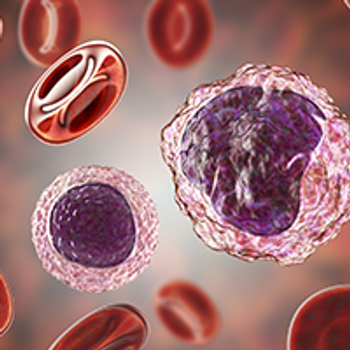
The EMA has accepted for review an MAA seeking the approval of linvoseltamab for use in select patients with relapsed/refractory multiple myeloma.

Sagar Lonial, MD, FACP, details how CAR T-cell therapies and off-the-shelf treatments are improving outcomes for patients with multiple myeloma.

Hamza Hashmi, MD, discusses a real-world study of the efficacy and safety of teclistamab in patients with relapsed/refractory multiple myeloma.

A sBLA seeking the approval of D-VRd for transplant-eligible patients with newly diagnosed multiple myeloma was submitted to the FDA.

David Samuel Dicapua Siegel, MD, discusses the potential use of carfilzomib, iberdomide, and dexamethasone in newly diagnosed multiple myeloma.
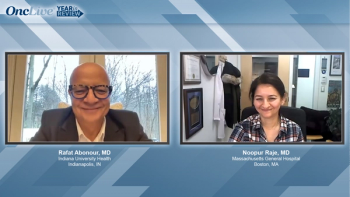
Dr. Raje and Dr. Abonour provide an insightful reflections on unmet needs and future perspectives in Relapsed/Refractory Multiple Myeloma (R/R MM), offering a glimpse into the evolving landscape of myeloma care.
Experts delve into the optimal positioning of BCMA-targeted CAR-T therapies in the treatment plan for Relapsed/Refractory Multiple Myeloma (R/R MM), providing valuable perspectives on strategic considerations in myeloma care.
An expert panel reviews recent updates on BCMA-targeting bispecific antibodies in multiple myeloma.
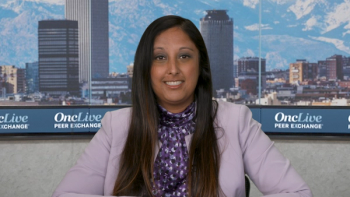
Krina Patel, MD, reviews data from the CARTITUDE-4 and KarMMa-3 studies and shares perspectives on a potential role for CAR T-cell therapy at early relapse.
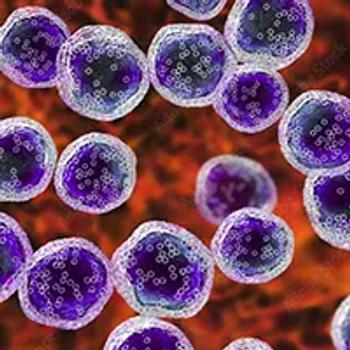
The EMA's CHMP has recommended the approval of idecabtagene vicleucel in patients with multiple myeloma who received at least 2 prior therapies.

Francesco Di Meo, PhD, discusses the potential efficacy of CAR T-cells targeting the immunoreceptor LILRB4 in multiple myeloma.

David Samuel Dicapua Siegel, MD, emphasizes the importance of real-world evidence when treating patients with relapsed/refractory multiple myeloma.
Dr. Abonour and Dr. Raje provide an overview of the results that were presented at ASH 2023 of the CIBMTR registry and CARTITUDE-2 trial which was the study of ciltacabtagene autoleucel (cilta-cel) in patients with MM and 1-3 prior lines of therapy (Cohort A) and with early relapse after first line treatment (cohort B).
Experts discuss the recent data presented at ASH 2023 from the KarMMA-3 trial in which ide-cel vs standard of care was studied in triple class exposed R/R MM patients.

Danai Dima, MD, discusses the implications of real-world data derived from the MajesTEC-1 trial in pretreated patients with multiple myeloma.
A panel of expert hematologic-oncologists offer insights on how they treat patients with multiple myeloma at early relapse.
Advertisement
Advertisement
Trending on OncLive
1
Five Under 5: Top Oncology Videos for the Week of 8/31/26
2
FDA Approves Camizestrant Plus a CDK4/6 Inhibitor for Emergent ESR1-Mutated HR+, HER2– Advanced Breast Cancer
3
B7-H4–Targeted ADCs Signal a New Frontier for Platinum-Resistant Ovarian and Endometrial Cancer
4
Ivonescimab Meets OS End Point vs Pembrolizumab in First-Line PD-L1+ NSCLC
5