


Non-Hodgkin Lymphoma
Latest News


Tisagenlecleucel Shows Promise in Relapsed/Refractory Aggressive B-Cell NHL and Comorbidities in Real-World Setting
By Ryan Scott
Advertisement
Latest Videos
















































Advertisement
More News
Jeremy Abramson, MD, discusses the efficacy data of second-line lisocabtagene maraleucel vs standard-of-care salvage chemotherapy followed by autologous stem cell transplant from the phase 3 TRANSFORM trial done in patients with relapsed/refractory large B-cell lymphoma.

Second-line treatment with lisocabtagene maraleucel (liso-cel; Breyanzi) reduced the risk of an event occurring by 64.4% compared with standard-of-care chemoimmunotherapy induction and autologous stem cell transplantation for patients with high-risk relapsed/refractory large B-cell lymphoma.

The CD19-targeted CAR T-cell therapy rapcabtagene autoleucel was found to be well tolerated and to yield durable responses in patients with relapsed/refractory diffuse large B-cell lymphoma who had undergone 2 or more prior lines of therapy.
Mazyar Shadman, MD, MPH, discusses the examination of zanubrutinib in patients with B-cell malignancies who were intolerant to acalabrutinib.

The combination of rituximab and lenalidomide maintained improved progression-free survival compared with rituximab alone in patients with relapsed/refractory indolent non-Hodgkin lymphoma, according to 5-year findings from the phase 3 AUGMENT trial.

Jason Romancik, MD, discusses efforts to maximize the efficacy of CAR T-cell therapy in non-Hodgkin lymphoma.
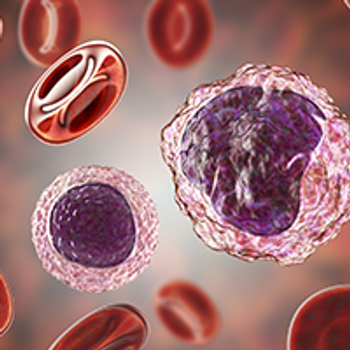
The development of zandelisib for the treatment of B-cell malignancies has been discontinued outside of Japan.

The FDA has granted CB-010 a regenerative medicine advanced therapy designation for relapsed/refractory large B-cell lymphoma and a fast track designation for relapsed/refractory B-cell non-Hodgkin lymphoma.

The oral PI3Kδ inhibitor zandelisib produced an overall response rate in Japanese patients with relapsed/refractory indolent B-cell non-Hodgkin lymphoma without small lymphocytic lymphoma, lymphoplasmacytic lymphoma, and Waldenström macroglobulinemia.

The FDA has accepted and granted priority review to a biologics license application seeking the apporoval of epcoritamab in patients with relapsed or refractory large B-cell lymphoma after 2 or more lines of systemic therapy.

Jason Romancik, MD, discusses the benefit of axicabtagene ciloleucel vs standard of care as a second-line treatment for patients with relapsed/refractory diffuse large B-cell lymphoma.

Jason Romancik, MD, discusses the design and key results from the phase 2 PILOT study.
The FDA has granted a fast track designation to MT-101 for use as a potential therapeutic option in patients with relapsed or refractory, CD5-positive peripheral T-cell lymphoma.

A biologics license application has been submitted to the FDA seeking the approval of subcutaneous epcoritamab for the treatment of patients with relapsed/refractory large B-cell lymphoma or diffuse large B-cell lymphoma after 2 or more lines of systemic therapy.
Farrukh Awan, MD, discusses transplant and chemotherapy options in frontline diffuse large B-cell lymphoma, the emergence of CAR T-cell therapy in relapsed diffuse large B-cell lymphoma, and available targeted therapies in acute myeloid leukemia.

The European Commission has approved axicabtagene ciloleucel for the treatment of adult patients with diffuse large B-cell lymphoma or high-grade B-cell lymphoma who relapse within 12 months from completion of, or are refractory to, first-line chemoimmunotherapy.

Praveen Ramakrishnan, MD, MS, discusses the evolution of diffuse large B-cell lymphoma treatment, the implications of key phase 3 studies, and how emerging bispecific T-cell engagers and antibody-drug conjugates may increase treatment accessibility beyond the limitations of CAR T-cell therapy for patients at various disease stages.
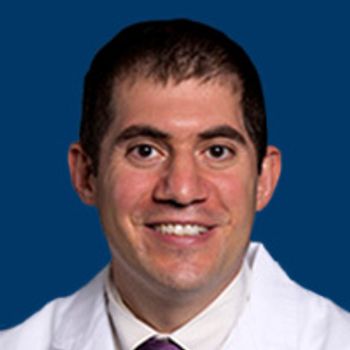
Jonathon B. Cohen MD, MS, discusses the management of chronic lymphocytic leukemia with BTK inhibitors, updates in the treatment of acute myeloid leukemia, and how CAR T-cell therapy could improve patient outcomes in diffuse large B-cell lymphoma and mantle cell lymphoma.

Loncastuximab tesirine-lpyl combined with rituximab demonstrated encouraging antitumor activity and a feasible safety profile in patients with relapsed/refractory diffuse large B-cell lymphoma.

Stephen M. Ansell, MD, PhD, discusses the investigation of loncastuximab tesirine in the phase 2 LOTIS-2 trial in relapsed/refractory diffuse large B-cell lymphoma.
Victor M. Orellana-Noia, MD, discusses the treatment of high-risk and vulnerable patients with diffuse large B-cell lymphoma.
Victor M. Orellana-Noia, MD, discusses the patient population of the phase 3 POLARIX trial in diffuse large B-cell lymphoma.

In an 8 to 4 vote, the FDA’s Oncologic Drugs Advisory Committee voted that the final overall survival data submitted did not demonstrate a strong enough benefit-risk ratio for duvelisib for the treatment of adult patients with relapsed or refractory chronic lymphocytic leukemia or small lymphocytic lymphoma after at least 2 prior therapies.

Matthew J. Matasar, MD, discusses the unmet needs remaining in diffuse large B-cell lymphoma.

The European Medicines Agency’s Committee for Medicinal Products for Human Use has recommended the approval of zanubrutinib for use in adult patients with marginal zone lymphoma who have received at least 1 prior anti–CD20-based therapy.
Advertisement
Advertisement
Trending on OncLive
1
Ifinatamab Deruxtecan BLA Voluntarily Withdrawn in Previously Treated Extensive-Stage SCLC
2
Tegavivint Plus Osimertinib Shows Early Activity in First-Line EGFR-Mutated NSCLC
3
Etentamig Improves Response and PFS vs Standard Therapies in Triple-Class Exposed Relapsed/Refractory Myeloma
4
FDA Grants Priority Review to Perioperative Durvalumab Plus Neoadjuvant Enfortumab Vedotin in MIBC
5