

Non-Hodgkin Lymphoma
Latest News

ctDNA Could Serve as a Prognostic Tool in China for Predicting Outcomes in DLBCL
By Lisa Astor
Orelabrutinib Plus R-CHOP Demonstrates Impressive ORR, PFS Rates in Non-GCB DLBCL
By Jordyn Sava
Advertisement
Latest Videos









































Advertisement
More News
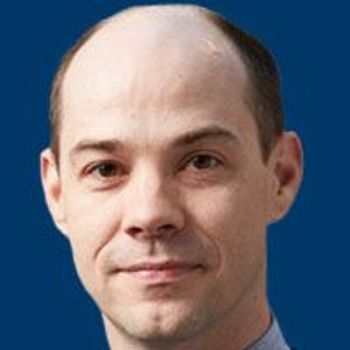
Michael Dickinson, MBBS, expands on data from a phase 2 dose-expansion study of glofitamab in heavily pretreated, highly refractory large B-cell lymphoma, explains the effect bispecific antibodies could have on treatment, and highlights other research efforts surrounding glofitamab-based therapies.

Although cutaneous T-cell lymphoma, a group of non-Hodgkin T-cell lymphomas, remains a rare disease, incidence has increased steadily since the 1970s.

The Hong Kong Special Administrative Region’s Department of Health has accepted for review a biologics license application seeking the approval of tafasitamab plus lenalidomide in patients with relapsed or refractory diffuse large B-cell lymphoma.
Relmacabtagene autoleucel elicited durable responses and a high overall survival rate in Chinese patients with relapsed/refractory large B-cell lymphoma, according to 2-year follow-up data from the phase 2 RELIANCE trial.

The FDA has lifted a partial clinical hold on the open-label, dose-escalating phase 1/2 TakeAim Lymphoma trial investigating the safety and efficacy of emavusertib in patients with relapsed or refractory B-cell malignancies.

The combination of lenalidomide and rituximab demonstrated durable safety and efficacy that was comparable to that achieved with rituximab plus chemotherapy in previously untreated patients with follicular lymphoma, according to 6-year data from the phase 3 RELEVANCE trial.

Won Seog Kim, MD, PhD, discusses the potential clinical role of Anbalcabtagene autoleucel in relapsed/refractory diffuse large B-cell lymphoma and the continued evolution of CAR T-cell therapy.
The FDA has accepted a supplemental biologics license application for the combination of polatuzumab vedotin and R-CHP as a treatment for patients with previously untreated diffuse large B-cell lymphoma.

Raul Cordoba, MD, PhD, discussed the efficacy and safety findings from cohort 4 of the EPCORE NHL-2 trial, the benefits observed with epcoritamab monotherapy in patients who did not proceed to transplant, and what the addition of epcoritamab to R-DHAX/C could mean for patients with relapsed/refractory DLBCL.
Jean-Marie Michot, MD, discusses the examination of CC-99282 in relapsed/refractory non–Hodgkin lymphoma.
Single-agent tolinapant generated promising response rates with a manageable safety profile in patients with relapsed/refractory peripheral T-cell lymphoma and cutaneous T-cell lymphoma, according to data from the phase 2 ASTX660-01 trial.
CC-99282 Demonstrates Manageable Safety Profile, Elicits Favorable Responses in Non-Hodgkin Lymphoma
Jean-Marie Michot, MD, discusses the methods and rationale for the CC-99282-NHL-001 study.
Hervé Tilly, MD, PhD, discusses the efficacy of polatuzumab vedotin-piiq plus rituximab, cyclophosphamide, doxorubicin, and prednisone in an Asia subpopulation of patients with diffuse large B-cell lymphoma.
Joshua Brody, MD, discusses the significance of CAR T-cell therapies being used in earlier treatment lines in patients with diffuse large B-cell lymphoma who relapse within their first year of receiving chemotherapy.
Christopher R. D’Angelo, MD, discusses emerging therapies in diffuse large B-cell lymphoma.
The FDA has granted fast track and rare pediatric disease designations to the CAR T-cell therapy WU-CART-007 for the treatment of patients with relapsed/refractory T-cell acute lymphoblastic leukemia and lymphoblastic lymphoma.
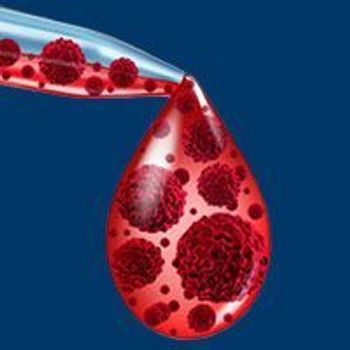
Immune checkpoint inhibitor therapy in relapsed follicular lymphoma can induce immune-related adverse events which can be difficult to diagnose and manage.
Avyakta Kallam, MBBS, discusses the role of BTK and PI3K inhibitors in the treatment of patients with central nervous system lymphoma.
Neha Mehta-Shah, MD, MSCI, discusses variations of CHOP-based chemotherapy in peripheral T-cell lymphoma.
Single-agent mosunetuzumab produced a complete response rate that was greater than what has been observed with historical controls in patients with relapsed/refractory follicular lymphoma who had received at least 2 prior lines of therapy, meeting the primary end point of the expansion portion of the phase 1/2 GO29781 trial.
The CAR T-cell therapy CB-010 displayed promising preliminary efficacy and safety results in patients with relapsed/refractory B-cell non-Hodgkin lymphoma according to findings from the phase 1 ANTLER trial presented during the 2022 Pan Pacific Lymphoma Meeting.

Polatuzumab vedotin, in combination with rituximab, cyclophosphamide, doxorubicin, and prednisone, induced a 27% reduction in relative risk for disease progression, relapse, or death for patients with newly diagnosed diffuse large B-cell lymphoma.
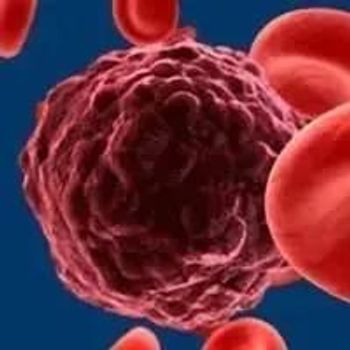
Pirtobrutinib demonstrated potent antitumor activity and a low incidence of adverse effects in patients with BTK-pretreated and -naïve mantle cell lymphoma.
Treatment with zanubrutinib maintained or improved response without an increase in acalabrutinib intolerance events in patients with previously treated B-cell malignancies.
Neha Mehta-Shah, MD, MSCI, discusses frontline therapies in peripheral T-cell lymphoma, highlighting the current treatment landscape and the need to explore more treatment options in clinical trials.
Advertisement
Advertisement
Trending on OncLive
1
Ifinatamab Deruxtecan BLA Voluntarily Withdrawn in Previously Treated Extensive-Stage SCLC
2
Tegavivint Plus Osimertinib Shows Early Activity in First-Line EGFR-Mutated NSCLC
3
Etentamig Improves Response and PFS vs Standard Therapies in Triple-Class Exposed Relapsed/Refractory Myeloma
4
FDA Grants Priority Review to Perioperative Durvalumab Plus Neoadjuvant Enfortumab Vedotin in MIBC
5