


Non-Hodgkin Lymphoma
Latest News

Advertisement
Latest Videos
















































Advertisement
More News

William G. Wierda, MD, PhD, discusses the latest CAPTIVATE findings in patients with chronic lymphocytic leukemia.

Jakub Svoboda, MD, discusses the results of the ECHELON-2 trial and explained where clinical research is headed in peripheral T-cell lymphoma.
The experts comment on first-line treatment options in patients with chronic lymphocytic leukemia.
Dr Brown and Dr Ghia discuss the European Society for Medical Oncology [ESMO] and International Workshop on Chronic Lymphocytic Leukemia [iwCLL] recommended guidelines in assessing and treating chronic lymphocytic leukemia.

Nirav Shah, MD, MCW, discusses the safety profile of an anti-CD20/anti-CD19 CAR T-cell therapy under investigation in the treatment of patients with non-Hodgkin lymphoma.

January 14, 2021 - The FDA has approved crizotinib for the treatment of pediatric patients 1 year of age and older and young adults with ALK-positive relapsed or refractory, systemic anaplastic large cell lymphoma.
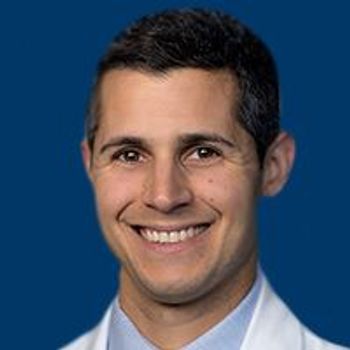
James Gerson, MD, discusses how he navigates treatment selection for patients with CLL and exciting developments in the pipeline.

January 13, 2021 - Health Canada has approved the combination of ibrutinib and rituximab for use in patients with treatment-naïve chronic lymphocytic leukemia.

As the coronavirus disease 2019 pandemic continues to pose challenges, health care providers struggle with decisions on how to balance the risk of severe acute respiratory syndrome coronavirus 2 transmission with the need to treat patients’ underlying conditions.

Nirav N. Shah, MD, discusses the rationale to evaluate tandem receptor CAR T-cell therapy in non-Hodgkin lymphoma.

Hun Ju Lee, MD, discusses the tolerability of ibrutinib plus cirmtuzumab in mantle cell lymphoma and chronic lymphocytic lymphoma.
Advertisement
Advertisement
Trending on OncLive
1
Ifinatamab Deruxtecan BLA Voluntarily Withdrawn in Previously Treated Extensive-Stage SCLC
2
Tegavivint Plus Osimertinib Shows Early Activity in First-Line EGFR-Mutated NSCLC
3
Etentamig Improves Response and PFS vs Standard Therapies in Triple-Class Exposed Relapsed/Refractory Myeloma
4
FDA Approves Lirafugratinib for Pretreated, Locally Advanced or Metastatic Cholangiocarcinoma
5