

Ovarian Cancer
Latest News
Advertisement
Latest Videos


































































Advertisement
More News
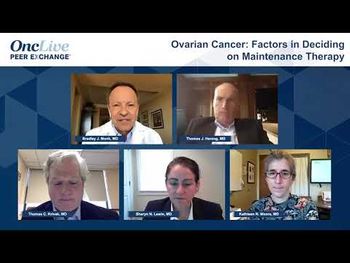

In our exclusive interview, Thomas Herzog, MD, discusses the FDA approval of the combination of olaparib (Lynparza) and bevacizumab (Avastin) as frontline maintenance therapy in HRD-positive advanced ovarian cancer.
Thomas Herzog, MD, discusses the FDA approval of olaparib plus bevacizumab for the frontline maintenance treatment of patients with homologous recombination deficiency–positive ovarian cancer.
R. Wendel Naumann, MD, gynecologic oncologist, Levine Cancer Institute, Carolinas HealthCare System/Atrium Health, discusses unanswered questions with PARP inhibitors in ovarian cancer.

Robert L. Coleman, MD, FACOG, FACS, discusses recent advances made in the treatment of patients with ovarian cancer and remaining questions regarding the role of immunotherapy.
R. Wendel Naumann, MD, discusses the FDA approval of niraparib in ovarian cancer and the impact on the current treatment paradigm.
Transformative clinical trials of PARP inhibitors have revolutionized the frontline treatment paradigm in advanced ovarian cancer.

Strategies with PARP inhibitors in ovarian cancer should focus on combination strategies to more effectively treat a heterogeneous patient population.
The surge of treatment options for patients with ovarian cancer poses a daunting challenge as answers for optimal sequencing continue to elude clinicians.
The combination of the RAF-MEK inhibitor VS-6766 (CH5126766) and the FAK inhibitor defactinib (VS-6063) elicited early signals of clinical activity in a group of patients with KRAS-mutant advanced cancers.
Sharyn Lewin, MD, FACS, discusses the utility of hyperthermic intraperitoneal chemotherapy in newly diagnosed advanced-stage ovarian cancer.
We recently traveled to Columbus, Ohio for a State of the Science Summit™ on Ovarian Cancer, which featured insights from The Ohio State University Comprehensive Cancer Center–James faculty.
David O'Malley, MD, discusses antitumor activity with veliparib in combination with chemotherapy in patients with high grade serous ovarian cancer.

An OncLive® Weekly Webinar Series highlighting best practices, treatment updates, and multidisciplinary approaches to ovarian cancer care through the COVID-19 pandemic. Join us Wednesday, June 3, 2020 at 8 PM EST.

In this third webinar of our series, we will take an in-depth look at systemic therapy and how the landscape of treatment continues to evolve during this time. Join us on Wednesday, May 20, 2020 at 8 PM EST.
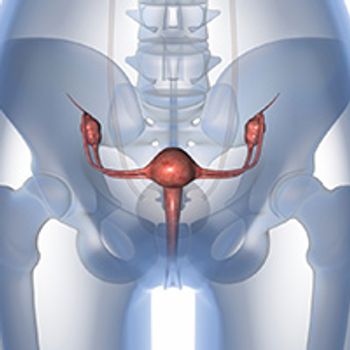
An OncLive® Weekly Webinar Series highlighting best practices, treatment updates, and multidisciplinary approaches to ovarian cancer care through the COVID-19 pandemic. Join us Wednesday, May 13, 2020 at 8 PM EST.

The success of frontline maintenance niraparib in the phase III PRIMA trial extends to meeting biomarker-defined and other secondary endpoints and showing positive patient-reported outcomes.
David O'Malley, MD, discusses the increased benefit of rucaparib maintenance in patients with ovarian cancer who express RAD51C/D mutations.

Elizabeth M. Swisher, MD, discusses the implications of the phase III VELIA/GOG-3005 trial in ovarian cancer.
David O’Malley, MD, discusses the rationale to evaluate the clinical benefit of rucaparib maintenance treatment following disease progression in a subgroup of patients with ovarian cancer whose disease is associated with a mutation in a non-BRCA homologous recombination gene in the phase III ARIEL3 trial in ovarian cancer.
Advertisement
Advertisement
Trending on OncLive
1
Dr Cercek on the FDA Approval of Dostarlimab for dMMR/MSI-H Locally Advanced Rectal Cancer
2
Weigh Benefit Against Burden: Defining Lurbinectedin’s Role in a Shifting Small Cell Lung Cancer Landscape
3
Vilamakitug Meets OS Threshold in Phase 1/2 Refractory mCRC Trial
4
Dr Warren on the Goal of the 4WARD Trial Evaluating Mavorixafor in Chronic Neutropenia
5