

Encouraging initial durability has been observed with afamitresgene autoleucel in patients with advanced synovial sarcoma or myxoid/round cell liposarcoma, according to data from the phase 2 SPEARHEAD-1 trial.
Encouraging initial durability has been observed with afamitresgene autoleucel in patients with advanced synovial sarcoma or myxoid/round cell liposarcoma, according to data from the phase 2 SPEARHEAD-1 trial.

Patritumab deruxtecan was found to induce clinically meaningful, durable efficacy in heavily pretreated patients with EGFR-mutated non–small cell lung cancer who were resistant to EGFR TKIs.
Catequentinib improved disease control and progression-free survival in patients with advanced synovial sarcoma compared with dacarbazine.

Ferdinandos Skoulidis, MD, PhD, MRCP, discusses the results of subgroup analysis from the phase 2 CodeBreaK 100 trial in patients with KRAS G12C-mutant non–small cell lung cancer.
The efficacy demonstrated with combination of ponatinib and blinatumomab represent a potentially promising chemotherapy-free, hematopoietic stem cell transplant–sparing treatment for patients with Philadelphia chromosome–positive acute lymphocytic leukemia.

Martin Reck, MD, PhD, discusses updated results of the phase 3 CheckMate 9LA study in advanced non–small cell lung cancer.
The investigational SHP2 inhibitor TNO155 demonstrated encouraging safety and tolerability, and consistent evidence of SHP2 inhibition in patients with advanced solid tumors.
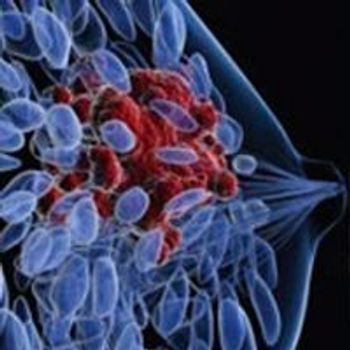
Evidence of tucatinib and its predominant metabolite, ONT-993, were detectable in the cerebrospinal fluid of patients with leptomeningeal metastasis HER2+ positive breast cancer marking a first for tucatinib distribution into the CSF seen in this patient population.

Toni K. Choueiri, MD, discusses the efficacy of pembrolizumab as a post-nephrectomy adjuvant therapy for patients with renal cell carcinoma from the phase 3 KEYNOTE-564 trial.

Nivolumab and ipilimumab plus 2 cycles of platinum-based chemotherapy demonstrated durable survival benefit vs chemotherapy alone in patients with advanced non–small cell lung cancer.

CLN-081 demonstrated promising preliminary antitumor activity and an acceptable safety profile across all doses tested in patients with previously treated non–small cell lung cancer (NSCLC) harboring EGFR exon 20 insertion mutations.
Tivozanib led to a more than doubled median duration of response compared with sorafenib in patients with metastatic renal cell carcinoma.

Avelumab as frontline maintenance plus best supportive care demonstrated a survival benefit compared with BSC alone across several previously unreported subgroups of patients with advanced urothelial cancer who have progressed on first-line platinum-containing chemotherapy.
Data from an updated analysis of the phase 3 PACIFIC trial indicate that treatment with durvalumab after chemoradiotherapy is associated with long-term survival improvements in patients with unresectable stage III non-small cell lung cancer.

The combination of nivolumab and ipilimumab continued to provide a durable, long-term overall survival benefit compared with chemotherapy after 4 years for patients with advanced non‒small cell lung cancer regardless of PD-L1 expression or histology.
Cirmtuzumab and ibrutinib led to reported high overall response rates in patients with mantle cell lymphoma or chronic lymphocytic leukemia.

The tri-specific half-life extended prostate-specific membrane antigen-targeting T cell engager HPN424 demonstrated antitumor activity and was well tolerated in patients with metastatic castration-resistant prostate cancer.

Mobocertinib, a first-in-class, oral, EGFR TKI, induced rapid, deep, and durable responses and a manageable safety profile in patients with platinum-pretreated EGFR exon 20 insertion–positive metastatic non–small cell lung cancer.
Deep and early responses were yielded with a single infusion of ciltacabtagene autoleucel in patients with previously treated, relapsed/refractory multiple myeloma.

Pembrolizumab plus concurrent chemoradiation therapy induced antitumor effects in patients with unresectable, locally advanced, stage III non–small cell lung cancer irrespective of PD-L1 expression or tumor histology.
Brigatinib demonstrated sustained long-term responses and survival in patients with crizotinib-refractory ALK-positive non–small cell lung cancer.

Darolutamide remained well tolerated with a highly favorable safety profile when combined with androgen deprivation therapy in the treatment of patients with nonmetastatic castration-resistant prostate cancer.
Updated findings from the ARROW trial demonstrated that pralsetinib could benefit those with RET fusion–positive non–small cell lung cancer and is a well-tolerated agent in the patient population.
Intra-patient dose escalation of ripretinib to 150 mg twice a day following disease progression extended progression-free survival for patients with advanced gastrointestinal stromal tumor after receiving fourth-line therapy.

The CAR T-cell therapy idecabtagene vicleucel continues to demonstrate improved survival among heavily pretreated patients with relapsed/refractory multiple myeloma.

Maintenance therapy with niraparib significantly improved progression-free survival in patients with BRCA-mutated ovarian cancer, according to results from three phase 3 trials.

Some patients with previously treated advanced colorectal cancer responded to treatment with lenvatinib plus pembrolizumab.

The addition of nivolumab to either ipilimumab or chemotherapy resulted in improved survival outcomes vs chemotherapy alone in the frontline treatment of patients with unresectable advanced or metastatic esophageal squamous cell carcinoma.
Pembrolizumab was associated with a 32% reduction in the risk of disease recurrence or death compared with placebo as an adjuvant treatment for patients with clear cell renal cell carcinoma.

Olaparib demonstrated clinically meaningful benefit 1 year after standard of care therapies, such as surgery, chemotherapy, hormone therapy, or radiation therapy, in patients with BRCA1/2-mutant, early HER2-negative breast cancer who are at a high risk for recurrence.