

Mosunetuzumab demonstrated durable responses and a low rate of adverse events linked with treatment discontinuation in patients with relapsed/refractory follicular lymphoma, according to an updated analysis of the pivotal phase 2 GO29781 study.

Your AI-Trained Oncology Knowledge Connection!
Mosunetuzumab demonstrated durable responses and a low rate of adverse events linked with treatment discontinuation in patients with relapsed/refractory follicular lymphoma, according to an updated analysis of the pivotal phase 2 GO29781 study.
Jeremy Abramson, MD, discusses the efficacy data of second-line lisocabtagene maraleucel vs standard-of-care salvage chemotherapy followed by autologous stem cell transplant from the phase 3 TRANSFORM trial done in patients with relapsed/refractory large B-cell lymphoma.
Low doses of lenalidomide prolonged time to and decreased the risk of transfusion dependency and induced quality clonal responses with no increases in progression rate or clonal evolution in patients with low-risk myelodysplastic syndrome.
Tisagenlecleucel produced durable responses in patients with relapsed/refractory follicular lymphoma, including those with high-risk disease characteristics.

Second-line treatment with lisocabtagene maraleucel (liso-cel; Breyanzi) reduced the risk of an event occurring by 64.4% compared with standard-of-care chemoimmunotherapy induction and autologous stem cell transplantation for patients with high-risk relapsed/refractory large B-cell lymphoma.
Ajay Chari, MD, discusses findings from the phase 1/2 MonumenTAL-1 trial investigating talquetamab in heavily pretreated patients with relapsed/refractory multiple myeloma.
Jesus G. Berdeja, MD, discusses the investigation of BMS-986393 in patients with relapsed/refractory multiple myeloma.

Patients receiving axicabtagene ciloleucel reported a temporary reduction in quality of life, followed by statistically significant improvements in overall QOL and symptoms within the first year of treatment for relapsed/refractory large B-cell lymphoma.

The addition of ibrutinib to standard chemoimmunotherapy induction followed by autologous stem cell transplantation (ASCT) and 2 years of maintenance ibrutinib significantly improved outcomes vs standard chemoimmunotherapy induction and ASCT alone for younger patients with mantle cell lymphoma.

The combination of selinexor and ruxolitinib significantly reduced spleen volume and total symptom score while achieving hemoglobin stabilization in an open-label dose-escalation/dose-expansion, phase 1 study of patients with treatment-naïve myelofibrosis.

Daratumumab in addition to bortezomib, lenalidomide, and dexamethasone induction/consolidation therapy, as well as with lenalidomide maintenance, showcased a promising health-related quality of life benefit for patients with transplant eligible, newly diagnosed multiple myeloma.
Mezigdomide showed notable clinical activity and a manageable safety profile when combined with dexamethasone in patients with triple-class relapsed or refractory multiple myeloma.
The combination of zilovertamab and ibrutinib resulted in promising clinical response and progression-free survival rates and showcased a tolerable toxicity profile in patients with mantle cell lymphoma and chronic lymphocytic leukemia.

The CD19-targeted CAR T-cell therapy rapcabtagene autoleucel was found to be well tolerated and to yield durable responses in patients with relapsed/refractory diffuse large B-cell lymphoma who had undergone 2 or more prior lines of therapy.

The addition of magrolimab to azacitidine and venetoclax produced high complete response rates and was well tolerated as first-line therapy in patients with high-risk de novo and secondary acute myeloid leukemia regardless of TP53 mutation status.

Crovalimab led to rapid and stable hemolysis control and transfusion avoidance, with no new safety signals, in Chinese patients with paroxysmal nocturnal hemoglobinuria.
Iberdomide monotherapy or in combination with anti-CD20 antibodies was well tolerated and found to elicit encouraging responses in patients with relapsed or refractory lymphoma.
The combination of ibrutinib and venetoclax produced rapid and deep responses in previously untreated patients with Waldenström macroglobulinemia but there was a higher-than-anticipated rate of ventricular arrhythmia that prompted stopping treatment.
Zanubrutinib sustained high response rates and led to durable disease control with low incidence of hypertension and atrial fibrillation in patients with relapsed/refractory marginal zone lymphoma, according to findings from the final analysis of the phase 2 MAGNOLIA trial.
Ziftomenib monotherapy had a manageable toxicity profile and provided pronounced antileukemic activity when given at a 600-mg dose in heavily pretreated patients with relapsed or refractory acute myeloid leukemia.
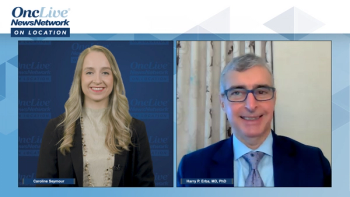
OncLive® will be LIVE with OncLive® News Network: On Location at the 2022 ASH Annual Meeting. Each day, we will broadcast a series of interviews with top thought leaders, to learn their thoughts and reactions to data presented across hematologic oncology during the conference.
Tycel Phillips, MD, MPH, discusses the investigation of glofitamab monotherapy in relapsed/refractory mantle cell lymphoma.
Mazyar Shadman, MD, MPH, discusses the examination of zanubrutinib in patients with B-cell malignancies who were intolerant to acalabrutinib.

The non-covalent BTK inhibitor pirtobrutinib showed high levels of response in heavily pretreated patients with Waldenström macroglobulinemia, regardless of prior treatment with a covalent BTK inhibitor.

The GPRC5D- and CD3-directed bispecific antibody forimtamig led to high response rates in patients with relapsed or refractory multiple myeloma regardless of subcutaneous or intravenous administration, according to updated findings from a phase 1 dose-escalation study.

The combination of rituximab and lenalidomide maintained improved progression-free survival compared with rituximab alone in patients with relapsed/refractory indolent non-Hodgkin lymphoma, according to 5-year findings from the phase 3 AUGMENT trial.

Administration of teclistamab in combination with daratumumab and lenalidomide demonstrated promising overall response rates and tolerability in patients with relapsed/refractory multiple myeloma who had prior lenalidomide exposure, according to initial data from the phase 1b MajesTEC-2 trial.
Treatment with the CD3/BCMA bispecific antibody elranatamab elicited an objective response rate by blinded independent central review of 61.0% in patients with penta- or triple-class refractory multiple myeloma who had not received a prior BCMA-targeted therapy.

Sequential administration of lintuzumab-Ac225 after salvage chemotherapy proved to be safe and feasible, and to result in high response and minimal residual disease negativity rates in high-risk patients with relapsed/refractory acute myeloid leukemia.
Talquetamab elicited overall response rates of higher than 70% when administered in weekly or every-other-week schedules in heavily pretreated patients with relapsed or refractory multiple myeloma.