

Spanning metastatic non–small cell lung cancer, castration-resistant prostate cancer, and HER2-low breast cancer, here are 4 must-know clinical trials in Tennessee that community oncologists can now enroll their patients on.
Spanning metastatic non–small cell lung cancer, castration-resistant prostate cancer, and HER2-low breast cancer, here are 4 must-know clinical trials in Tennessee that community oncologists can now enroll their patients on.
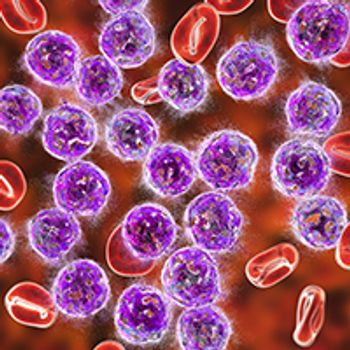
Autologous hematopoietic stem-cell transplantation maintained its long-term efficacy over interferon alfa in patients with mantle cell lymphoma, confirming its place as the standard frontline treatment in this population.

The Boston Society in collaboration with Harvard Medical School is bringing together the top Acute Myeloid Leukemia (AML) experts for a power-packed one day conference to deliberate upon AML from varied perspectives.
A new project led by researchers at MUSC Hollings Cancer Center could significantly decrease the side effects associated with CAR-T-cell therapy and make the treatment available to more patients who could benefit.

The American Society of Clinical Oncology projects significant shortages of practicing oncologists compared with patients with new cancer diagnoses and existing cancer by 2025.

Patritumab deruxtecan, a novel antibody-drug conjugate, is emerging as a promising HER3-directed therapy in patients with non–small cell lung cancer and perhaps other solid malignancies.

Efforts to move beyond chemotherapy alone for patients with advanced urothelial cancer, shift effective treatments into the curative setting in renal cell carcinoma, and effectively escalate treatment for patients with high-risk and high-volume prostate cancer have been successfully met.
Aimed at growing the translational workforce, most hubs offer different accelerated advanced degree opportunities to oncology trainees, such as master’s degrees in clinical and/or translational research, or graduate certificates.

Shikha Jain, MD, FACP, and Mario Spaggiari, MD, highlight key advancements made in the treatment of patients with colorectal cancer and liver metastases, patient and disease factors to consider for surgical and systemic treatment, and the importance of multidisciplinary care for this population.

The FDA has granted a rare pediatric disease designation to lutetium-177-omburtamab-DTPA for use as a potential therapeutic option in pediatric patients with medulloblastoma, according to an announcement from Y-mAbs Therapeutics, Inc., the developer of the product.

The FDA approval of the first chimeric antigen receptor T-cell therapy in March 2021 for the treatment of relapsed/refractory multiple myeloma represents a significant advance.
Selective estrogen receptor degraders and antibody-drug conjugates are not only broadening the armamentarium in breast cancer but are demonstrating increasing utility across subtypes and in underserved populations, such as those with HER2-low disease, explained Erika P. Hamilton, MD.
The Paceline Ride, LLC team delivered a check for $126,000 to the Georgia Cancer Center at Augusta University.
The FDA has placed a hold on clinical trials examining Allogene Therapeutics, Inc.’s allogeneic CAR T-cell therapies for patients with cancer, following a report of a chromosomal abnormality in ALLO-501A CAR T cells in a patient who received treatment in the phase 1/2 ALPHA2 study.
Investigators have expanded the scientific understanding of cancer in the adolescent young adult patient population over the past decade. However, unmet needs remain in establishing treatment standards, addressing unique survivorship challenges, and providing a framework for patients to reference as they navigate their cancer journey.
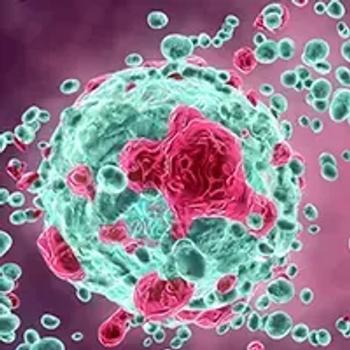
Retroperitoneal surgery for patients with sarcoma requires nuanced decision making that incorporates technical aspects of resection, as well as patient-related and tumor-related factors, according to a presentation given during the 2021 ESMO Congress.
Sumit K. Subudhi, MD, PhD, discusses the treatment of patients with nonmetastatic castration-resistant prostate cancer, as well as those with metastatic castration-naïve, hormone-sensitive, and castration-resistant prostate cancer.

As novel therapies, new treatment strategies, and ongoing clinical trials continue to steer the path forward in lung cancer, treatment patterns for patients with non–small cell lung cancer, small cell lung cancer, and mesothelioma are continuing to evolve.

MSH3 immunohistochemistry and tetranucleotide analysis failed to demonstrate concordance in identifying microsatellite instability in a cohort of colorectal cancer cases at selected tetranucleotide repeats, suggesting that the dual assessment strategy is not ready for routine use in diagnostic workup.
Jill Gilbert, MD, discusses overcoming imposter syndrome in fellowship.
American Oncology Network, LLC and Sarah Cannon Research Institute announced today the addition of AON partner practice Genesis Cancer and Blood Institute, as a strategic research site.
Nadia Harbeck, MD, PhD, discusses the predictive impact of biomarkers on pathologic complete response and survival following de-escalated neoadjuvant T-DM1 with or without endocrine therapy in patients with hormone receptor–positive, HER2-positive breast cancer.
Patients with pancreatic ductal adenocarcinoma experience limited benefit with available first- and second-line second line of therapy.

David R. Gandara, highlights key data regarding the earlier integration of targeted therapy in NSCLC, the growing role of molecular testing with tissue and liquid biopsy, and the importance of incorporating a multidisciplinary approach to patient care in the paradigm.
Zahi Mitri, MD, MS, discusses recent advancements made across the breast cancer paradigm and spotlighted key data that led to the integration of novel agents into the armamentariums.
Pivotal trials, such as the phase 3 FLAURA trial with osimertinib in patients with EGFR-mutant non–small cell lung cancer NSCLC, have demonstrated the significant benefit yielded with targeted therapies.
Vimseltinib was well tolerated and demonstrated promising preliminary efficacy in patients with tenosynovial giant cell tumors whose tumors are not amendable to surgical resection, according to results from a phase 1/2 study.
The addition of plinabulin to docetaxel demonstrated durable anticancer benefit in terms of overall survival when used in the second- or third-line treatment of patients with EGFR wild-type non–small cell lung cancer who had progressed on a prior platinum-based regimen.
The Association of Community Cancer Centers today announced the release of five abstracts at the ASCO Quality Care Symposium, which is being held September 24 and 25 in Boston and virtually, addressing current disparities in comprehensive cancer care and tools to overcome barriers.

Tadeusz Robak, MD, discussed the 7-year safety and efficacy data from the RESONATE-2 trial examining frontline ibrutinib in CLL.