
A supplemental new drug application has been submitted to the FDA for ivosidenib tablets as a potential therapeutic option for patients with previously treated, IDH1-mutated cholangiocarcinoma.
A supplemental new drug application has been submitted to the FDA for ivosidenib tablets as a potential therapeutic option for patients with previously treated, IDH1-mutated cholangiocarcinoma.

The FDA has issued a complete response letter to Athenex, Inc. stating that it will not, at this time, approve the new drug application for oral paclitaxel in combination with encequidar for the treatment of patients with metastatic breast cancer.
Although scientific advances in hematology and oncology have been extraordinary, the US health care system faces significant challenges in ensuring that patients receive high-quality, cost-effective care.
Yttrium-90 glass microspheres administered in a personalized, dosimetric approach demonstrated a 16-month improvement in overall survival compared with a standard dosimetric approach in patients with unresectable hepatocellular carcinoma.
Chemoimmunotherapy has maintained its role as a go-to frontline approach in patients with indolent non-Hodgkin lymphoma.
Several options have emerged for patients with acute myeloid leukemia who are not candidates to receive chemotherapy, with venetoclax-based regimens chief among them.

Targeted therapies have helped to improve responses in patients with relapsed chronic lymphocytic leukemia regardless of high-risk disease, although optimal sequencing and toxicity management need to be further explored to strengthen the utilization of these options.
The FDA has approved melphalan flufenamide for use in combination with dexamethasone in the treatment of select adult patients with relapsed/refractory multiple myeloma.
Natural killer cells can offer several advantages over T cells for CAR therapy in that the former uses both a CAR dependent and independent mechanism for tumor eradication, has better safety, and off-the-shelf feasibility—all at a potentially lower cost.
Although the research that emerged from the discovery of the HeLa cell line has helped to prevent 4.5 billion global infections and 10.3 million global deaths, the unethical and controversial nature of their discovery has raised issues with regard to privacy and consent in underrepresented patient populations.
High-dose chemotherapy and transplant remains the second-line standard of care for the majority of patients with relapsed/refractory diffuse large B-cell lymphoma; however, CAR T-cell therapy and other novel agents, which have transformed the third-line setting, may offer alternative and more personalized second-line options in the coming years.

Rituximab plus CHOP is not a suitable frontline treatment regimen for all patients with diffuse large B-cell lymphoma, explained Andre H. Goy, MD, who specified that patients with a high-risk International Prognostic Index, elderly patients, and patients with high-risk molecular subtypes require alternative treatment.
Hun Ju Lee, MD, discusses a phase 1/2 study evaluating cirmtuzumab in combination with ibrutinib in patients with mantle cell lymphoma or chronic lymphocytic leukemia.
Kerry A, Rogers, MD, discusses the rationale behind the phase 1b study of VAY736 combined with ibrutinib in patients with chronic lymphocytic leukemia and the next steps for this research.
Neoantigen long peptide vaccines continued to show durable T-cell responses in patients with high-risk melanoma that persisted 4 years after initial vaccination.

February 26, 2021 - The European Medicines Agency’s Committee for Medicinal Products for Human Use granted a positive opinion to dostarlimab as a treatment for patients with recurrent or advanced microsatellite instability–high/mismatch repair deficient endometrial cancer who have progressed on or following platinum-based chemotherapy.
The European Medicines Agency’s Committee for Medicinal Products for Human Use has adopted a positive opinion for the combination of cabozantinib plus nivolumab for use as a frontline treatment in patients with advanced renal cell carcinoma.

Maryam Lustberg, MD, MPH, has been appointed Director of The Breast Center at Smilow Cancer Hospital and Chief of Breast Medical Oncology at Yale Cancer Center.
Tanios S. Bekaii-Saab, MD, FACP, shares his approach for treating patients with HCC across several lines of therapy, as well as factors to consider when making sequencing decisions.
CD19-targeted CAR T-cell therapies have yielded durable remissions in approximately half of all patients with aggressive relapsed/refractory B-cell lymphomas.
Treatment with chimeric antigen receptor T cells has induced unprecedented overall response rates and complete response rates in patients with relapsed/refractory B cell malignancies.

Since the publication of the pivotal ELIANA trial in pediatric patients with acute lymphoblastic leukemia, the field of CAR T-cell therapy has grown significantly and left providers better equipped to understand and manage treatment-related adverse effects, such as cytokine release syndrome.
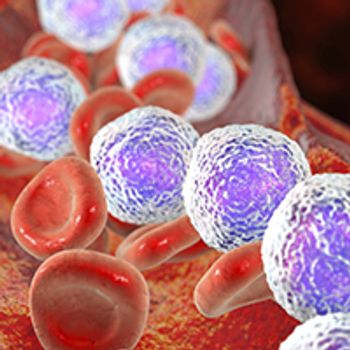
Total body irradiation plus etoposide prior to hematopoietic stem cell transplantation resulted in improved overall survival and a lower risk of relapse in pediatric patients with high-risk acute lymphocytic leukemia compared with chemotherapy conditioning.
The FDA has granted a breakthrough therapy designation to cabozantinib as a potential therapeutic option for patients with differentiated thyroid cancer that has progressed after previous therapy and who are refractory to radioactive iodine.

Edward Kaftan, PhD, has been appointed Assistant Cancer Center Director for Translational Science at Yale Cancer Center.
Timothy M. Schmidt, MD, discusses the integration and utility of bispecific antibodies in relapsed/refractory multiple myeloma, as well as some of the most promising agents in clinical development.

The COVID-19 pandemic may have stalled some physician retirements, but some experts are predicting an exodus of oncologists within the next 1 or 2 years. Practice managers are working now to mitigate the impact with both formal and informal initiatives.
February 24, 2021 - The CAR T-cell product KTE-X19 continues to demonstrate durable clinical benefit in patients with relapsed/refractory mantle cell lymphoma, with an overall response rate of 92%.
Fixed-duration treatment that leads to deep treatment-free remissions has become the prioritized strategy for patients with chronic lymphocytic leukemia, made possible by agents such as venetoclax, umbralisib, and lisocabtagene maraleucel.
February 24, 2021—The off-the-shelf immune primer ilixadencel in combination with sunitinib showcased an encouraging, clinically meaningful survival benefit when used in the first-line treatment of newly diagnosed patients with metastatic renal cell carcinoma.