
Ryan D. Gentzler, MD, highlights how chemotherapy remains a critical component of the metastatic non–small cell lung cancer treatment paradigm.
Ryan D. Gentzler, MD, highlights how chemotherapy remains a critical component of the metastatic non–small cell lung cancer treatment paradigm.
Noopur Raje, MD, discusses the latest treatment advances in multiple myeloma.
Judith Trotman, MBChB, FRACP, FRCPA, discusses zanubrutinib’s effect on patient quality of life and how the BTK inhibitor can be used to extend survival for younger patients with WM.

Gary H. Lyman, MD, FASCO, interprets the available information on biosimilars as it relates to the clinical oncology community.
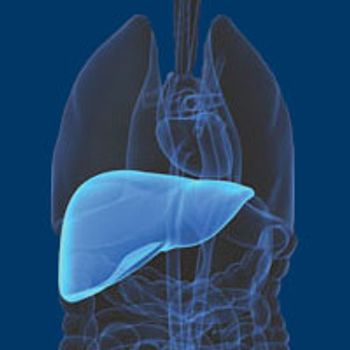
The European Commission has approved lenvatinib (Lenvima) as a first-line treatment for adult patients with advanced or unresectable hepatocellular carcinoma.

Combining Alpelisib (BYL719) with fulvestrant improved progression-free survival versus fulvestrant alone in postmenopausal women and men with HR-positive, HER2-negative, PIK3CA-mutant advanced or metastatic breast cancer that progressed after aromatase inhibitor treatment with or without a CDK4/6 inhibitor, meeting the primary endpoint of the phase III SOLAR-1 trial.

The FDA has granted a priority review to a supplemental biologics license application for elotuzumab for use in combination with pomalidomide and low-dose dexamethasone for the treatment of patients with relapsed/refractory multiple myeloma following 2 or more prior therapies, including lenalidomide and a proteasome inhibitor.
Michael J. Overman, MD, discusses the current state of immunotherapy in patients with CRC and how to optimally manage immune-related adverse events.
The Japanese Ministry of Health, Labour, and Welfare (MHLW) has approved osimertinib for the frontline treatment of patients with inoperable or recurrent EGFR-positive non–small cell lung cancer.
The US Preventive Services Task Force issued new guidelines recommending that women aged 30 to 65 years at average risk for cervical cancer can choose to receive a Pap smear alone every 3 years or screening with the high-risk human papillomavirus test alone or cotesting every 5 years.
Francisco J. Esteva, MD, PhD, discusses the journey of CT-P6 and its promise as a potential biosimilar for trastuzumab in the United States.

Lee Schwartzberg, MD, discusses a retrospective analysis of patients with nonmyeloid cancer who received a filgrastim biosimilar versus the filgrastim biologic and explains how biosimilars have the potential to transform the field of oncology beyond the scope of supportive care.

The China National Drug Administration has approved alectinib for the treatment of patients with ALK-positive, advanced non–small cell lung cancer.

Edward B. Garon, MD, discusseds early findings with pegilodecakin in non–small cell lung cancer.
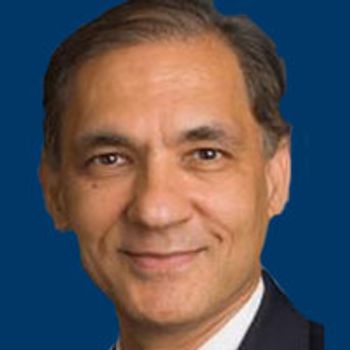
Nikhil C. Munshi, MD, discusses the current treatment landscape of myeloma and potential next steps to further advancing care.
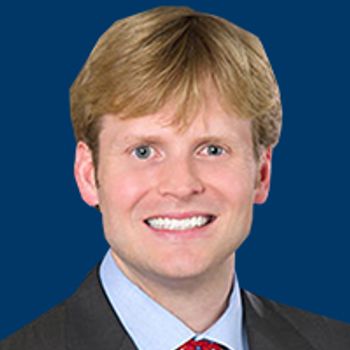
Scott Paulson, MD, discusses recent updates in the treatment of patients with neuroendocrine tumors.

Leonid Shunyakov, MD, discusses the impact genomics has on personalized therapy and the roster of available therapies that continues to grow as a result of identifiable genomic drivers.
The FDA has granted a full approval to frontline pembrolizumab for use in combination with standard chemotherapy for patients with metastatic nonsquamous non–small cell lung cancer.
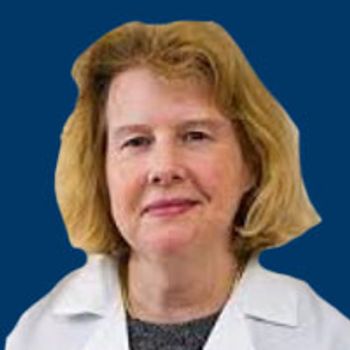
Ursula A. Matulonis, MD, highlights the activity and tolerability of niraparib and discusses other recent data in ovarian cancer.

Hackensack Meridian Health, New Jersey’s largest and most comprehensive healthcare network, is proud to announce the opening of the Institute for Multiple Myeloma which will support groundbreaking research to enhance treatment of this rare cancer.
The FDA has approved single-agent nivolumab for the treatment of patients with small cell lung cancer with disease progression following 2 or more lines of therapy.
The FDA has approved lenvatinib as a first-line treatment for patients with unresectable hepatocellular carcinoma.
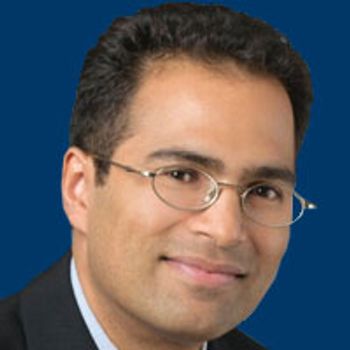
Naveen Pemmaraju, MD, discusses SL-401 and the future of treatment for patients with blastic plasmacytoid dendritic cell neoplasm.

Jose M. Pacheco, MD, discusses the preferred therapeutic strategies for treating patients with NSCLC whose tumors harbor genetic alterations in EGFR, ALK, and ROS1.
David O'Malley, MD, discusses the emerging combination of mirvetuximab soravtansine plus bevacizumab and the evolving treatment landscape in ovarian cancer.

Alexander E. Drilon, MD, discusses the data with LOXO-292 thus far and the promise for this agent in patients with RET alterations.

Stephanie L. Graff, MD, discusses the current and evolving landscape of breast oncology and what this means for patients.

James Larner, MD, discusses the process by which radiation interacts with the immune system and how physicians are working to improve treatment responses for patients with non–small cell lung cancer.
Jodie Barr, DO, discusses the evolution of treatment of patients with neuroendocrine tumors and the need for biomarkers.

Apar Kishor Ganti, MD, discusses some of the most intriguing abstracts in lung cancer recently presented at medical meetings.