
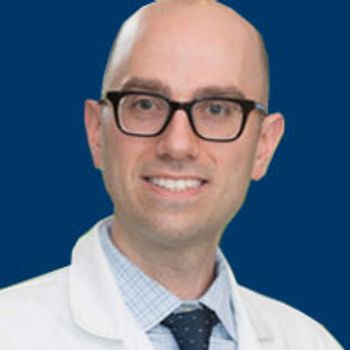
Eric Smith, MD, PhD, discusses the response to CD19 CAR T-cell therapy in B-cell ALL.

Your AI-Trained Oncology Knowledge Connection!
Eric Smith, MD, PhD, discusses the response to CD19 CAR T-cell therapy in B-cell ALL.

Pierre Massion, MD, on the necessity of having more people undergo lung cancer screening, ongoing clinical trials emphasizing the importance of early detection, and how to determine who is at highest risk for lung cancer.

The addition of T-VEC (T-VEC; Imlygic), a herpes simplex virus 1-based oncolytic virus, to CTLA-4 inhibitor ipilimumab (Yervoy) improves the objective response rate in patients with unresected stage IIIb to IV melanoma.

Rachel Dibble, NP, discusses the importance of palliative care at the start of diagnosis for patients with non-small cell lung cancer and explained its differences from end-of-life care.
The FDA has placed a clinical hold on the phase III KEYNOTE-183 and KEYNOTE-185 pembrolizumab (Keytruda) trials and ordered the discontinuation of the lenalidomide/dexamethasone/pembrolizumab arm of the KEYNOTE-023 trial in patients with multiple myeloma.

Melissa Johnson, MD, discusses the impact of immunotherapy for patients with non-small cell lung cancer—those with both high and low levels of PD-L1 expression—and how the treatment and the role of PD-L1 will continue to progress in the coming years.

Ziv-aflibercept (Zaltrap) prolonged overall survival compared to placebo across subgroups of patients with metastatic colorectal cancer with wild-type and mutated RAS, KRAS, and BRAF genes.

While expected improvements in survival did not emerge with SIRT plus chemotherapy, an unanticipated benefit was observed with SIRT in patients with metastatic colorectal cancer.

Adjuvant nivolumab (Opdivo) extended recurrence-free survival compared with adjuvant ipilimumab (Yervoy) in patients with advanced melanoma enrolled in the phase III CheckMate-238 trial.

Leora Horn, MD, MSc, discusses the utility of blood-based biomarkers, how they have transformed treatment approaches for patients with non-small cell lung cancer, and the ongoing work currently being done with them.

The FDA has expanded the indication for the DigniCap Cooling System to be used for alopecia reduction across all solid tumors.

The FDA has approved panitumumab in combination with FOLFOX as a frontline treatment for patients with RAS wild-type metastatic colorectal cancer.
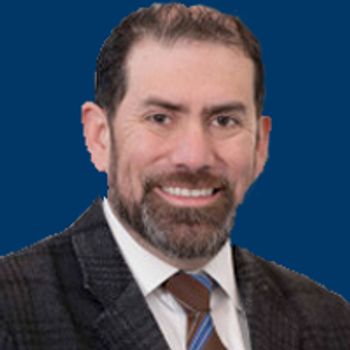
Luis A. Diaz, MD, discusses KEYNOTE-177 and the implications of the FDA approval of pembrolizumab for patients with MSI-H or dMMR CRC or other solid tumors.

The FDA has approved ClearLLab multicolor reagents (T1, T2, B1, B2, M) for the detection of chronic leukemia, acute leukemia, non-Hodgkin lymphoma, multiple myeloma, myelodysplastic syndrome, and myeloproliferative neoplasms.

The European Union has approved the use of ceritinib for the first-line treatment of patients with ALK-positive advanced non­–small cell lung cancer.
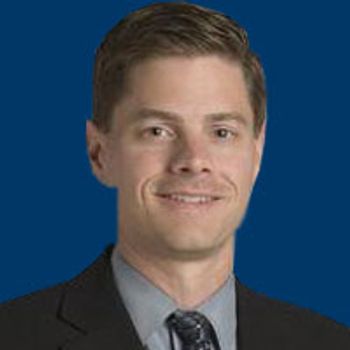
Brian Rini, MD, discusses additional adjuvant trials that have perplexed the field, what potential immunotherapy could have in this setting, and other obstacles to tackle in the renal cell carcinoma landscape.

Jia Ruan, MD, PhD, discusses some of the ongoing work in the field of T-cell lymphoma and the unanswered questions investigators are still facing for these patients

Costas Lallas, MD, discusses the current role of immunotherapy for patients with genitourinary cancers, the potential for immunotherapy in combination with chemotherapy, and how the rise of immunotherapy affects all providers treating patients with these malignancies.

Preliminary evidence suggests that abemaciclib penetrated brain metastases and had antitumor activity in patients with hormone receptor-positive, HER2-negative metastatic breast cancer.
Researchers have yet to determine the degree to which harboring a BRCA1 or BRCA2 mutation raises a woman’s lifetime risk of developing breast and ovarian cancer.

Jennifer Ligibel, MD, describes the BWEL trial and the possible impact of weight loss intervention for patients with breast cancer.

Frontline brentuximab vedotin (Adcetris) was associated with improved progression-free survival compared with standard chemotherapy in patients with advanced classical Hodgkin lymphoma, according to results from the phase III ECHELON-1 clinical trial.
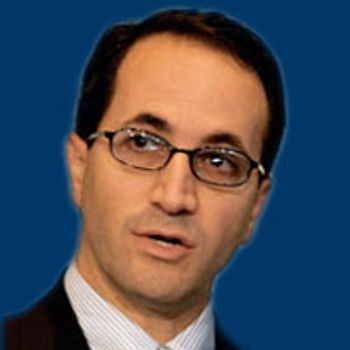
Robert Ferris, MD, PhD, discusses the RTOG 3504 trial, as well as the utility of immunotherapy agents for patients with intermediate and high-risk head and neck squamous cell carcinoma.

Andrew Stephenson, MD, discusses some of the past and current data demonstrating the benefits of active surveillance for patients with localized prostate cancer and the evolving opinions on PSA screening.

Updated phase II results from the KEYNOTE-052 trial showed that first-line treatment with pembrolizumab (Keytruda) produced a long-lasting response for patients with cisplatin-ineligible advanced urothelial cancer.
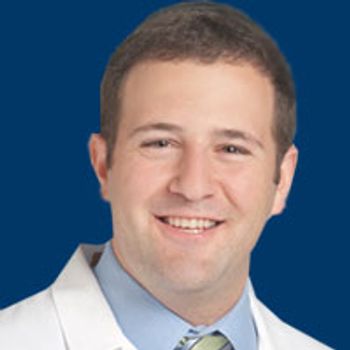
Moshe Ornstein, MD, discusses the obstacles physicians are facing with the use of immunotherapy for patients with renal cell carcinoma.

The Committee for Medicinal Products for Human Use has adopted a positive opinion recommending marketing authorization of tivozanib for adult patients with advanced renal cell carcinoma.

Rebecca C. Arend, MD, discusses highlights from the ASCO meeting and other key developments in endometrial cancer.
The FDA has rejected Hospira's a biologics license application for the epoetin alfa biosimilar, epoetin hospira, citing manufacturing concerns at the company's fill-finish facility in McPherson, Kansas.

Jorge Garcia, MD, discusses how the field of bladder cancer has transformed with the FDA approval of pembrolizumab, and how oncologists should choose between 5 checkpoint inhibitors now available for the second-line setting and beyond.