
Adding enzalutamide to androgen deprivation therapy (ADT) significantly improved metastasis-free survival versus ADT alone in patients with nonmetastatic castration-resistant prostate cancer, according to findings from the phase III PROSPER trial.

Your AI-Trained Oncology Knowledge Connection!
Adding enzalutamide to androgen deprivation therapy (ADT) significantly improved metastasis-free survival versus ADT alone in patients with nonmetastatic castration-resistant prostate cancer, according to findings from the phase III PROSPER trial.
The FDA approved the first biosimilar for the treatment of cancer. ABP-215 (bevacizumab-awwb; Mvasi), a biosimilar for bevacizumab (Avastin), is indicated for the treatment of colorectal, lung, brain, kidney, and cervical cancers in adult patients.
The FDA has granted an accelerated approval to copanlisib (Aliqopa) as a treatment for patients with relapsed follicular lymphoma who have received at least 2 least prior systemic therapies.
The FDA has accepted new drug applications supporting use of the combination of the BRAF inhibitor encorafenib and the MEK inhibitor binimetinib for BRAF-mutant advanced, unresectable or metastatic melanoma.
High-intensity local radiation combined with systemic therapy improved overall survival compared with systemic therapy alone in patients with head and neck squamous cell carcinoma.
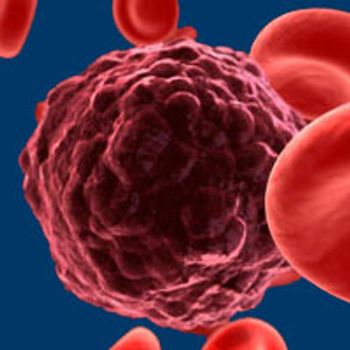
Administering high-dose cytarabine to children with myeloid leukemia of Down syndrome during the second chemotherapy induction cycle resulted in improved event-free survival and overall survival compared to results observed in previous research studies.
The FDA has accepted a biologics license application for the rituximab biosimilar Rixathon, according to Sandoz, the company developing the treatment.
Two doses of nivolumab given about 1 month prior to surgery are well tolerated and reduces tumor size in about half of patients with squamous cell carcinoma of the head and neck.
The FDA has granted a breakthrough therapy designation to cemiplimab (REGN2810) for the treatment of adults with metastatic cutaneous squamous cell carcinoma (CSCC) and adults with locally advanced and unresectable CSCC.
The FDA has placed clinical holds on multiple trials in Celgene’s FUSION program, which is exploring regimens combining the PD-L1 inhibitor durvalumab with immunomodulatory and chemotherapy agents across several hematologic malignancies.

18Fluorodeoxyglucose-positron emission tomography/computed tomography scanning reliably detected residual neck disease in newly diagnosed patients with locoregionally advanced head-and-neck squamous cell carcinoma.

Weill Cornell Medicine has been awarded a five-year, $11.3 million Specialized Programs of Research Excellence grant from the National Cancer Institute to improve the detection, diagnosis and treatment of prostate cancer, a disease that affects one in six men.
The FDA has placed partial clinical holds on 3 trials assessing nivolumab (Opdivo)-based combinations in patients with relapsed/refractory multiple myeloma.
Adding the IDO inhibitor indoximod to pembrolizumab (Keytruda) led to an overall response rate of 61% in patients with advanced melanoma.

The phase Ib/II Study 111 examining the combination of pembrolizumab and lenvatinib in women with metastatic endometrial carcinoma has been expanded based on positive interim results.
Duvelisib reduced the risk of disease progression or death by 48% versus ofatumumab (Arzerra) in patients with relapsed/refractory chronic lymphocytic leukemia or small lymphocytic lymphoma.
Results from an analysis of 3D tumor volume measurements shows papillary thyroid cancers ≤1.5 cm grew slowly during a period of active surveillance, suggesting that surgery may not be necessary for all patients.

Icotinib (Conmana) was associated with a 3.3-month increase in median progression-free survival compared with chemotherapy in patients with stage IIIB/IV non–small cell lung cancer.
In an ongoing phase II trial, researchers are investigating several targeted agents for use in the treatment of patients with glioblastoma (GBM).
The FDA placed clinical holds on 2 phase I trials investigating a gene-edited allogeneic CAR T-cell (UCART) therapy known as UCART123.

The European Commission has approved pembrolizumab (Keytruda) for the treatment of patients with locally advanced or metastatic urothelial carcinoma who have received prior platinum-containing chemotherapy, or who are not eligible for cisplatin-containing chemotherapy.
Z-endoxifen, a potent derivative of the drug tamoxifen, induced tumor shrinkage in women with ER-positive metastatic breast cancer who had progressed on standard anti-estrogen therapies.

Cabozantinib (Cabometyx) demonstrated durable activity in patients with radioiodine-refractory differentiated thyroid cancer who progressed on VEGFR-targeted therapy.
Sylvia Adams, MD, discusses ongoing clinical developments with immunotherapy in breast cancer.

The FDA has granted LN-144, an adoptive cell therapy that uses tumor-infiltrating lymphocyte technology developed by Iovance Biotherapeutics, a fast track designation for the treatment of patients with advanced melanoma.
The FDA has approved gemtuzumab ozogamicin (Mylotarg) for the treatment of adults with newly diagnosed CD33-positive acute myeloid leukemia.
Eleftherios (Terry) P. Mamounas, MD, discusses whether 10 years was superior to the widely practiced 5 years of adjuvant hormone therapy for patients with breast cancer.

The FDA released a statement today providing specific data from 2 phase III trials of pembrolizumab in multiple myeloma that the agency placed clinical holds on in July.
Largest cancer survivor celebration ever.
The FDA has accepted a supplemental new drug application seeking to add overall survival data from the phase III ENDEAVOR trial to the label for carfilzomib for use in patients with relapsed or refractory multiple myeloma.