
John Sfakianos, MD, shared findings from an analysis of mitomycin intravesical solution from the phase 3 ENVISION trial in recurrent NMIBC.
John Sfakianos, MD, shared findings from an analysis of mitomycin intravesical solution from the phase 3 ENVISION trial in recurrent NMIBC.
John O. Mascarenhas, MD, discussed findings from the IMproveMF trial investigating imetelstat plus ruxolitinib in patients with higher-risk myelofibrosis.
Dr Galsky discusses the FDA approval of neoadjuvant durvalumab plus chemotherapy followed by adjuvant durvalumab monotherapy for MIBC.
Matthew Galsky, MD, discusses the significance of the FDA approval of neoadjuvant durvalumab plus chemotherapy followed by adjuvant durvalumab in MIBC.

The top 5 OncLive videos of the week cover insights in multiple myeloma, AL amyloidosis, myelofibrosis, breast cancer, and sarcoma.

Joshua Richter, MD, discusses the identification of early abnormalities that may indicate that a patient has multiple myeloma.

A clinical trial steering committee from the Mount Sinai Health System helped integrate therapeutic clinical trials into the SOC for patients with cancer.
Here is your snapshot for all therapeutic options that were approved by the FDA in March 2025 spanning tumor types.
During Multiple Myeloma Awareness Month, Joshua Richter, MD, highlights advances in T-cell–redirecting therapies in the space.
During Multiple Myeloma Awareness Month, Joshua Richter, MD, highlights symptom recognition and precursor conditions for the malignancy.

Eczema-linked protein helps cancer survive, suggesting potential for skin drug-based treatment.
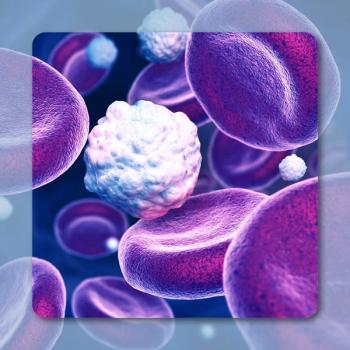
Research from the Icahn School of Medicine at Mount Sinai provides new insights into acute myeloid leukemia (AML) and its resistance to a common treatment.

Nina Bhardwaj, MD, PhD, of Mount Sinai has been elected to the National Academy of Medicine for her pioneering work in cancer immunotherapy.

Press Release
Genetic markers for venetoclax could help personalize treatment and improve outcomes

With a focus on closing gaps in cancer care for underserved populations, Joseph A. Sparano, MD, FACP, always strives to put patients first—a quality that has become a hallmark of his research and career in oncology.

Lunresertib plus camonsertib demonstrated efficacy and safety in heavily pretreated endometrial cancer and platinum-resistant ovarian cancer.
Mary B. Beasley, MD, discusses molecular testing challenges in non–small cell lung cancer and pancreatic cancer.
Mary B. Beasley, MD, discusses the multidisciplinary management of NRG1 fusion–positive non–small cell lung cancer and pancreatic cancer.
Mary B. Beasley, MD, discusses the role of pathologists in molecular testing in non–small cell lung cancer and pancreatic cancer.
Mary B. Beasley, MD, discusses the role of RNA and other testing considerations for detecting NRG1 and other fusions in solid tumors.
Mary B. Beasley, MD, discusses the prevalence of NRG1 fusions in non–small cell lung cancer and pancreatic cancer.
Joseph A. Sparano, MD, details the next generation of CDK inhibitors such as BLU-222 targeting CDK2 and PF-07220060 targeting CDK4.
Josep Llovet, MD, discusses the effiacy of TACE treatment with or without lenvatinib plus pembrolizumab in intermediate-stage hepatocellular carcinoma.

Experts discuss key takeaways and closing thoughts on antibody-drug conjugates (ADCs) in cancer treatment.
Ronan Kelly, MD, MBA, offers insights on the future for HER2-directed antibody-drug conjugates.
Ronan Kelly, MD, MBA, offers insights on trastuzumab deruxtecan approval as tumor-agnostic HER2-directed therapy.
Key opinion leaders examine promising antibody-drug conjugates (ADCs) in the pharmaceutical development pipeline.
Expert clinicians offer strategic guidance on optimal sequencing of antibody-drug conjugates (ADCs) in treatment protocols.
Experts provide clinical insights on the management of emetogenicity in patients receiving antibody-drug conjugates.
A panel of experts discuss hematologic adverse events associated with antibody-drug conjugate therapies.