

Fred R. Hirsch, MD, PhD, discusses the pros and cons of completing a tissue biopsy compared with a liquid biopsy in non–small cell lung cancer.
Fred R. Hirsch, MD, PhD, discusses the pros and cons of completing a tissue biopsy compared with a liquid biopsy in non–small cell lung cancer.
Sundar Jagannath, MBBS, discusses the potential use of linvoseltamab in patients with triple-class–exposed, relapsed/refractory multiple myeloma.

Fred R. Hirsch, MD, PhD, discusses the role of molecular testing in non–small cell lung cancer.

Triparna Sen, PhD, discusses the importance of identifying actionable or targetable biomarkers for the management of small cell lung cancer.

Fred R. Hirsch, MD, PhD, discusses the activity of HER3-directed agents in patients with non–small cell lung cancer harboring NRG1 mutations.

Thomas Marron, MD, PhD, of The Tisch Cancer Institute at Mount Sinai, discusses the ways cancer attacks the bone marrow and immune system.
Sundar Jagannath, MBBS, discusses outcomes with linvoseltamab vs teclistamab in patients with triple-class–exposed, relapsed/refractory multiple myeloma.

Linvoseltamab elicited outcomes equivalent to those seen with teclistamab in patients with triple-class exposed relapsed/refractory multiple myeloma.

Sundar Jagannath, MBBS, discusses takeaways from the FDA’s ODAC consensus on safety considerations with cilta-cel in relapsed/refractory multiple myeloma.

Sundar Jagannath, MBBS, discusses the safety of linvoseltamab in relapsed/refractory multiple myeloma.
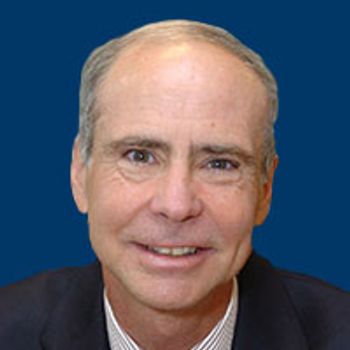
Following the consensus that the risk-benefit assessments for the proposed indications for cilta-cel and ide-cel were favorable during the March 15, 2024, FDA ODAC meeting, both BCMA-targeted CAR T-cell therapies received approvals moving them up in the treatment paradigm for relapsed or refractory multiple myeloma.

Sundar Jagannath, MBBS, discusses the patient population evaluated in the LINKER-MM1 trial of linvoseltamab in relapsed/refractory multiple myeloma.
Sundar Jagannath, MBBS, discusses linvoseltamab and expands on key efficacy and safety findings from the LINKER-MM1 trial in patients with relapsed/refractory multiple myeloma.

Sundar Jagannath, discusses the potential role for linvoseltamab in relapsed/refractory multiple myeloma.
Sundar Jagannath, MBBS, discusses the mechanism of action and tolerability of linvoseltamab in patients with relapsed/refractory multiple myeloma.
Linvoseltamab elicited responses with acceptable safety in patients with relapsed/refractory multiple myeloma, including difficult-to-treat subsets
Dmitriy Zamarin, MD, PhD, discusses the most recent advances in gynecologic cancer management, particularly in endometrial cancer.

Matthew Galsky, MD, discusses the significance of the FDA approval of frontline nivolumab plus chemotherapy patients with metastatic urothelial carcinoma.

Dmitriy Zamarin, MD, PhD, highlights key changes and ongoing research across the endometrial, ovarian, and cervical cancer realms.

Joshua Richter, MD, discusses ongoing or upcoming research with bispecific antibodies in relapsed/refractory multiple myeloma.

Press Release
In a trial led by the Icahn School of Medicine at Mount Sinai, rusfertide demonstrated the ability to control the overproduction of RBCs in polycythemia vera.

A study sheds light on how immune genetics influence lung cancer risk, potentially paving the way for enhanced prevention strategies and screening.

Rusfertide displayed activity in phlebotomy-dependent polycythemia vera.

The FDA has determined that sufficient criteria have been met to withdraw the approval for melphalan flufenamide in patients with multiple myeloma.

Matthew Galsky, MD, discusses the significance of the FDA approval of enfortumab vedotin plus pembrolizumab as a first-line regimen in urothelial cancer.

Matthew Galsky, MD, discusses the FDA approval of enfortumab vedotin plus pembrolizumab in metastatic urothelial carcinoma.

Dr Galsky discusses the FDA approval of enfortumab vedotin plus pembrolizumab for patients with locally advanced or metastatic urothelial cancer.

John Mascarenhas, MD, discusses the potential advantages of utilizing selinexor with ruxolitinib in patients with JAK inhibitor–naive myelofibrosis.

Press Release
Diagnosing early-stage lung cancer with low-dose computed tomography screening drastically improves the survival rate of cancer patients over a 20-year period, according to a large-scale international study being presented by Mount Sinai researchers at the annual meeting of the Radiological Society of North America.

Press Release
Groundbreaking study opens new avenues for future treatment and diagnosis.