Mount Sinai Tisch Cancer Center | Strategic Alliance Partners
Latest from Mount Sinai Tisch Cancer Center

The Department of Immunology and Immunotherapy and the Icahn Genomics Institute at the Icahn School of Medicine at Mount Sinai have been awarded a $5 million grant from the National Cancer Institute of the National Institutes of Health to establish a state-of-the-art center dedicated to the discovery and development of cutting-edge targets for cancer therapy.

Marina Kremyanskaya, MD, PhD, discusses disease and patient characteristics that influence the choice between hydroxyurea and interferon therapy for patients with polycythemia vera or essential thrombocythemia.

Joseph A. Sparano, MD, FACP, discusses developments in breast cancer diagnosis and treatment.

Joshua Richter, MD, discusses how bispecific antibodies fit into the current treatment armamentarium for patients with multiple myeloma, highlighting his presentation from the 41st Annual CFS®.
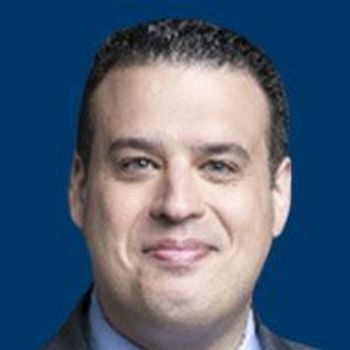
Joshua Richter, MD, provides an overview of the current state of bispecific antibodies in multiple myeloma, discusses ongoing investigations of these agents, and expands on their unique toxicities and the need for proactive management.
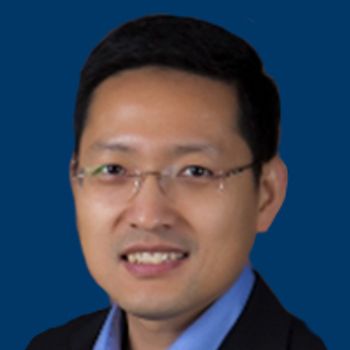
Investigators at the Icahn School of Medicine at Mount Sinai have designed an innovative RNA-based strategy to activate dendritic cells—which play a key role in immune response—that eradicated tumors and prevented their recurrence in mouse models of melanoma.

The Mount Sinai Medical Legal Partnership, which provides legal aid to Mount Sinai Health System patients in need, has launched a clinic to help breast cancer patients navigate legal issues that arise due to their diagnoses.

A first-of-its-kind study unveils how diabetes drives multiple myeloma growth and differences in survival outcomes for Black versus white patients with both conditions
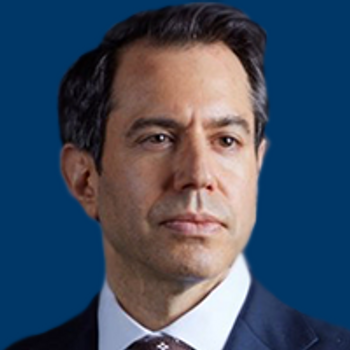
A clinical trial co-led by Mount Sinai researchers is the first to show that using chemotherapy with immunotherapy resulted in improved survival in patients with an advanced type of bladder cancer.

Nicholas C. Rohs, MD, delves into the details of the case study a patient who had a lung cancer relapse detected following a referral to a dermatologist due to pityriasis rubra pilaris.
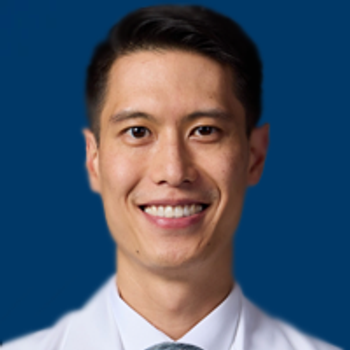
Andrew L. Ji, MD, is working to better understand cutaneous squamous cell carcinoma —a skin cancer that is the second most common cancer in the United States and one that causes substantial morbidity, with a considerable risk for metastatic spread and death.

Nicholas C. Rohs, MD, discusses a case study that he presented during the Interesting Cases session at the 18th Annual New York Lung Cancers Symposium®.

The National Cancer Institute has awarded the Icahn School of Medicine at Mount Sinai a $3.4 million grant to create a model that identifies the best prostate cancer treatment for people with HIV.
Douglas A. Tremblay, MD, discusses the prevalence of myelodysplastic syndrome/myeloproliferative neoplasm overlap syndromes and the evolving treatment paradigm for these diseases.

Mount Sinai investigators have developed a new approach for treating invasive bladder cancer without the need for surgical removal of the bladder, according to a recently published study.
Mount Sinai study is first to document association that had been hypothesized.
The Mount Sinai Health System has received a $7 million grant from the Multiple Myeloma Research Foundation for a three-year project that aims to fast-track novel translational concepts to improve outcomes for people with high risk myeloma, the second most common blood cancer in the United States.

Miriam Merad, MD, PhD, an esteemed immunologist at the Icahn School of Medicine at Mount Sinai, has been elected to the National Academy of Medicine in recognition of her pioneering contributions to the fields of immunology and cell biology.

Marina Kremyanskaya, MD, PhD, discusses the safety profile and future implications of rusfertide in the treatment of patients with phlebotomy-dependent polycythemia vera, as seen in the phase 2 REVIVE trial.
Marina Kremyanskaya, MD, PhD, discusses the potential advantages of using rusfertide to treat patients with phlebotomy-dependent polycythemia vera, as seen in the phase 2 REVIVE trial.

John Mascarenhas, MD, discusses the goals of the phase 1/2 KRT-232-109 study evaluating the addition of the first-in-class MDM2 inhibitor navtemadlin to ruxolitinib in patients with primary or secondary myelofibrosis and highlights the eligibility criteria of this trial.

John Mascarenhas, MD, discusses the rationale for adding the first-in-class MDM2 inhibitor navtemadlin to ruxolitinib in patients receiving treatment for primary or secondary myelofibrosis who have previously had suboptimal responses with ruxolitinib.
Deborah B. Doroshow, MD, PhD, discusses the similarities and differences between the efficacy and safety profiles of pralsetinib and selpercatinib in patients with non–small cell lung cancer harboring RET fusions.

Marina Kremyanskaya, MD, PhD, details the outcomes of the phase 2 trial, expands on the potential implications for rusfertide in the treatment of patients with PV, and detailed the next steps for investigating the agent in this patient population.
Deborah B. Doroshow, MD, PhD, discusses the efficacy and toxicity profiles of pralsetinib and selpercatinib and how they influence treatment selection for patients with RET fusion–positive non–small cell lung cancer, and provides insight on several areas of ongoing or potential research in lung cancer.

Matthew Galsky, MD, discusses how updated findings from the phase 3 CheckMate 274 study confirm the efficacy of adjuvant systemic immunotherapy in metastatic urothelial carcinoma.

The Mount Sinai Health System's esophagectomy program has received a three-star overall composite score from the Society of Thoracic Surgeons.
Matthew Galsky, MD, discusses final results from the phase 3 IMvigor130 trial in patients with metastatic urothelial cancer.

John O. Mascarenhas, MD, discusses the design and rationale of the KRT-232-109 trial, key findings from the trial, and potential future directions of the study.

John Mascarenhas, MD, discusses initial clinical activity observed with the addition of the first-in-class MDM2 inhibitor navtemadlin to ruxolitinib in primary or secondary myelofibrosis.
