
Opinion|Videos|January 7, 2026
CAR-T and Radioligand Therapies for Treatment of NETS
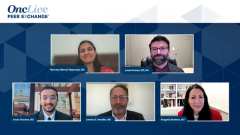
Experts discuss the promising future of CAR-T therapy and radioligand treatments for neuroendocrine tumors, highlighting new trials and potential breakthroughs.
Advertisement
Episodes in this series
The specialists discussed the future of neuroendocrine tumor (NET) therapy, highlighting emerging modalities such as CAR T-cell therapy and antibody-drug conjugates. Dr. Arshad emphasized that CAR T therapy, though early in development for NETs, has the potential to transform the treatment landscape by targeting tumor-specific antigens such as somatostatin receptors or CDH17, which are also expressed in other GI cancers. Early experience from hematologic malignancies shows deep, antigen-directed responses, but translating this to solid tumors presents challenges including antigen heterogeneity and oO-tumor toxicity. Strategies to overcome these hurdles include careful antigen selection, engineered safety switches, regional delivery, dose titration, and rigorous monitoring for CRS and neurotoxicity. While NETs have lagged behind other cancers in these innovations, there is significant potential for rapid progress, with ongoing research in cell-based therapies and antibody-drug conjugates poised to expand treatment options for patients who have exhausted conventional therapies like SSAs, PRRT, and targeted agents.
Advertisement
Related to this article
Aglatimagene besadenovec plus EBRT was linked to a 41% lower risk of prostate cancer recurrence or death, alongside durable immune activity.

In case you missed any, read a recap of the episodes of OncLive On Air that aired in September 2026.
Japan approved Optune Pax plus gemcitabine and nab-paclitaxel for unresectable locally advanced pancreatic cancer.
A pilot study represents a milestone toward testing a faster, more powerful, and potentially less-toxic form of radiation therapy for cancer treatment.
Oral azacitidine and cedazuridine met the end point of total cycle azacitidine exposure vs subcutaneous azacitidine in MDS or CMML.
UTRxMYCN M1-14 received orphan drug status for soft tissue sarcoma and RPDD for rhabdomyosarcoma.
Interim data showed that the BCMA-directed CAR T-cell therapy NXC-201 generated complete responses in relapsed/refractory AL amyloidosis.
Estelamari Rodriguez, MD, MPH, discusses the rationale, design, and practice implications of the phase 3 RELATIVITY-1093 trial in nonsquamous NSCLC.
Advertisement
Advertisement
Trending on OncLive
1
FDA Grants Fast Track Designation to Plinabulin Plus Docetaxel in Post-ICI Non-Squamous NSCLC
2
Oral Azacitidine and Cedazuridine Meets Primary Pharmacokinetic End Point in MDS and CMML
3
Optune Pax Is Approved in Japan for Unresectable Locally Advanced Pancreatic Cancer
4
UTRxMYCN M1-14 Nets FDA Dual Designations in Soft Tissue Sarcoma
5