
Opinion|Videos|November 25, 2026
Emerging Therapies and Biomarkers in Squamous NSCLC
In this segment, the panel discusses the clinical data and biomarker developments they anticipate over the next 12 to 24 months for patients with advanced squamous non-small cell lung cancer (NSCLC), particularly after progression on immunotherapy.
Advertisement
Episodes in this series
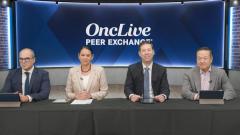
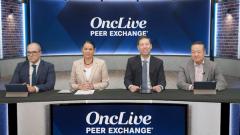
In this segment, the panel discusses the clinical data and biomarker developments they anticipate over the next 12 to 24 months for patients with advanced squamous non-small cell lung cancer (NSCLC), particularly after progression on immunotherapy. Dr. Narjust Florez highlights the potential for improved biomarker identification to revisit therapeutic approaches that previously showed limited activity in broader populations, including TROP2-directed antibody-drug conjugates, with computational pathology potentially helping identify relevant subgroups. The panel also discusses emerging bispecific therapies and the potential relevance of PD-L1 and interleukin-2-directed approaches. Dr. Edward Kim emphasizes the importance of revisiting previously studied therapies as biomarker strategies and drug development evolve, while recognizing the distinct biology of squamous NSCLC compared with nonsquamous disease. Dr. Christian Rolfo highlights several ongoing studies and emphasizes the importance of reproducibility across geographic regions, randomized trial designs, lower toxicity, and sufficient evidence to support potential changes in treatment standards. The panel underscores biomarker development as an important area for future investigation in squamous NSCLC.
Advertisement
Related to this article
Paul E. Oberstein, MD, discusses SAR445877’s mechanism of action, the need for immunotherapy in MSS CRC, and strategies for moving novel agents earlier.
Neeta Somaiah, MD, discusses exon 9 and crossover data from the PEAK trial of bezuclastinib plus sunitinib and velzatinib activity in KIT-mutated GIST.
Lauren Banks, MD, PhD, discusses feasibility, safety, and next steps for lifileucel TIL therapy in sarcomas.
Roswell Park outlines a model for partnerships between Native Nations and cancer centers to advance culturally appropriate care and research.
The approval is supported by phase 3 PEAK data showing a median PFS of 16.5 months with bezuclastinib plus sunitinib vs 9.2 months with sunitinib.
Retrospective data showed that Orca-T was associated with higher overall survival and lower nonrelapse mortality vs registry-based PTCy in high-risk hematologic malignancies.
The changes mirror iberdomide's REMS, allowing at-home pregnancy testing in some cases and dropping certain patient surveys.
Tony R. Reid, MD, PhD, discusses AdAPT-001 plus checkpoint inhibition in checkpoint inhibitor–refractory angiosarcoma, its safety, and re-treating lesions.
Advertisement
Advertisement
Trending on OncLive
1
Lifileucel Shows Feasibility and Promise in Sarcoma
2
Dr Sallman on How Bleximenib Compares With Other Menin Inhibitors in R/R AML
3
New Data Reinforce the Strength of TKIs in Advanced GIST
4
SAR445877-Based Treatment Could Pave the Way for Immunotherapy Activity in MSS CRC
5