
Opinion|Videos|November 25, 2026
Second-Line Treatment Strategies in Squamous NSCLC
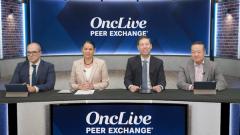
In this segment, the panel discusses factors that inform treatment selection for patients with advanced squamous non-small cell lung cancer (NSCLC) who progress after first-line chemoimmunotherapy.
Advertisement
Episodes in this series
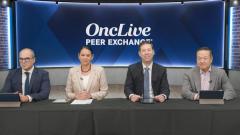
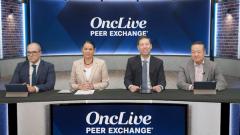
In this segment, the panel discusses factors that inform treatment selection for patients with advanced squamous non-small cell lung cancer (NSCLC) who progress after first-line chemoimmunotherapy. Dr. Christian Rolfo emphasizes reassessing patients for actionable biomarkers and considering whether molecular findings identified with current testing could provide additional treatment options. The experts also discuss the potential role of local therapy for patients with oligoprogression, including radiation or ablative approaches, as well as consideration of central nervous system disease and the ability of subsequent therapies to address CNS involvement. Duration of benefit from first-line treatment and the patient's residual toxicities are also identified as important factors when selecting subsequent therapy. Dr. Narjust Florez highlights the limited and often toxic treatment options currently available and emphasizes collaboration across the thoracic oncology community, broader clinical trial access, and bringing trials closer to patients in community settings. Dr. Edward Kim discusses the importance of continued development of second-line therapies and notes that effective treatments may eventually move into earlier lines of therapy. The panel concludes by emphasizing clinical trial participation, treatment tolerability, and continued innovation in squamous NSCLC.
Advertisement
Related to this article
Paul E. Oberstein, MD, discusses SAR445877’s mechanism of action, the need for immunotherapy in MSS CRC, and strategies for moving novel agents earlier.
Neeta Somaiah, MD, discusses exon 9 and crossover data from the PEAK trial of bezuclastinib plus sunitinib and velzatinib activity in KIT-mutated GIST.
Lauren Banks, MD, PhD, discusses feasibility, safety, and next steps for lifileucel TIL therapy in sarcomas.

Roswell Park outlines a model for partnerships between Native Nations and cancer centers to advance culturally appropriate care and research.

The approval is supported by phase 3 PEAK data showing a median PFS of 16.5 months with bezuclastinib plus sunitinib vs 9.2 months with sunitinib.

Retrospective data showed that Orca-T was associated with higher overall survival and lower nonrelapse mortality vs registry-based PTCy in high-risk hematologic malignancies.
The changes mirror iberdomide's REMS, allowing at-home pregnancy testing in some cases and dropping certain patient surveys.
Tony R. Reid, MD, PhD, discusses AdAPT-001 plus checkpoint inhibition in checkpoint inhibitor–refractory angiosarcoma, its safety, and re-treating lesions.
Advertisement
Advertisement
Trending on OncLive
1
Lifileucel Shows Feasibility and Promise in Sarcoma
2
Dr Sallman on How Bleximenib Compares With Other Menin Inhibitors in R/R AML
3
New Data Reinforce the Strength of TKIs in Advanced GIST
4
SAR445877-Based Treatment Could Pave the Way for Immunotherapy Activity in MSS CRC
5