



CAR T-Cell Therapy
Latest News
Advertisement
Latest Videos
























































Advertisement
More News

CAR T-cell therapy and bispecific antibodies for T-cell redirection are 2 recent immune strategies developed in the treatment of multiple melanoma.

Significant progress with rapidly evolving therapies, including blinatumomab, inotuzumab ozogamicin, and CAR T-cell therapy, has been made to extend the median overall survival and improve outcomes for patients with relapsed/refractory B-cell acute lymphoblastic leukemia.

Increases investigative efforts into bispecific monoclonal antibodies could lead to their availability to treat a broad range of hematologic and solid cancers. Their current use in practice is limited to non–small cell lung cancer, leukemia, and hemophilia.

The FDA has extended the Prescription Drug User Fee Act target date for the biologics license application seeking the approval of the CAR T-cell therapy ciltacabtagene autoleucel for use in adult patients with relapsed and/or refractory multiple myeloma.
Dr. Shah discusses the FDA approval of brexucabtagene autoleucel in relapsed/refractory B-cell acute lymphoblastic leukemia, key findings from the pivotal ZUMA-3 trial, and next steps with CAR T-cell therapy in the field.
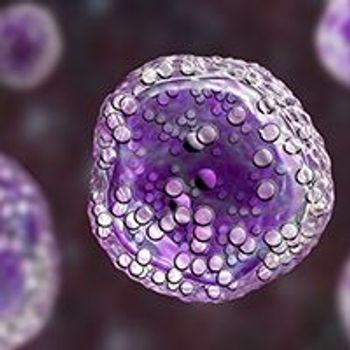
Although CAR T-cell therapies have demonstrated unprecedented activity in patients with heavily pretreated relapsed/refractory hematologic malignancies, they are marked by a significant risk of infections and may limit the efficacy of COVID-19 vaccines.
Dr. Abid discusses immune-compromising factors that are indigenous to CAR T-cell therapy recipients, the immunogenic potential of different COVID-19 vaccines, determinants of vaccine responses, and the potential need for booster vaccine dosing in this population.
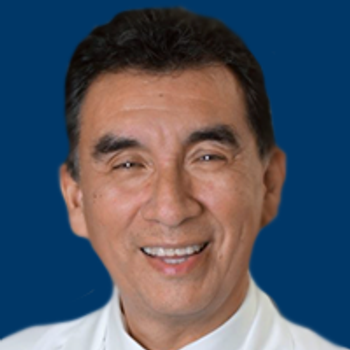
Marco Ruiz, MD, discusses the new HIV/Cancer Clinic and its goals, challenges faced with patients who have cancer and HIV infection, and clinical trial opportunities that strive to move the needle forward.

Muhammad Bilal Abid, MD, MRCP, discusses the potential impact of CAR T-cell therapy on the efficacy of COVID-19 vaccinations.

The allogeneic CD19-targeted CAR T-cell therapy CTX110 was found to elicit encouraging responses with favorable tolerability in patients with relapsed or refractory B-cell malignancies, according to data from the phase 1 CARBON trial.

The FDA approval of the first chimeric antigen receptor T-cell therapy in March 2021 for the treatment of relapsed/refractory multiple myeloma represents a significant advance.

The FDA has placed a hold on clinical trials examining Allogene Therapeutics, Inc.’s allogeneic CAR T-cell therapies for patients with cancer, following a report of a chromosomal abnormality in ALLO-501A CAR T cells in a patient who received treatment in the phase 1/2 ALPHA2 study.
The FDA has approved brexucabtagene autoleucel as a treatment for adult patients with relapsed/refractory B-cell precursor acute lymphoblastic leukemia.
A supplemental biologics license application has been submitted to the FDA to expand the current indication of the CAR T-cell therapy axicabtagene ciloleucel to include the second-line treatment of adult patients with relapsed/refractory large B-cell lymphoma.

Treatment with CD19-22.BB.z-CAR, a bispecific CAR T-cell therapy targeting CD19 and CD22, elicited high response rates and was well tolerated in adult patients with relapsed/refractory, CD19-positive B-cell acute lymphoblastic leukemia and large B-cell lymphoma.

The FDA has granted a fast track designation to the HER2-directed CAR macrophage CT-0508 for use as a potential therapeutic option in patients with solid tumors.
Adam D. Cohen, MD, discusses mitigation strategies that can be used for patients with relapsed/refractory multiple myeloma who are receiving the CAR T-cell therapy ciltacabtagene autoleucel.
Alex Herrera, MD, discusses the potential for CAR T-cell therapy in earlier lines of treatment for patients with diffuse large B-cell lymphoma.
Frits van Rhee, MD, PhD, discusses the clinical implications of CAR T-cell therapy for patients with relapsed/refractory multiple myeloma.
Krina K. Patel, MD, MSc, discusses mitigating CAR T-cell therapy–related cytokine release syndrome in multiple myeloma.
Larry Anderson, MD, PhD, discusses the challenges faced with CAR T-cell therapy in patients with multiple myeloma.
Nina Shah, MD, discusses unmet needs with CAR T-cell therapy in multiple myeloma.
Existing racial and socioeconomic disparities among patients with T-cell non-Hodgkin lymphoma continue to lead to obstacles with access for newly available treatment options.

CAR T-cell products targeting CD19 are eliciting clinical activity in patients with indolent non-Hodgkin lymphoma, as seen in the ZUMA-5, SCHOLAR-5, and ELARA trials, but longer follow-up will showcase the true potential of this treatment in this subpopulation.
The CAR T-cell therapy ciltacabtagene autoleucel has emerged as a potentially durable treatment strategy for patients with relapsed/refractory multiple myeloma who have progressed on 1 to 3 prior lines of treatment and are refractory to lenalidomide.
Advertisement
Advertisement
Trending on OncLive
1
FDA Approval of Dostarlimab Brings Potential Organ-Sparing Approach in dMMR Locally Advanced Rectal Cancer
2
Casdatifan Demonstrates Activity in Advanced Clear Cell RCC
3
Treatment Tailoring and Weighing Alternative Formulations Support Optimal TKI Deployment in CML
4
HER2+ Maintenance Therapy Approvals and Innovative Brain Metastasis Care Reshape Breast Cancer Management
5