
CAR T-Cell Therapy
Latest News
Advertisement
Latest Videos























































Advertisement
More News
Lori A. Leslie, MD, and Andre H. Goy, MD, discuss next steps with CAR T-cell therapy.

Sundar Jagannath, MBBS, discusses the significance of the FDA approval of ciltacabtagene autoleucel, important adverse effects to be aware of, and shared his thoughts on where the treatment fits into the current and future treatment paradigms.
Oliver Van Oekelen, MD, MSc, discusses findings from a retrospective study that evaluated treatment and efficacy outcomes in patients with relapsed or refractory multiple myeloma who experienced disease progression after BCMA-directed CAR T-cell therapy.
The FDA has approved ciltacabtagene autoleucel for the treatment of adult patients with relapsed and/or refractory multiple myeloma following 4 or more prior lines of therapy, including a proteasome inhibitor, an immunomodulatory agent, and an anti-CD38 monoclonal antibody.

The FDA has accepted and granted priority review to a supplemental biologics license application seeking the approval of the CAR T-cell therapy lisocabtagene maraleucel for the treatment of adult patients with relapsed/refractory large B-cell lymphoma in whom frontline therapy has failed.
The FDA has placed a clinical hold on a phase 1 trial evaluating the safety and efficacy of the autologous CAR T-cell product LB1901 as a potential therapeutic option in adult patients with relapsed or refractory T-cell lymphoma.
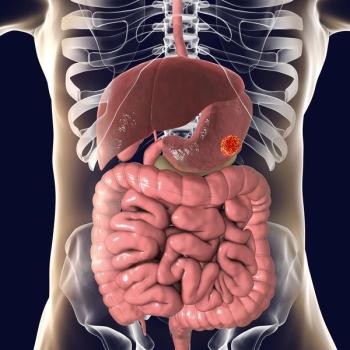
The FDA has granted an orphan drug designation to the off-the-shelf natural killer cell therapy CYNK-101 as a potential treatment for patients with advanced HER2-positive gastric or gastroesophageal junction adenocarcinoma.
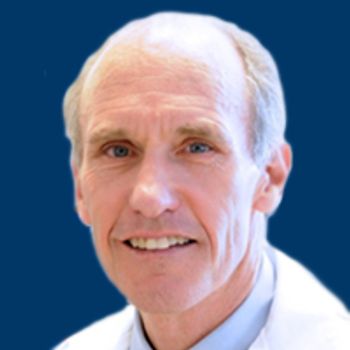
Treatment with CD19-specific CAR T cells resulted in durable remission lasting more than 10 years for 2 patients with chronic lymphocytic leukemia.
The FDA has approved an update to the prescribing information for axicabtagene ciloleucel to include use of prophylactic corticosteroids across all approved indications.
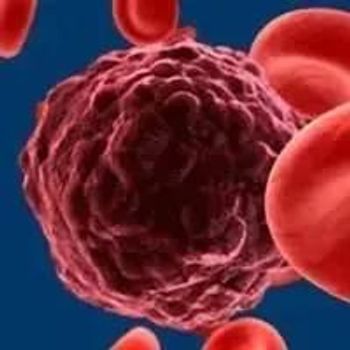
The European Medicines Agency’s Committee for Medicinal Products for Human Use has recommended the approval of lisocabtagene maraleucel for the treatment of adult patients with relapsed or refractory diffuse large B-cell lymphoma, primary mediastinal large B-cell lymphoma, and follicular lymphoma grade 3B following 2 or more lines of systemic therapy.
John Lister, MD, discusses selecting patients with lymphoma for CAR T-cell therapy.
Kim A. Reiss Binder, MD, discusses the rationale behind the first-in-human study of adenovirally transduced anti-HER2 CAR-Ms and where the research will be heading in the future.
Patients with relapsed or refractory large B-cell lymphoma experienced better quality of life when they received second-line treatment with lisocabtagene maraleucel vs standard of care.
YTB323, a novel, autologous CD19-directed CAR-T cell therapy, displayed a favorable safety profile and efficacy across multiple dose levels in adult patients with relapsed/refractory diffuse large b-cell lymphoma.

Frontline treatment with axicabtagene ciloleucel demonstrated rapid and durable responses in patients with high-risk large B-cell lymphoma.
Ciltacabtagene autoleucel elicited a 97.9% objective response rate and an 82.5% stringent complete response rate in patients with relapsed/refractory multiple myeloma at a median of approximately 2 years of follow-up.
Dr. Shah and Dr. Wang discuss the management of cytokine release syndrome and neurotoxicity, the referral process, and the need for academic and community collaboration for CAR T-cell therapy in hematologic malignancies.

Axicabtagene ciloleucel, an autologous anti-CD19 CAR T-cell therapy, resulted in clinically meaningful improvement in quality of life at day 100 compared with standard of care as a second-line treatment of patients with relapsed/refractory large B-cell lymphoma.
Tisagenlecleucel demonstrated encouraging real-world efficacy and a favorable safety profile that was consistent with findings from the pivotal phase 2 JULIET trial in patients with relapsed/refractory diffuse large B-cell lymphoma or high-grade B-cell lymphoma.
Bijal Shah, MD, MS, discussed the results of the ZUMA-3 trial and how this approval will enhance the treatment of patients with relapsed or refractory B-cell precursor ALL.
Lisocabtagene maraleucel demonstrated durable responses and a favorable safety profile in patients with relapsed/refractory large B-cell lymphoma.
Bijal Shah, MD, MS, and Michael Wang, MD, discuss the need for collaboration between academic and community practices for patients who receive CAR T-cell therapy.
Bijal Shah, MD, MS, and Michael Wang, MD, discuss the challenges of managing high-risk mantle cell lymphoma.
Bijal Shah, MD, MS, and Michael Wang, MD, discuss navigating the referral process for CAR T-cell therapy in hematologic malignancies.
Bijal Shah, MD, MS, and Michael Wang, MD, discuss management strategies for CAR T-cell therapy–related cytokine release syndrome and neurotoxicity in leukemia and lymphoma.
Advertisement
Advertisement
Trending on OncLive
1
FDA Approval of Dostarlimab Brings Potential Organ-Sparing Approach in dMMR Locally Advanced Rectal Cancer
2
Casdatifan Demonstrates Activity in Advanced Clear Cell RCC
3
Treatment Tailoring and Weighing Alternative Formulations Support Optimal TKI Deployment in CML
4
HER2+ Maintenance Therapy Approvals and Innovative Brain Metastasis Care Reshape Breast Cancer Management
5