


CAR T-Cell Therapy
Latest News
Advertisement
Latest Videos



























































Advertisement
More News

Nina Shah, MD, discusses the newfound role of BCMA-directed CAR T-cell therapies in multiple myeloma, how the field may select between ide-cel and cilta-cel if the latter is approved, and novel cellular therapies in clinical development.
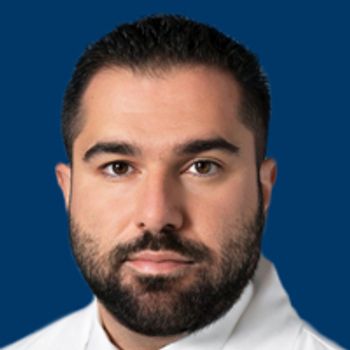
Arsen Osipov, MD, discusses the potential for ongoing research with immunotherapeutic approaches in gastrointestinal malignancies, including CAR T-cell therapy, bispecific T-cell engagers, and vaccines.
Michael R. Grunwald, MD, FACP, discusses the established and potential utility of tisagenlecleucel in patients with acute lymphoblastic leukemia.
Dr. Abramson discusses the significance of the FDA approval of lisocabtagene maraleucel in refractory large B-cell lymphoma and provided insight into the efficacy and safety profiles of the CAR T-cell therapy as reported in the TRANSCEND NHL 001 trial.

A marketing authorization application has been submitted to the European Medicines Agency for the approval of the CAR T-cell therapy ciltacabtagene autoleucel in the treatment of patients with relapsed and/or refractory multiple myeloma.
Sequential therapy with CD19.28ζ-directed CAR T cells followed by allogeneic hematopoietic stem cell transplant induced durable disease control in a significant population of children and young adult patients with relapsed/refractory B-cell acute lymphoblastic leukemia.
Michael R. Grunwald, MD, FACP, discusses the efficacy of 19-28z CAR T-cell therapy in B-cell acute lymphoblastic leukemia.
Michael Grunwald, MD, discusses the evolving landscape of cellular therapy in acute leukemias and key research efforts and hypotheses aimed at addressing ongoing challenges.

Saad Z. Usmani, MD, FACP, discusses the rapidly changing cellular therapy paradigm in relapsed/refractory multiple myeloma.
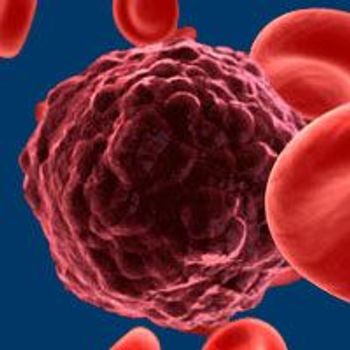
The rolling submission of a biologics license application to support the approval of the investigational BCMA-directed CAR T-cell therapy ciltacabtagene autoleucel for the treatment of patients with relapsed/refractory multiple myeloma has been completed.

A supplement biologics license application has been submitted to the FDA for brexucabtagene autoleucel as a treatment for adult patients with relapsed/refractory B-cell precursor acute lymphoblastic leukemia.

CAR T-cell therapies are now incorporated into National Comprehensive Cancer Network guidelines as a recommended third-line strategy in this setting, with the most recent addition being lisocabtagene maraleucel.

The Canada Foundation for Innovation has awarded C$5,187,685 to the Canadian Cancer Trials Group at Queen’s University in Kingston, Ontario, Canada, to fund the infrastructure for a new research platform to coordinate the development of new cancer cell therapies.
Japan’s Ministry of Health, Labour and Welfare has approved lisocabtagene maraleucel, a CAR T-cell therapy designed to target CD19, for the treatment of patients with relapsed or refractory large B-cell lymphoma, as well as relapsed/refractory follicular lymphoma.
The FDA has approved idecabtagene vicleucel as the first BCMA-directed CAR T-cell therapy for patients with relapsed/refractory multiple myeloma after 4 or more prior lines of therapy, including an immunomodulatory agent, a proteasome inhibitor, and an anti-CD38 monoclonal antibody.
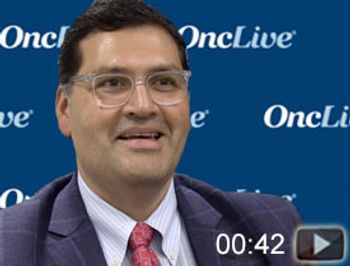
Jesus G. Berdeja, MD, director of Myeloma Research, principal investigator, Sarah Cannon Research Institute, discusses the FDA approval of the chimeric antigen receptor (CAR) T-cell therapy in patients with relapsed/refractory multiple myeloma.

M Lia Palomba, MD, discusses the data from the TRANSCEND-NHL-001 trial and projected how lisocabtagene maraleucel could fit into the treatment paradigm for patients with MCL.
Matthew Lunning, DO, discusses discussed the findings from pivotal CAR T-cell therapy trials in LBCL, the potential to utilize these agents in the outpatient setting, how off-the-shelf allogeneic products could further transform outcomes, and the importance of shortening brain-to-vein time for this patient population.
The real-world utilization of axicabtagene ciloleucel demonstrated favorable outcomes and less frequent toxicity events compared with those reported in the pivotal ZUMA-1 trial and other real-world studies.
Axicabtagene ciloleucel elicited a high objective response rate of 85%, with a complete response rate of 74% when used as a first-line therapy in patients with high-risk large B-cell lymphoma.
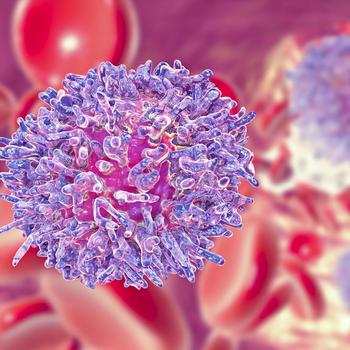
A risk-adapted CD19 CAR T-cell therapy dosing approach allowed pediatric patients with relapsed/refractory acute lymphocytic leukemia to maintain a high rate of remission, while reducing the risk of severe toxicities among those with a high initial disease burden
A phase 2 clinical trial has been initiated to evaluate Descartes-11, an mRNA CAR T-cell therapy, as a consolidative therapy in patients with newly diagnosed, high-risk multiple myeloma who have residual disease after induction therapy.
The FDA has granted an accelerated approval to axicabtagene ciloleucel for the treatment of adult patients with relapsed/refractory indolent follicular lymphoma after 2 or more lines of systemic therapy.
Natural killer cells can offer several advantages over T cells for CAR therapy in that the former uses both a CAR dependent and independent mechanism for tumor eradication, has better safety, and off-the-shelf feasibility—all at a potentially lower cost.
CD19-targeted CAR T-cell therapies have yielded durable remissions in approximately half of all patients with aggressive relapsed/refractory B-cell lymphomas.
Advertisement
Advertisement
Trending on OncLive
1
FDA Approval of Dostarlimab Brings Potential Organ-Sparing Approach in dMMR Locally Advanced Rectal Cancer
2
Casdatifan Demonstrates Activity in Advanced Clear Cell RCC
3
Treatment Tailoring and Weighing Alternative Formulations Support Optimal TKI Deployment in CML
4
HER2+ Maintenance Therapy Approvals and Innovative Brain Metastasis Care Reshape Breast Cancer Management
5