




CAR T-Cell Therapy
Latest News

Advertisement
Latest Videos

































































Advertisement
More News

Noopur Raje, MD, reviews the benefits of quadruplet regimens in the up-front and relapsed settings, treatment options for relapsed/refractory disease, and the possibilities for combinations to minimize toxicities in those who receive CAR T-cell or bispecific antibody therapies.
Noopur Raje, MD, discusses unmet needs with CAR T-cell therapy in multiple myeloma.

Abhinav Deol, MD, discusses the importance of communication and collaboration in CAR T-cell therapy.
Investigators have initiated a phase 1 trial exploring ACLX-001, a novel CAR T-cell therapy using the ARC-SparX platform, in patients with relapsed/refractory multiple myeloma.
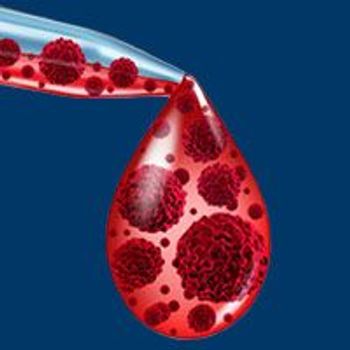
The European Commission has approved the CD19-targeting chimeric antigen receptor T-cell agent tisagenlecleucel for the treatment of adults with relapsed/refractory follicular lymphoma following at least 2 lines of systemic therapy.

Abhinav Deol, MD, discusses shifting CAR T-cell therapy to earlier lines of therapy in cancer care.
Lori A. Leslie, MD, reviews how the approval of axicabtagene ciloleucel may impact or enhance current practice patterns for adult patients with large B-cell lymphoma.

The administration of a third dose of a SARS-CoV-2 mRNA vaccine yielded seroconversion responses in patients treated with hematopoietic cell transplantation or cellular therapy following initial failure of seroconversion after the first 2 vaccine doses.
An investigative follicle-stimulating hormone receptor–mediated CAR T-cell technology is under exploration in patients with recurrent ovarian cancer.

The novel allogeneic CAR-engineered natural killer cell therapies, NKX101 and NKX01, showcased early signs of safety and efficacy when utilized in the treatment of heavily pretreated patients with acute myeloid leukemia and non-Hodgkin lymphoma.

Ciltacabtagene autoleucel generated deep responses and demonstrated manageable safety in patients with progressive multiple myeloma who were refractory to lenalidomide.
The FDA has granted a fast track designation to the CAR T-cell therapy ADI-001 for the treatment of patients with relapsed/refractory B-cell non-Hodgkin lymphoma.
The safety, tolerability, and preliminary efficacy of the anti-HER2 CAR macrophage therapy, CT-0508, will be investigated in patients with solid tumors and HER2 overexpression, as part of a first-in-human phase 1 study.
Resistance to CD19-directed CAR T-cell therapy was associated with molecular characteristics identified in pediatric patients with acute lymphoblastic leukemia.

The T-cell attributes of axicabtagene ciloleucel impacted tumor burden, efficacy outcomes, peak levels of proinflammatory cytokines, and toxicities such as neurologic events and cytokine release syndrome in patients with relapsed/refractory large B-cell lymphoma.

GD2-directed CAR T-cell therapy demonstrated prolonged periods of radiographic and clinical improvement in pediatric and young adult patients with H3K27M-mutated diffuse intrinsic pontine gliomas and spinal diffuse midline gliomas.

Off-the-shelf anti-mesothelin T-cell receptor fusion construct T cells demonstrated prolonged persistence and efficacy in vivo against mesothelin-expressing tumors in mice, compared with gavocabtagene autoleucel.
The China National Medical Products Administration’s Center for Drug Evaluation has granted a breakthrough therapy designation to relmacabtagene autoleucel for use in the treatment of patients with mantle cell lymphoma.

The European Commission has granted marketing authorization to the CD19-directed CAR T-cell therapy lisocabtagene maraleucel for use in adult patients with relapsed or refractory diffuse large B-cell lymphoma, primary mediastinal large B-cell lymphoma, and follicular lymphoma grade 3B following 2 or more lines of systemic treatment.

The FDA has granted a fast track designation to the multigenic autologous CAR T-cell therapy PRGN-3006 for use as a potential therapeutic option in patients with relapsed or refractory acute myeloid leukemia.

Lori A. Leslie, MD, discusses the FDA approval of axicabtagene ciloleucel for second-line relapsed/refractory large B-cell lymphoma.
The FDA has approved axicabtagene ciloleucel for the treatment of adult patients with large B-cell lymphoma that is refractory to first-line chemoimmunotherapy or relapses within 12 months of first-line chemoimmunotherapy.

Investigators at the Perelman School of Medicine at the University of Pennsylvania have recently initiated a clinical trial evaluating a novel CAR T-cell therapy in an effort to fill an unmet need for systemic treatment for patients with advanced incurable medullary thyroid cancer.
The Ministry of Health, Labour, and Welfare has accepted a supplemental new drug application for lisocabtagene maraleucel for the second-line treatment of patients with relapsed or refractory large B-cell lymphoma.
The European Medicines Agency’s Committee for Medicinal Products for Human Use has adopted a positive opinion recommending the approval of tisagenlecleucel for use in adult patients with relapsed/refractory follicular lymphoma following 2 lines of systemic treatment.
Advertisement
Advertisement
Trending on OncLive
1
FDA Approval of Dostarlimab Brings Potential Organ-Sparing Approach in dMMR Locally Advanced Rectal Cancer
2
Casdatifan Demonstrates Activity in Advanced Clear Cell RCC
3
Treatment Tailoring and Weighing Alternative Formulations Support Optimal TKI Deployment in CML
4
HER2+ Maintenance Therapy Approvals and Innovative Brain Metastasis Care Reshape Breast Cancer Management
5