





Genitourinary Cancers
Latest News

February 9th 2018
By Wayne Kuznar
The PARP inhibitor olaparib appeared to complement the antitumor activity of the PD-L1 inhibitor durvalumab in unselected men with metastatic castrate-resistant prostate cancer, according to findings from a phase II study presented at the 2018 Genitourinary Cancers Symposium.
Advertisement
Latest Videos

































































Advertisement
More News

Martin H. Voss, MD, medical oncologist, Memorial Sloan Kettering Cancer Center, explains the case for neoadjuvant therapy in the treatment of kidney cancer.

A new model based on 6 clinical factors may be able to predict overall survival for patients with advanced urothelial cancers being treated with the PD-L1 inhibitor atezolizumab.

The combination of atezolizumab and bevacizumab reduced the risk of progression or death by 26% compared with sunitinib for patients with untreated PD-L1–positive metastatic renal cell carcinoma.
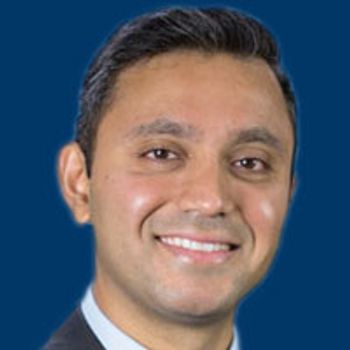
Arjun V. Balar, MD, discusses the landscape of current and future standards of care for immunotherapy in bladder and kidney cancer.
Despite positive clinical trial results, the role of immunotherapy in renal cell carcinoma remains unclear.

Patients with advanced renal cell carcinoma treated with cabozantinib had similar quality of life outcomes as those treated with everolimus.
Arjun V. Balar, MD, assistant professor, Department of Medicine, director, Genitourinary Medical Oncology Program, NYU Langone’s Perlmutter Cancer Center, discusses the potential of existing targeted therapy coupled with immunotherapy to improve overall survival (OS) in patients with kidney cancer.
William C. Huang, MD, associate professor, department of Urology, co-director, Robotics Program, Chief Urology Service, Tisch Hospital, NYU Langone Health, discusses robotic surgery in the treatment of bladder cancer.
Tian Zhang, MD, assistant professor of medicine, Duke University School of Medicine, Duke Cancer Institute, discusses neoadjuvant therapy in kidney cancer.

Rana R. McKay, MD, medical oncologist, assistant professor, Moores Cancer Center at the University of California, San Diego, discusses combinations in renal cell carcinoma.

Cabozantinib (Cabometyx) was associated with an improvement in overall survival and progression-free survival compared with everolimus (Afinitor) in pretreated patients with advanced RCC with bone metastases at baseline.
David F. McDermott, MD, director of the Biologic Therapy Program at Beth Israel Deaconess Medical Center, discusses novel immunotherapy combinations for patients with metastatic renal cell carcinoma (RCC).
Andrea B. Apolo, MD, medical oncologist, chief of the bladder cancer section of the Genitourinary Malignancies Branch, National Cancer Institute, discusses managing immune-related toxicities from checkpoint inhibitors in patients with bladder cancer.

The PD-L1 inhibitor avelumab induced an overall response rate of 17% in patients with platinum-refractory metastatic urothelial carcinoma.
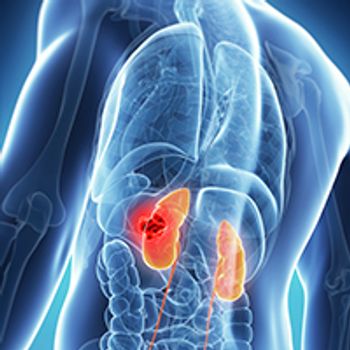
Molecular subtypes of clear-cell renal cell carcinoma were prognostic for outcomes after metastasectomy, with significant differences seen in overall survival and disease-free survival between groupings.

Martin H. Voss, MD, medical oncologist, Memorial Sloan Kettering Cancer Center, discusses treatment in the neoadjuvant setting for patients with kidney cancer.

Elizabeth Plimack, MD, director of Genitourinary Clinical Research at Fox Chase Cancer Center, discusses choosing a checkpoint inhibitor in bladder cancer.

Hans Hammers, MD, PhD, associate professor, Internal Medicine, UT Southwestern Medical Center, discusses the long-term benefits of the CheckMate-214 study in patients with renal cell carcinoma (RCC).
Rana R. McKay, MD, discusses the evolving management of patients with advanced RCC, specifically the future of combinations of with immunotherapy regimens.
David F. McDermott, MD, discusses the successes with immunotherapy in renal cell carcinoma and gave his insight on the future treatment of these patients.
Tian Zhang, MD, assistant professor of medicine, Duke University School of Medicine, Duke Cancer Institute, discusses the tolerability of agents used for the treatment of patients with renal cell carcinoma (RCC).

Julie Graff, MD, assistant professor of medicine, OHSU Knight Cancer Institute, discusses the treatment of prostate cancer.

The FDA has granted the combination of the PD-1 inhibitor pembrolizumab and the VEGF/FGF inhibitor lenvatinib a breakthrough therapy designation for the treatment of patients with advanced and/or metastatic renal cell carcinoma.

Matthew Galsky, MD, professor of medicine, hematology, and medical oncology, Mount Sinai Hospital, discusses the next steps following progression on immunotherapy for patients with bladder cancer.
Rana R. McKay, MD, medical oncologist, assistant professor, Moores Cancer Center at the University of California, San Diego, discusses advances in the treatment of metastatic renal cell carcinoma.
Advertisement
Advertisement
Trending on OncLive
1
Savolitinib Plus Osimertinib NDA Submitted to FDA for MET-Driven, EGFR-Mutated NSCLC After EGFR TKI
2
FDA Grants Priority Review to Elinzanetant for Endocrine Therapy–Associated Vasomotor Symptoms in HR+ Breast Cancer
3
Calculating the Real Cost of False Positive Findings in Cancer Screening
4
Cilta-Cel Shows Long-Term Treatment-Free Remissions in Lenalidomide-Refractory Myeloma
5