
Immuno-Oncology
Latest News
Advertisement
Latest Videos






























































Advertisement
More News
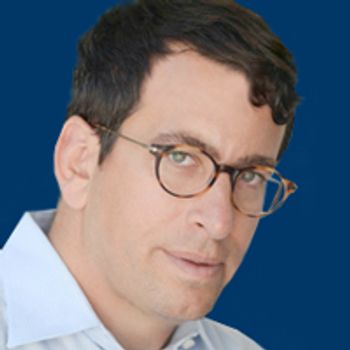
Edward B. Garon, MD, discusseds early findings with pegilodecakin in non–small cell lung cancer.
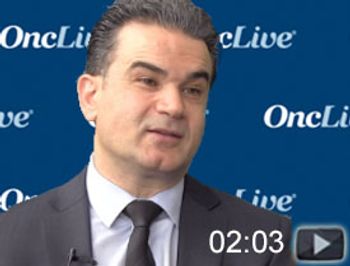
Ahmad Tarhini, MD, PhD, director, Melanoma and Skin Cancer Program, Center for Immuno-Oncology Research, Cleveland Clinic, discusses some recent practice-changing clinical trials in melanoma.
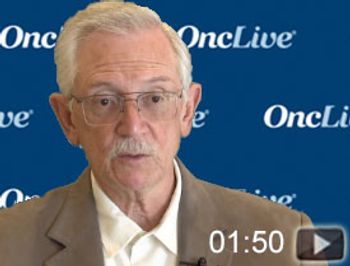
David R. Gandara, MD, director, Thoracic Oncology Program, professor, senior advisor to director, UC Davis Comprehensive Cancer Center, treasurer, International Association for the Study of Lung Cancer, 2017 Giant of Cancer Care in Lung Cancer, discusses treatment options for patients with squamous cell non–small cell lung cancer.
The FDA has granted a full approval to frontline pembrolizumab for use in combination with standard chemotherapy for patients with metastatic nonsquamous non–small cell lung cancer.
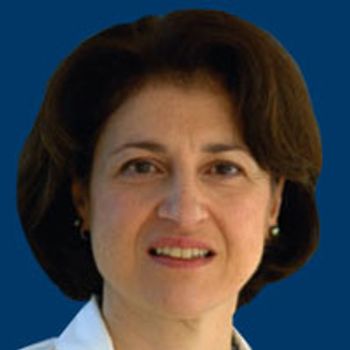
Although checkpoint blocking immunotherapy has significantly improved outcomes for patients with advanced and metastatic disease, researchers believe the modality also may be effective in the neoadjuvant setting.
The FDA has approved single-agent nivolumab for the treatment of patients with small cell lung cancer with disease progression following 2 or more lines of therapy.
Vassiliki Papadimitrakopoulou, MD, professor, Department of Thoracic/Head and Neck Medical Oncology, The University of Texas MD Anderson Cancer Center, discusses the need for more targeted therapies in non–small cell lung cancer.
Paul A. Bunn Jr, MD, distinguished professor, Division of Medical Oncology, James Dudley Chair in Lung Cancer Research, University of Colorado Denver, 2014 Giant of Cancer Care in Lung Cancer, discusses tumor mutational burden as a biomarker in small cell lung cancer.
James Larner, MD, discusses the process by which radiation interacts with the immune system and how physicians are working to improve treatment responses for patients with non–small cell lung cancer.
Apar Kishor Ganti, MD, discusses some of the most intriguing abstracts in lung cancer recently presented at medical meetings.
Benjamin A. Youngblood, PhD, assistant member, Department of Immunology, St. Jude Children’s Research Hospital, discusses the impact of T-cell differentiation and exhaustion in pediatric cancer.
Vicky Makker, MD, medical oncologist, Memorial Sloan Kettering Cancer Center, discusses the synergy between lenvatinib and pembrolizumab in the treatment of patients with endometrial cancer.
David Ross Camidge, MD, PhD, professor, Division of Medical Oncology, Joyce Zeff Chair in Lung Cancer Research, School of Medicine, Division of Medical Oncology, University of Colorado, discusses biomarker combinations in non–small cell lung cancer (NSCLC).
Roy S. Herbst, MD, PhD, professor of Medicine, chief of Medical Oncology, Yale Cancer Center and Smilow Cancer Hospital, discusses key immunotherapy findings in non–small cell lung cancer, presented at the 2018 ASCO Annual Meeting.
Alexander R. Menter, MD, oncologist, Kaiser Permanente, discusses the use of neoadjuvant immunotherapy in patients with early-stage non–small cell lung cancer (NSCLC).
Shilpa Gupta, MD, assistant professor, Hematology Oncology and Transplantation Division, University of Minnesota, discusses genomic characterization of muscle invasive bladder cancer histology to predict therapy response.
Jonathan E. Rosenberg, MD, discusses the promise of enfortumab vedotin in patients with bladder cancer who previously received a checkpoint inhibitor, and reflects on the rapid pace of change in the urothelial cancer landscape.
Mario Sznol, MD, discusses the latest developments with immunotherapy in metastatic renal cell carcinoma.
Daniela Bota, MD, PhD, medical director, Neuro-Oncology Program, associate professor, Neurology School of Medicine, UC Irvine Health, discusses marizomib for the treatment of patients with glioma.
Conor E. Steuer, MD, shares insight on the emerging role of tumor mutational burden in relation to immunotherapy for patients with cancer.
Hossein Borghaei, DO, MS, discusses the results of the subgroup analysis of the ongoing CheckMate-227 trial in metastatic non–small cell lung cancer.
Matthew Galsky, MD, professor of medicine, hematology, and medical oncology, Mount Sinai Hospital, discusses neoadjuvant immune checkpoint inhibition in patients with bladder cancer.
Corey J. Langer, MD, director, Thoracic Oncology, Abramson Cancer Center, professor of medicine, Perelman School of Medicine, University of Pennsylvania, discusses the impact of frontline immunotherapy in lung cancer.
Neeraj Agarwal, MD, associate professor, Division of Oncology, Department of Medicine, University of Utah School of Medicine, Huntsman Cancer Institute, discusses emerging immunotherapeutic combinations in kidney cancer.
Roy S. Herbst, MD, PhD, professor of medicine, chief of medical oncology, Yale Cancer Center and Smilow Cancer Hospital, discusses tumor mutational burden (TMB) as a biomarker in non–small cell lung cancer (NSCLC).
Advertisement
Advertisement
Trending on OncLive
1
FDA Approves Tucatinib Plus Trastuzumab/Pertuzumab as First-Line Maintenance in Advanced HER2+ Breast Cancer
2
FDA Grants Breakthrough Device Designation to Natera’s Multi-Cancer Early Detection Assay
3
VIR-5500 Receives FDA Fast Track Designation in mCRPC
4
FDA Approves Atezolizumab Plus Chemo for Stage III dMMR Colon Cancer
5