


Immuno-Oncology
Latest News
Advertisement
Latest Videos































































Advertisement
More News
Petros Grivas, MD, PhD, discusses ongoing clinical trials exploring novel approaches with the potential to change practice in advanced bladder cancer.
Brian I. Rini, MD, discusses atezolizumab plus bevacizumab as an effective frontline combination in renal cell carcinoma, as well as patient reported outcomes with the regimen.

Sumanta Kumar Pal, MD, sheds light on the latest frontline therapeutic options for patients with mRCC and other advancements on the horizon.
Toni Choueiri, MD, director, Lank Center for Genitourinary Oncology, director, Kidney Cancer Center, Jerome and Nancy Kohlberg Associate Professor of Medicine, Harvard Medical School, Dana-Farber Cancer Institute, discusses checkpoint inhibitors in renal cell carcinoma (RCC).

Marina Chiara Garassino, MD, reflects on the first-line approval of osimertinib, recent data with durvalumab, and the promise for combination chemoimmunotherapy in patients with non–small cell lung cancer.
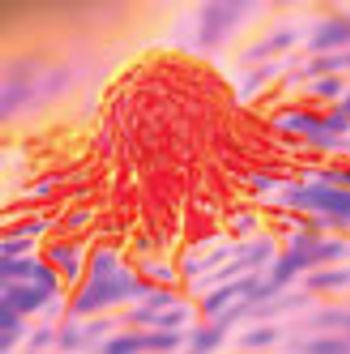
Recently, immuno-oncologists have turned their attention to the role of the second arm of the immune response—the more rough-and-ready innate arm, which serves as the body’s frontline defense against pathogenic invaders and, it seems, cancer.

The FDA has granted a priority review designation to a supplemental biologics license application for first-line pembrolizumab for use in combination with carboplatin/paclitaxel or nab-paclitaxel for the treatment of patients with metastatic squamous non–small cell lung cancer, regardless of PD-L1 expression.
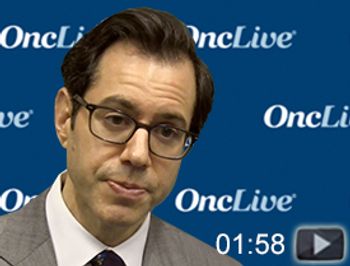
Matthew Galsky, MD, professor of medicine, hematology, and medical oncology, Mount Sinai Hospital, discusses combination immunotherapy in the treatment of patients with bladder cancer.
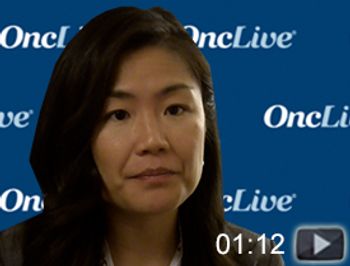
Liza C. Villaruz, MD, assistant professor of medicine, Division of Hematology/Oncology, University of Pittsburgh, discusses PD-L1 expression in lung cancer.
The European Medicines Agency’s Committee for Medicinal Products for Human Use has recommended approval of nivolumab (Opdivo) as an adjuvant treatment for adult patients with completely resected melanoma with lymph node involvement or metastatic disease
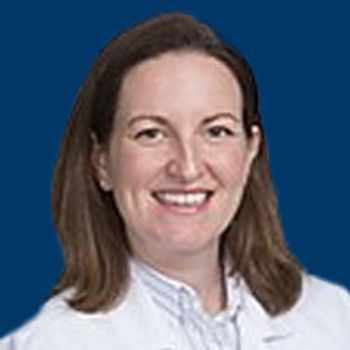
Kathryn A. Gold, MD, discusses the evolving management of EGFR-mutant non–small cell lung cancer and the latest developments in small cell lung cancer.

Advertisement
Advertisement
Trending on OncLive
1
FDA Approves Tucatinib Plus Trastuzumab/Pertuzumab as First-Line Maintenance in Advanced HER2+ Breast Cancer
2
FDA Grants Breakthrough Device Designation to Natera’s Multi-Cancer Early Detection Assay
3
VIR-5500 Receives FDA Fast Track Designation in mCRPC
4
Iberdomide Plus Daratumumab/Dexamethasone Yields Significant PFS Benefit in R/R Myeloma
5