





Non-Hodgkin Lymphoma
Latest News

Advertisement
Latest Videos


















































Advertisement
More News



The combination of ibrutinib (Imbruvica) plus rituximab (Rituxan) improved progression-free survival versus rituximab alone in patients with Waldenström macroglobulinemia.

Sunita D. Nasta, MD, compares the biology of peripheral and cutaneous T-cell lymphomas and offered advice on the optimal therapeutic approaches for either disease with novel agents.
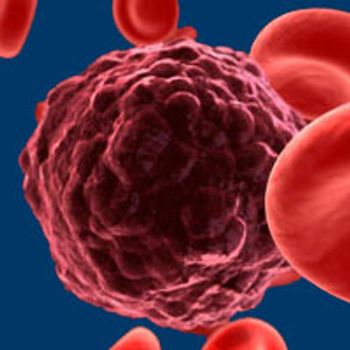
The FDA has granted a priority review to a biologics license application for mogamulizumab for the treatment of patients with cutaneous T-cell lymphoma who have received at least 1 prior systemic therapy.

Owen O'Connor, MD, PhD, professor of medicine and Experimental Therapeutics, director of the Center for Lymphoid Malignancies, Herbert Irving Comprehensive Cancer Center at Columbia University Medical Center, discusses the role of obinutuzumab (Gazyva) in the treatment of patients with follicular lymphoma.

Jane N. Winter, MD, professor of medicine, Division of Hematology/Oncology, Northwestern University, discusses copanlisib (Aliqopa) in follicular lymphoma.

Narendranath Epperla, MBBS, MS, hematologist, Department of Internal Medicine, Division of Hematology, Ohio State University Comprehensive Cancer Center, discusses the FDA approval of frontline obinutuzumab (Gazyva) for the treatment of patients with follicular lymphoma.

The FDA has approved obinutuzumab (Gazyva) in combination with chemotherapy, followed by obinutuzumab alone, for the first-line treatment of patients with advanced follicular lymphoma.

The European Medicines Agency’s Committee for Medicinal Products for Human Use has recommended approval of brentuximab vedotin (Adcetris) in adults with CD30-positive cutaneous T-cell lymphoma after at least 1 prior systemic therapy.

Paul A. Hamlin, MD, chief of the Medical Oncology Service at Memorial Sloan Kettering Cancer Center, discusses a phase II study investigating cerdulatinib in patients with non-Hodgkin lymphoma.

The European Medicines Agency (EMA) has received a Marketing Authorization Application (MAA) for tisagenlecleucel (Kymriah) for 2 forms of advanced lymphoma.
According to phase III results from the FOLL05 trial, the combination of rituximab plus cyclophosphamide, vincristine, and prednisone produced survival results comparable with standard-of-care regimens in patients with advanced symptomatic follicular lymphoma.

Patients with peripheral T-cell lymphoma are more likely to have superior overall survival if they have previously demonstrated event-free survival at 24 months.

Novartis has filed a supplemental biologics license application with the FDA to expand the indication for tisagenlecleucel (Kymriah) to include adults with relapsed/refractory DLBCL who are ineligible for ASCT.

Tazemetostat, a small molecule that targets epigenetic activity of the EZH2 gene, is being investigated as a treatment option for patients with relapsed or refractory diffuse large B-cell lymphoma or follicular lymphoma.
Treatment with prolonged native E. coli asparaginase therapy for children with acute lymphoblastic leukemia or non-Hodgkin lymphoma not only failed to improve survival versus the standard regimen, but also resulted in an increase in infections and allergy.

Reem Karmali, MD, discusses ongoing key trials of CAR T-cell therapy, the chronic safety concerns with the treatment, and what combinations have the most potential.

Reem Karmali, MD, Feinberg School of Medicine, Northwestern University, discusses the future of chimeric antigen receptor (CAR) T-cell therapy in diffuse large B-cell lymphoma (DLBCL).





Advertisement
Advertisement
Trending on OncLive
1
Ifinatamab Deruxtecan BLA Voluntarily Withdrawn in Previously Treated Extensive-Stage SCLC
2
Etentamig Improves Response and PFS vs Standard Therapies in Triple-Class Exposed Relapsed/Refractory Myeloma
3
Tegavivint Plus Osimertinib Shows Early Activity in First-Line EGFR-Mutated NSCLC
4
FDA Approves Lirafugratinib for Pretreated, Locally Advanced or Metastatic Cholangiocarcinoma
5