


Non-Hodgkin Lymphoma
Latest News
Advertisement
Latest Videos









































Advertisement
More News
Paul A. Hamlin, MD, discusses his research with cerdulatinib in patients with certain types of non-Hodgkin lymphoma.
Wolfgang Hiddemann, MD, PhD, director of the Department of Hematology and Oncology, University of Munich, discusses the updated results of an immunochemotherapy study in follicular lymphoma.
Paul A. Hamlin, MD, chief of the Medical Oncology Service at Memorial Sloan Kettering Cancer Center, discusses a study of cerdulatinib in non-Hodgkin lymphoma.
The FDA has approved subcutaneous rituximab (Rituxan Hycela) for the treatment of adults with previously untreated and relapsed or refractory follicular lymphoma, previously untreated diffuse large B-cell lymphoma, and previously untreated and previously treated chronic lymphocytic leukemia.
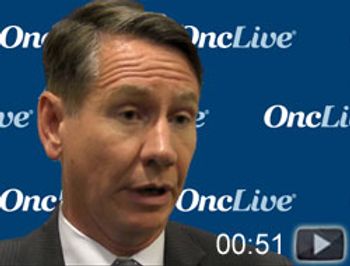
Stephen M. Ansell, MD, PhD, professor of medicine, Mayo Clinic, discusses the FDA approval of subcutaneous rituximab (Rituxan) in patients with select hematologic malignancies.
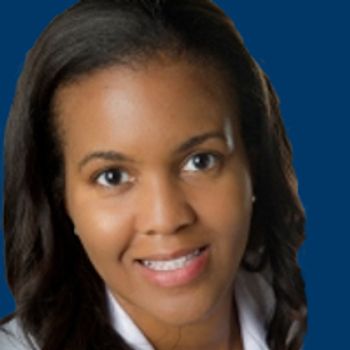
Adrienne A. Phillips, MD, discussed the subtypes of adult T-cell lymphoma/leukemia, the challenges with treating them, and what community oncologists need to know about these patient populations.
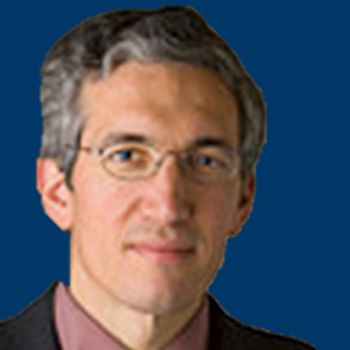
A supplemental Biologics License Application has been submitted to the FDA for brentuximab vedotin (Adcetris) as a treatment for patients with cutaneous T-cell lymphoma (CTCL), according to Seattle Genetics, which codevelops the antibody-drug conjugate with Takeda.
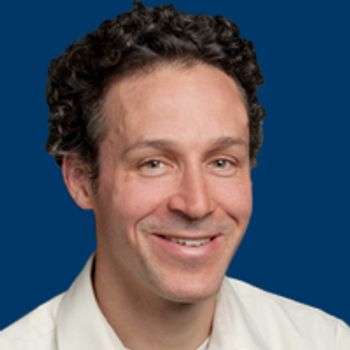
Treatment with rituximab (Rituxan) plus lenalidomide (Revlimid) followed by maintenance therapy demonstrated promising clinical activity for patients with relapsed/refractory indolent non-Hodgkin's lymphoma, according to findings from the phase IIIb MAGNIFY study.
The European Commission has approved the rituximab (Rituxan) biosimilar Rixathon (GP2013) to treat patients with follicular lymphoma, diffuse large B-cell lymphoma, and chronic lymphocytic leukemia.
Jeremy S. Abramson, MD, clinical director, Center for Lymphoma, Massachusetts General Hospital, discusses the TRANSCEND study, which is exploring the CD19-directed chimeric antigen receptor (CAR) T-cell therapy JCAR017 in patients with relapsed/refractory aggressive B-cell non-Hodgkin lymphoma (NHL).
Treatment with JCAR017 demonstrated a complete response rate of 59% and an objective response rate of 86% for patients with relapsed or refractory diffuse large B-cell lymphoma.
Combining pembrolizumab with rituximab induced a high response rate in patients with relapsed follicular lymphoma.
Copanlisib showed an objective response rate of 59.2% without inducing major colitis events or elevation of hepatic transaminases in patients with relapsed or refractory indolent B-cell lymphoma.

At more than 40 months’ follow-up, combining obinutuzumab with chemotherapy in the first-line setting reduced the risk of disease progression or death by 32% versus rituximab plus chemotherapy in patients with follicular lymphoma.

Combining the novel BTK inhibitor BGB-3111 with the CD-20 antibody obinutuzumab demonstrated clinical activity and was well tolerated in patients with chronic lymphocytic leukemia/small lymphocytic leukemia or follicular lymphoma.
Neil L. Berinstein, MD, professor, University of Toronto, Sunnybrook Health Sciences Centre, discusses combination treatments for patients with high-risk or recurrent follicular lymphoma.

Copanlisib (BAY 80-6946), a novel PI3K inhibitor, is being combined with standard rituximab-based regimens in patients with relapsed, indolent non-Hodgkin lymphoma.
Connie Batlevi, MD, PhD, discusses the combination of ibrutinib and buparlisib in MCL.

Tazemetostat (EPZ-6438) demonstrated strong clinical activity in patients with advanced EZH2-mutated follicular lymphoma, and was also active in patients with diffuse large B-cell lymphoma.
Ian W. Flinn, MD, PhD, discusses the 5-year update of the BRIGHT study in MCL and NHL.
Loretta J. Nastoupil, MD, associate professor, Department of Lymphoma/Myeloma, Division of Cancer Medicine, The University of Texas MD Anderson Cancer Center, discusses high response rates with prembrolizumab (Keytruda) in combination with rituximab (Rituxan) in patients with relapsed follicular lymphoma.
Sattva Neelapu, MD, associate professor, Department of Lymphoma/Myeloma, Division of Cancer Medicine, at The University of Texas MD Anderson Cancer Center, discusses the ZUMA-1 trial investigating axicabtagene ciloleucel (axi-cel; KTE-C19) for patients with refractory aggressive non-Hodgkin lymphoma.
Sarah Rutherford, MD, discusses rare DLBCL subtypes, ongoing research to improve outcomes for these patient populations, and the potential role of CAR T-cell therapy.

Patients with refractory aggressive non-Hodgkin lymphoma lacking curative treatment options demonstrated high response rates and durable responses plus a manageable safety profile following treatment with axicabtagene ciloleucel.
Tisagenlecleucel-T (CTL019) met its primary endpoint for best objective response rate in patients with relapsed or refractory diffuse large B-cell lymphoma.
Advertisement
Advertisement
Trending on OncLive
1
Ifinatamab Deruxtecan BLA Voluntarily Withdrawn in Previously Treated Extensive-Stage SCLC
2
Etentamig Improves Response and PFS vs Standard Therapies in Triple-Class Exposed Relapsed/Refractory Myeloma
3
Tegavivint Plus Osimertinib Shows Early Activity in First-Line EGFR-Mutated NSCLC
4
FDA Approves Lirafugratinib for Pretreated, Locally Advanced or Metastatic Cholangiocarcinoma
5