


Pediatric Oncology
Latest News
Advertisement
Latest Videos






























































Advertisement
More News

James L. Ferrara, MD, discusses the significance of the FDA approving tisagenlecleucel as the first CAR T-cell therapy.
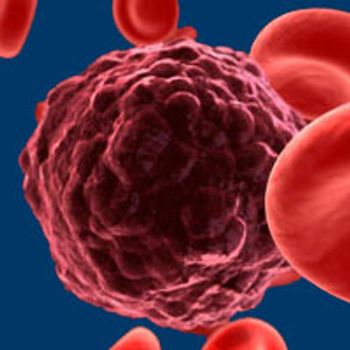
A 15 mg/kg dose of rabbit anti-T-lymphocyte globulin was associated with similar graft-vs-host-disease, less nonrelapse mortality, and less disease recurrence compared with a 30 mg/kg dose for children with hematological malignancies.
Administering high-dose cytarabine to children with myeloid leukemia of Down syndrome during the second chemotherapy induction cycle resulted in improved event-free survival and overall survival compared to results observed in previous research studies.
The FDA issued a historic approval of the first chimeric antigen receptor (CAR) T-cell therapy, authorizing the use of tisagenlecleucel (Kymriah) for the treatment of patients up to 25 years of age with B-cell precursor acute lymphoblastic leukemia that is refractory or in second or later relapse.

Arsenic trioxide consolidation was effective and safe in newly diagnosed pediatric patients with acute promyelocytic leukemia, allowing a significant reduction in cumulative anthracycline doses
In a small study of pediatric patients with relapsed/refractory ALK-positive anaplastic large cell lymphoma, treatment with 165 mg/m2 of crizotinib (Xalkori) was associated with an overall response rate of 83%
The recent approval of 2 immunotherapies for the treatment of certain patients with tumors that exhibit microsatellite instability has propelled the emerging biomarker into clinical practice, prompting calls for broader genetic testing.
The FDA has granted an accelerated approval to nivolumab for the treatment of adult and pediatric patients with microsatellite instability-high or mismatch repair deficient metastatic colorectal cancer that has progressed following treatment with a fluoropyrimidine, oxaliplatin, and irinotecan.
The FDA has approved ipilimumab for the treatment of patients aged ≥12 years with unresectable or metastatic melanoma.

Bajil J. Shah, MD, discusses the significant impact CAR T-cell therapy can have on the treatment landscape for patients with acute lymphoblastic leukemia.

Oncologic Drugs Advisory Committee voted 10-0 today to recommend approval of a biologics license application for tisagenlecleucel (CTL019) for the treatment of patients aged 25 or younger with relapsed/refractory B-cell acute lymphoblastic leukemia.

The FDA has accepted a supplemental new drug application for dasatinib (Sprycel) for use in children with Philadelphia chromosome-positive chronic phase chronic myeloid leukemia (CP Ph+ CML).

CTL019, an investigational chimeric antigen receptor T-cell therapy, demonstrated high response rates and a manageable safety profile in pediatric and young adult patients with relapsed and/or refractory acute lymphoblastic leukemia.

Renal medullary carcinoma is a rare but devastating tumor type almost exclusively affecting young adults carrying 1 copy of hemoglobin beta (HBB) harboring the A17T mutation (HbS).

The rate of severe long-term side effects caused by treatments for childhood cancers is dropping over time, according to findings from a retrospective analysis of 23,600 survivors enrolled in the Childhood Cancer Survivor Study.

Investigators at Virginia Commonwealth University Massey Cancer Center discuss the current treatment for children with high-risk neuroblastoma including high-dose chemotherapy, surgery, stem cell transplantation, radiation therapy, isotretinoin, and immunotherapy.
The CAR T-cell therapy CTL019 demonstrated an 82% complete remission (CR) or CR with incomplete blood count recovery rate for pediatric and young adult patients with relapsed/refractory B-cell acute lymphoblastic leukemia.
Anti-CD22 chimeric antigen receptor (CAR) T-cell therapy induced an 80% complete remission rate among children and young adults with relapsed/refractory B-cell acute lymphoblastic leukemia, many of whom had prior anti-CD19 CAR T-cell therapy.

Mark W. Kieran, MD, PhD, director, pediatric medical neuro-oncology, institute physician associate professor of pediatrics, Harvard Medical School, discusses the first study of dabrafenib in pediatric patients with BRAF V600–mutant disease.
The FDA has granted an accelerated approval to blinatumomab (Blincyto) for the treatment of pediatric and adolescent patients with Philadelphia chromosome-negative relapsed or refractory B-cell precursor acute lymphoblastic leukemia.

Advertisement
Advertisement
Trending on OncLive
1
FDA Approves Tucatinib Plus Trastuzumab/Pertuzumab as First-Line Maintenance in Advanced HER2+ Breast Cancer
2
VIR-5500 Receives FDA Fast Track Designation in mCRPC
3
Iberdomide Plus Daratumumab/Dexamethasone Yields Significant PFS Benefit in R/R Myeloma
4
FDA Approves Atezolizumab Plus Chemo for Stage III dMMR Colon Cancer
5