

Circulating tumor DNA was a better predictor for survival than RECIST 1.1 for patients with previously treated, HLA-A*02:01-positive metastatic uveal melanoma assigned to tebentafusp.
Circulating tumor DNA was a better predictor for survival than RECIST 1.1 for patients with previously treated, HLA-A*02:01-positive metastatic uveal melanoma assigned to tebentafusp.

The antibody drug conjugate datopotamab deruxtecan demonstrated safe antitumor activity in patients with advanced/metastatic non-small cell lung cancer with actionable genomic alterations.
Optical genome mapping was found to effectively detect most abnormalities defined by standard methods, such as chromosome banding analysis, chromosomal microarrays, and fluorescence in situ hybridization, as well as several additional abnormalities of unknown clinical significance, in patients with chronic lymphocytic leukemia.

Vic-trastuzumab duocarmazine yielded an improved progression-free survival over standard physician’s choice chemotherapy in patients with pretreated HER2-positive locally advanced or metastatic breast cancer.

The phase 1b COSMIC-021 trial showed clinically meaningful activity with cabozantinib plus atezolizumab in patients with locally advanced or metastatic castration-resistant prostate cancer who have been previously treated, including patients with high-risk features.

Fam-trastuzumab deruxtecan-nxki demonstrated a clinically meaningful and statistically significant improvement in progression-free survival vs standard of care trastuzumab emtansine for patients with previously treated HER2-positive metastatic breast cancer.

Marina Garassino, MD, discusses the results of subgroup analyses of the phase 2 VISION trial in MET exon 14 skipping mutation–positive non-small cell lung cancer.
The use of a cell-free DNA–based minimal residual disease assay demonstrated feasibility and highly concordant results compared with 4-color flow cytometry and improved MRD detection in patients with chronic lymphocytic leukemia who were treated with time-limited venetoclax, acalabrutinib, and obinutuzumab.

The addition of pembrolizumab to chemotherapy with or without bevacizumab significantly improved survival and response rates in patients with persistent, recurrent, or metastatic cervical cancer.
Adjuvant pembrolizumab led to a significant reduction in the risk of disease recurrence or death compared with placebo in patients with resected, high-risk stage II melanoma.
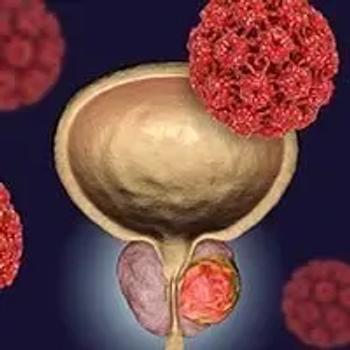
Pembrolizumab plus olaparib may improve prostate-specific antigen response rate in patients with metastatic castration-resistant prostate cancer regardless of homologous recombination repair mutation status.
The combination of pembrolizumab plus olaparib produced promising antitumor activity in men with molecularly unselected docetaxel-pretreated metastatic castration-resistant prostate cancer.

Poziotinib, administered once daily at 16 mg, induced a median tumor reduction of 35% in patients with treatment-naïve non–small cell lung cancer harboring HER2 exon 20 mutations, according to findings from cohort 4 of the ongoing phase 2 ZENITH20 trial.

The addition of relatlimab to nivolumab prolonged benefit beyond initial treatment and first progression and reduced the risk of progression or death after the next line of systemic therapy vs nivolumab alone in previously untreated patients with metastatic or unresectable melanoma.

The combination of osimertinib and bevacizumab did not produce a superior progression-free survival benefit vs osimertinib alone in patients with non-squamous non-small cell lung cancer harboring an EGFR mutation.

Fam-trastuzumab deruxtecan-nxki showcased robust and durable antitumor activity in previously treated patients with HER2-mutant non–small cell lung cancer.
CRISPR/Cas9 and mRNA-based gene editing and expression was found to be feasible in evaluating primary chronic lymphocytic leukemia cells.

Bradley J. Monk, MD, FACS, FACOG, discusses outcomes with pembrolizumab plus chemotherapy in patients with recurrent or metastatic cervical cancer, as reported in the phase 3 KEYNOTE-826 trial.
COVID-19 continued to result in high admission and fatality rates among patients with chronic lymphocytic leukemia during the first 13 months of the pandemic, and although risk of severe infection was determined to be independent of age, CLL status, and treatment, being age 75 years or older was revealed to be a significant risk factor for death.
Cabozantinib as a second-line treatment showed improved overall survival outcomes compared with second-line axitinib in patients with advanced renal cell carcinoma.
Perioperative treatment with cabozantinib induced responses in patients with intermediate and poor-risk metastatic renal cell carcinoma

A shift in the NSCLC treatment paradigm came in the form of immunotherapy, which has since seen significant progress—mostly in the past decade.

Filip Janku, MD, PhD, discusses the results form a phase 1 study of ripretinib, a broad-spectrum KIT and PDGFRA inhibitor, in patients with KIT-mutated or KIT-amplified melanoma.

Fam-trastuzumab deruxtecan-nxki as a second-line treatment elicited a 38% confirmed objective response rate in Western patients with HER2-positive gastric/gastroesophageal junction cancer.
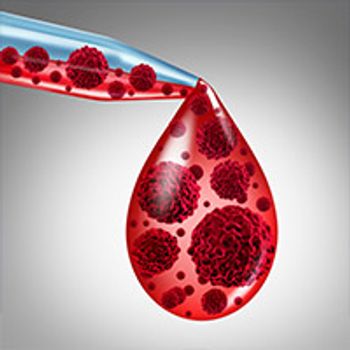
H3B-8800, a splicing molecule that binds to Splicing Factor 3b Subunit 1, has been shown to delay leukemic infiltration in a model of chronic lymphocytic leukemia using NOD-SCID interleukin-2 receptor gamma mice.

Efficacy outcomes were superior with nivolumab plus ipilimumab compared with sunitinib in patients with advanced renal cell carcinoma.

The addition of toripalimab to platinum-based chemotherapy demonstrated significantly improved survival outcomes in patients with advanced or metastatic esophageal squamous cell carcinoma regardless of PD-L1 expression.

The addition of carboplatin to neoadjuvant paclitaxel followed by doxorubicin and cyclophosphamide significantly improved pathological complete response rates and event-free survival in patients with treatment-naïve triple-negative breast cancer.

Rechallenge with maintenance olaparib following response to platinum-based chemotherapy significantly improved progression-free survival in heavily pretreated patients with relapsed ovarian cancer, irrespective of BRCA status, according to results of the phase 3 OReO/ENGOT Ov-38 study.
The frontline combination of nivolumab and ipilimumab continued to demonstrate improved overall survival across subgroups compared with standard chemotherapy at 3 years in patients with unresectable malignant pleural mesothelioma.