
T-DXd significantly improved IDFS vs T-DM1 in high-risk, HER2-positive primary breast cancer with residual invasive disease after neoadjuvant therapy.
T-DXd significantly improved IDFS vs T-DM1 in high-risk, HER2-positive primary breast cancer with residual invasive disease after neoadjuvant therapy.
Adjuvant cemiplimab and placebo were associated with similar rates of second primary tumors in high-risk CSCC.

Kim Nguyen Chi, MD, FRCPC, discusses correlative analyses of prognostic subgroups in the phase 2 PR21 study in PSMA-positive mCRPC.
177-Lu-edotretide significantly improved survival outcomes vs everolimus for the treatment of patients with grade 1/2 GEP-NETs.
BNT111 plus cemiplimab achieved an 18.1% ORR in PD-(L)1–refractory melanoma, meeting its primary end point in the phase 2 BNT111-01 trial.

Srikala Sridhar, MD, MSc, FRCPC, discusses efficacy findings from the ALPACA study and the necessity of improved patient selection for checkpoint inhibitors in PSCC
First-line treatment with tarlatamab plus chemoimmunotherapy and anti–PD-L1 maintenance therapy generated durable responses in patients with ES-SCLC.
Datopotamab deruxtecan plus rilvegostomig was active in cisplatin-ineligible and platinum-pretreated locally advanced or metastatic urothelial cancer.
Lenvatinib plus everolimus improved PFS vs cabozantinib in metastatic clear cell renal cell carcinoma after progression on a PD-1 inhibitor.

Giredestrant plus everolimus improved progression-free survival in ER-positive, HER2-negative advanced breast cancer after a prior CDK4/6 inhibitor.
Belzutifan plus pembrolizumab and lenvatinib improved efficacy outcomes compared with multiple other pembrolizumab-based triplet regimens in advanced clear cell renal cell carcinoma.
RNAseq-defined clusters guided treatment selection in metastatic ccRCC in the phase 2 OPTIC trial, yielding a 76% ORR with cabozantinib plus nivolumab.
Fruquintinib plus sintilimab significantly extended progression-free survival in advanced RCC following first-line VEGFR TKI therapy.

Long-term data demonstrated durable responses with pimicotinib in tenosynovial giant cell tumor.
regorafenib/nivolumab may encourage a search for more non-chemotherapy combinations for gastric cancer.
Osimertinib plus chemotherapy improved OS vs osimertinib alone in EGFR-mutated advanced non–small lung cancer, irrespective of poor prognostic factors.

SunRISe-4 data show that TAR-200 and cetrelimab led to a high pCR and 12-month RFS rate in muscle-invasive bladder cancer.
NorthStar findings support osimertinib plus local consolidative therapy in EGFR-mutant non–small cell lung cancer.
Adjuvant ribociclib plus an aromatase inhibitor was safe and displayed long-term efficacy in hormone receptor–positive, HER2-negative early breast cancer.
The addition of durvalumab to FLOT prolonged overall survival vs FLOT alone in resectable gastric/gastroesophageal junction adenocarcinoma.

Sevabertinib monotherapy led to robust and durable responses in first-line and pretreated patients with HER2-mutant advanced non–small cell lung cancer.
The addition of adjuvant abemaciclib to endocrine therapy provided an OS benefit vs endocrine therapy alone in hormone receptor–positive breast cancer.
First-line alectinib produced a clinically meaningful overall survival benefit in advanced ALK-positive non–small cell lung cancer.
Durvalumab plus BCG induction and maintenance therapy yielded clinically meaningful improvement in DFS vs BCG induction and maintenance therapy alone in BCG-naive, high-risk NMIBC.
Zongertinib was effective for the first-line treatment of patients with treatment-naive HER2-mutated NSCLC.
First-line treatment with lenvatinib, pembrolizumab, and chemotherapy did not improve OS vs chemoimmunotherapy in patients with advanced ESCC.
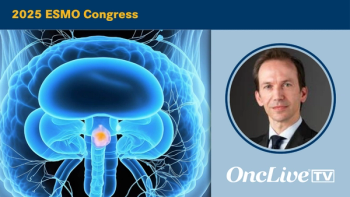
Andrea Necchi, MD, discusses the role of minimal residual disease assessment in the phase 2 SunRISe-4 trial evaluating TAR-200 plus cetrelimab in MIBC.

Tony S.K. Mok, BMSc, MD, FRCP(C), FRCP(Edin), FHKCP, FHKAM(Medicine), FASCO, shares final OS data from the phase 3 ALEX study in ALK-positive NSCLC.
Five year follow up results from CheckMate 274 support adjuvant nivolumab as a standard of care for high-risk muscle-invasive urothelial carcinoma.
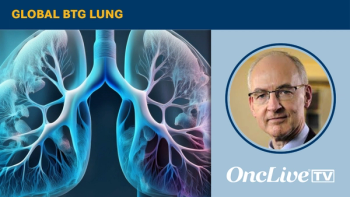
Maurice Perol, MD, discusses the persistent unmet need for effective treatments following progression on immunotherapy in NSCLC.