
Joshua K. Sabari, MD, discussed the management of patients with early-stage and metastatic lung cancer, the roles of molecular testing, surgery, staging, and ongoing research efforts in the space.
Joshua K. Sabari, MD, discussed the management of patients with early-stage and metastatic lung cancer, the roles of molecular testing, surgery, staging, and ongoing research efforts in the space.
Tara Graff, DO, highlights active areas of exploration that are generating excitement in chronic lymphocytic leukemia.
During the question-and-answer portion of the virtual Institutional Perspectives in Cancer webinar, Earle Burgess, MD, and colleagues provide insight into how they are navigating the evolving treatment landscape of renal cell carcinoma and bladder cancer.
January 27, 2021 - The FDA has granted an orphan drug designation to the small molecule chemotherapeutic uttroside-B for use as a treatment in patients with hepatocellular carcinoma.
January 27, 2021 - The combination of the polo-like kinase 1 inhibitor, onvansertib, with FOLFIRI and bevacizumab was found to have preliminary activity and favorable tolerability when used as a second-line treatment for patients with KRAS-mutated metastatic colorectal cancer.
January 27, 2021 - Perioperative chemotherapy did not improve overall survival in patients with resectable pancreatic ductal adenocarcinoma when compared with historical data from adjuvant trials.

January 27, 2021 — A shorter course of stereotactic body radiotherapy has been shown to have encouraging efficacy with favorable toxicity when used in patients with high-risk prostate cancer in a multi-institutional, international setting.
January 26, 2021 — Patients with colorectal cancer who had molecular residual disease positivity immediately after surgery were found to have a high risk of disease recurrence and longitudinal monitoring increased the predictive power of circulating tumor DNA.

January 26, 2021 - The FDA has granted the cell-based, off-the-shelf immune primer ilixadencel an orphan drug designation for use as a treatment option in patients with soft tissue sarcoma.
R. Lor Randall, MD, FACS, discusses the rationale and motivation behind tissue-engineered platforms and how they could significantly impact the understanding of how cancer arises in or metastasizes to bone.

January 26, 2021 - Acalabrutinib showed noninferior progression-free survival and a significantly lower incidence of atrial fibrillation versus ibrutinib in patients with high-risk chronic lymphocytic leukemia.

January 26, 2021 - The European Commission has approved single-agent pembrolizumab for use in the frontline treatment of patients with metastatic microsatellite instability–high or mismatch repair deficient colorectal cancer.

Neeraj Agarwal, MD, discusses the role of docetaxel in the frontline setting, the emergence of novel hormonal agents in the paradigm, and efforts being made with combination regimens to potentially treat patients with resistant disease.
Martin E. Gutierrez, MD, discusses some of the most encouraging ongoing clinical trials in metastatic NSCLC.
January 25, 2021 - The FDA has granted toripalimab a fast track designation for use in the frontline treatment of patients with mucosal melanoma.
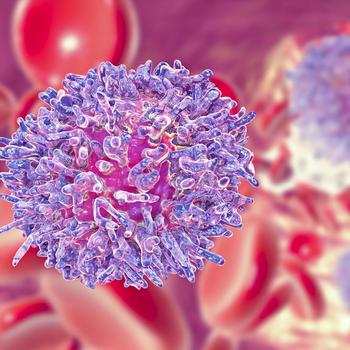
January 25, 2021 - The Japanese Ministry of Health, Labour and Welfare approved the BTK inhibitor acalabrutinib for use in adult patients with relapsed/refractory chronic lymphocytic leukemia, including small lymphocytic lymphoma
David Spigel, MD, discusses the future of adjuvant targeted therapy in lung cancer.
Johanna C. Bendell, MD, moderates a peer exchange with fellow experts to discuss differences in germline and somatic BRCA mutations in pancreatic cancer, the role of molecular testing in hepatocellular carcinoma, and treatment options for patients with BRAF-mutant, microsatellite instability–high colorectal cancer.
January 25, 2021 - Rachel Adams Greenup, MD, MPH, FACS, has been appointed as Associate Professor of Surgery and Section Chief of Breast Surgery for the Department of Surgery at Yale School of Medicine.
Using real-world data from more than 4000 patients with common cancers, an algorithm was able to detect variations in care that, if reduced, could result in a median savings of $26,773 per patient.

January 25, 2021 - The European Commission has approved avelumab for use as a frontline maintenance option in the treatment of adult patients with locally advanced or metastatic urothelial carcinoma who did not progress after having received platinum-based chemotherapy.
Hope S. Rugo, MD, FASCO, describes her work in medical oncology, previews the upcoming Miami Breast Cancer Conference, and speaks to what she is looking forward to in 2021 with regard to breast cancer treatment.

The sustained overall survival benefit with durvalumab and significant disease-free survival benefit benefit with osimertinib in the adjuvant setting represent major advances in the field of non–small cell lung cancer, fueling research with each modality in localized settings.
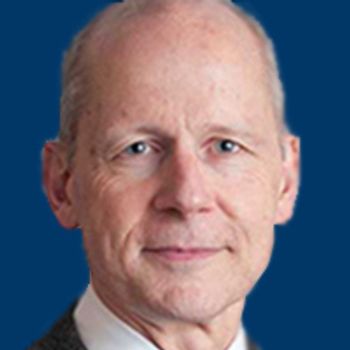
Henning Gaissert, MD, discusses the importance of tailoring surgical resection strategies to individual patients with lung cancer.
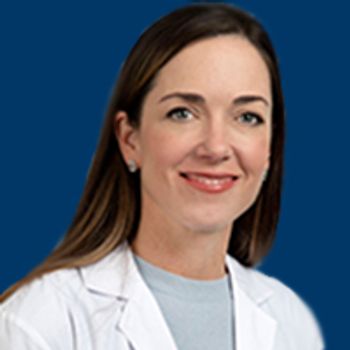
Sara A. Hurvitz, MD, reflects on key pivotal trials and recent regulatory decisions that have propelled progress in metastatic HER2-positive breast cancer.
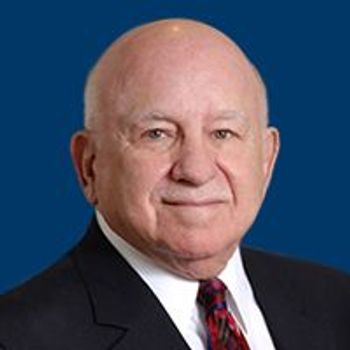
Joseph V. Simone, MD, a pioneering clinical investigator and institutional leader in pediatric oncology who was recognized with a 2017 Giants of Cancer Care® award, died January 21 at the age of 85.

All patients with active cancer, or with active, recent, or planned cancer treatment, should be considered highest priority to receive one of the coronavirus disease 2019 vaccines that have been granted emergency use authorization from the FDA.

Reinhard Dummer, MD, shares his approach for selecting between targeted approaches and immunotherapy agents in the adjuvant treatment of patients with melanoma.
January 22, 2021 - The FDA has approved the combination of nivolumab plus cabozantinib for the frontline treatment of patients with advanced renal cell carcinoma.
David Spigel, MD, discusses ongoing research with immunotherapy in early-stage lung cancer.