

Selinexor demonstrated a statistically significant improvement in progression-free survival compared with matching placebo in patients with advanced unresectable dedifferentiated liposarcoma, following at least 2 prior treatments.
Selinexor demonstrated a statistically significant improvement in progression-free survival compared with matching placebo in patients with advanced unresectable dedifferentiated liposarcoma, following at least 2 prior treatments.

Milind Javle, MD, provides insight into the current treatment paradigm of advanced HCC and the potential influence ongoing research regarding biomarkers of response and novel combinations could have on the field.

The phase 3 SIENDO study, which is evaluating maintenance selinexor in endometrial cancer, has been recommended by the Data and Safety Monitoring Board to continue as previously planned without the need to add additional patients to the trial or amend the study protocol, following a prespecified interim futility analysis.

November 25, 2020 — Ruxolitinib, when administered earlier on in the treatment course, led to high spleen response rates in patients with low-risk International Prognostic Scoring System myelofibrosis.

November 25, 2020 - The oral MDM2 antagonist idasanutlin was found to promote expansion of TP53-mutant subclones among patients with polycythemia vera.

Stephen A. Strickland, MD, BS, MS, MSCI, relays insightful questions from the audience to the speakers, who provided insight into how they are navigating the evolving treatment landscape of hematologic malignancies.

November 25, 2020 — Although metastatic urothelial carcinoma remains generally incurable, management of bladder cancer has witnessed several multidisciplinary advances in the past few years.

November 24, 2020 - The European Commission has approved nivolumab for the treatment of adult patients with unresectable advanced, recurrent or metastatic esophageal squamous cell carcinoma following prior fluoropyrimidine- and platinum-based combination chemotherapy.
Alan P. Z. Skarbnik, MD, highlights how treatment decisions in mantle cell lymphoma have become more nuanced since the FDA approval of the CAR T-cell therapy brexucabtagene autoleucel in the relapsed/refractory setting.
R. Lor Randall, MD, FACS, discusses limb salvage surgeries that have been made possible through 3D printing, and the technological advances that are helping to increase precision and turnaround times.

Olalekan O. Oluwole, MBBS, MD, discusses the approvals of tisagenlecleucel and axicabtagene ciloleucel, along with several research efforts that have been dedicated to the development and exploration of CAR T-cell therapies in the realm of leukemias and lymphomas.

November 24, 2020 — The FDA has granted an orphan drug designation to devimistat for the treatment of patients with soft tissue sarcoma.

Nusayba Bagegni, MD, discusses prominent data that have emerged in early-stage and metastatic HER2-positive breast cancer.

November 24, 2020 - Pexidartinib was found to result in prolonged efficacy with favorable safety in patients with tenosynovial giant cell tumors, according to long-term data from a pooled analysis of 3 cohorts of patients who received the agent.

November 24, 2020 - Until now, the field of cell-based immunotherapy has been dominated by chimeric antigen receptor (CAR) T cells, with groundbreaking FDA approvals for 3 drugs across several types of hematologic malignancies. In solid tumors, however, CAR T-cell therapies have yet to gain ground.
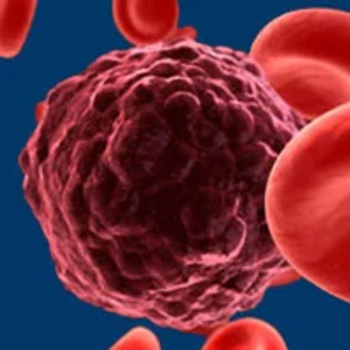
November 23, 2020 - The National Comprehensive Cancer Network has updated its Clinical Practice Guidelines in Oncology for Myelodysplastic Syndromes (MDS) to include the combination of decitabine and cedazuridine as a category 2a recommendation for the treatment of adult patients with intermediate- and high-risk MDS.

John O. Mascarenhas, MD, discusses how the positioning of JAK inhibitors in myelofibrosis has shifted, and also pointed to new agents under investigation.
November 23, 2020 - Yelena Y. Janjigian, MD, discusses future research efforts are focused on examining anti–PD-1 combination strategies, particularly with HER2-directed therapies.

November 23, 2020 - Patients with microsatellite instable metastatic castration-resistant prostate cancer have a distinct T-cell signature that is detectable in the peripheral blood.
In our exclusive interview, Dr. Oxnard explained how precision medicine has affected the treatment landscape of lung cancer, discussed the current capabilities of liquid biopsy, and forecasted the future of precision oncology in the field.

November 23, 2020 — Katherine K. Clifton, MD, discusses the utility of CDK4/6 inhibitors as frontline treatment for patients with HR-positive/HER2-negative breast cancer, the growing role of PI3K inhibitors in this space, and potential future research directions with these treatments.

November 23, 2020 - Tebentafusp showed superiority in overall survival compared with investigator’s choice of therapy in patients with previously untreated metastatic uveal melanoma.
November 23, 2020 - The China National Medical Products Administration has approved denosumab for the prevention of skeletal-related events in patients with bone metastases from solid tumors and in those with multiple myeloma.

November 23, 2020 - Ripretinib demonstrated clinically meaningful activity in patients with fourth-line or later advanced gastrointestinal stromal tumor and several, heterogeneous genetic subsets of KIT/PDGFRA mutations.

November 24, 2020 — Amcenestrant, a new oral form of endocrine therapy that has shown early signs of efficacy, is being evaluated against the current standards of care in patients with estrogen receptor–positive, HER2-negative locally advanced or metastatic breast cancer.

Sotorasib was well tolerated and led to disease control in the majority of patients with heavily pretreated KRAS G12C–mutant gastrointestinal malignancies.

November 21, 2020 - The addition of sugemalimab to chemotherapy demonstrated a statistically significant and clinically meaningful progression-free survival benefit in the frontline treatment of patients with metastatic non–small cell lung cancer versus placebo plus chemotherapy.
November 21, 2020 - Frontline sintilimab injection in combination with bevacizumab biosimilar injection resulted in a significant improvement in overall survival and progression-free survival per Independent Radiographic Review Committee versus sorafenib in patients with advanced unresectable hepatocellular carcinoma.

November 21, 2020 — Maintenance niraparib, when administered at an individualized starting dose, led to a 70% reduction in the risk of disease progression or death compared with placebo in Chinese patients with recurrent ovarian cancer who were in a complete or partial response to platinum-based chemotherapy.

The combination of atezolizumab and nab-paclitaxel led to a clinically meaningful overall survival benefit in treatment-naïve patients with locally advanced or metastatic triple-negative breast cancer who had PD-L1 expressing tumor-infiltrating immune cells.