

In case you missed any, read a recap of the episodes of OncLive On Air that aired in July 2026.
In case you missed any, read a recap of the episodes of OncLive On Air that aired in July 2026.

Lung cancer and neurology experts discuss the ties between cancer-associated LEMS and small cell lung cancer, diagnostic tips, and management strategies.
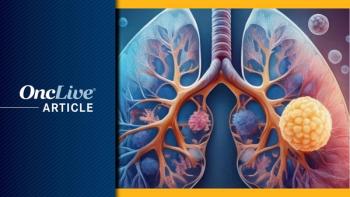
A study from the Northwestern Medicine Canning Thoracic Institute indicates that lung transplant can extend survival in select advanced lung cancer cases.
Northwestern Medicine pioneered a total artificial lung system, enabling successful double-lung transplants.

Researchers at Northwestern Medicine have developed a new and faster approach to determine if a treatment for the brain cancer glioblastoma is working.
Shailee S. Shah, MD, details current screening and diagnostic guidelines for small cell lung cancer–associated LEMS.
Drs Sands and Shah discuss LEMS symptom identification and what guidelines currently note as best practices for the diagnosis of this disease.
Dr Shah discusses a study of the effect of immune checkpoint inhibitors on patients with cancer and preexisting neurologic autoimmune diseases.
Jamile M. Shammo, MD, discusses how the differences between the available JAK inhibitors in myelofibrosis guide her treatment considerations.
Jamile M. Shammo, MD, discusses future directions for investigating JAK inhibitor–based combination regimens in transfusion-dependent myelofibrosis.

The top 5 OncLive videos of the week cover insights in TGCT, NSCLC, TNBC, AML, and MDS.
Emily M. Hinchcliff, MD, MPH, discusses the growing role of ADCs like mirvetuximab soravtansine for the treatment of patients with ovarian cancer.
Yasmin Abaza, MD, discusses how the ongoing investigation of emavusertib could address the need for more targeted therapies in AML and MDS.
Emily M. Hinchcliff, MD, MPH, discusses how the addition of immunotherapy to chemotherapy has influenced the endometrial cancer treatment paradigm.

The Canning Thoracic Institute became the highest-volume lung transplant center in the US and achieved the shortest wait time for a lung transplant.
Emily M. Hinchcliff, MD, MPH, discusses future research directions regarding the role of PARP inhibitors for the treatment of patients with ovarian cancer.
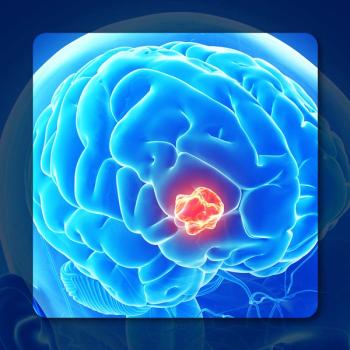
Rimas V. Lukas, MD, discusses the potential role for eflornithine plus lomustine in recurrent grade 3 IDH-mutant astrocytoma.
Leo I. Gordon, MD, parses major changes to the 2024 NCCN guidelines for the treatment of patients with MCL, MZL, and follicular lymphoma.
Leo I. Gordon, MD, discusses toxicities associated with lisocabtagene maraleucel in patients with mantle cell lymphoma.
Leo I. Gordon, MD, discusses the clinical implications of findings from the mantle cell lymphoma cohort of the TRANSCEND NHL 001 trial evaluating liso-cel.
Leo I. Gordon, MD, discusses future steps for optimizing the use of lisocabtagene maraleucel in the treatment of relapsed/refractory mantle cell lymphoma.
Leo I. Gordon, MD, discusses the evolution of the treatment paradigm in relapsed/refractory mantle cell lymphoma.
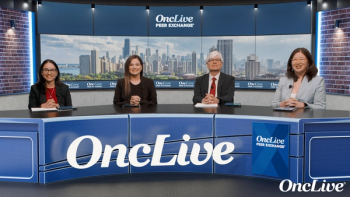
In a forward-looking discussion, Ticiana Leal, MD; Anne Chiang, MD, PhD; Afshin Dowlati, MD; and Tarita O. Thomas, MD, PhD, offer their concluding insights on the evolving landscape of clinical trials and the future directions of small cell lung cancer (SCLC) treatment, highlighting promising areas of research and potential breakthroughs that may shape the management of this challenging disease in the years to come.
Experts delve into the DAREON-8 Phase 1 clinical trial, assessing the potential impact of incorporating the study into the current treatment algorithm for small cell lung cancer (SCLC).
Medical experts review the Ideate-Lung02 phase 3 clinical trial, exploring the potential for ifinatamab to elicit durable responses in patients with advanced small cell lung cancer (SCLC), and discussing the implications of these findings for the future treatment landscape of SCLC.
In a detailed analysis, key opinion leaders (KOLs) review the results of the DELLphi-301 Phase 2 clinical trial, assessing the efficacy of platinum-based chemotherapy in the treatment of small cell lung cancer (SCLC) and its impact on overall survival outcomes for patients enrolled in the study.
In a focused discussion, Anne Chiang, MD, PhD, explores the sequencing of later-line therapies for limited-stage small cell lung cancer (LS-SCLC), emphasizing key factors to consider when making treatment decisions for patients who have progressed on initial therapy.
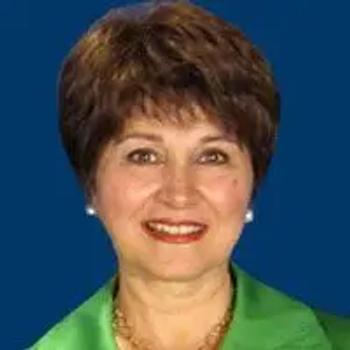
Tazemetostat plus pembrolizumab was tolerable in platinum-exposed or -ineligible advanced urothelial carcinoma.
Leo I. Gordon, MD, discusses the significance of the FDA approval of liso-cel for patients with relapsed/refractory mantle cell lymphoma.
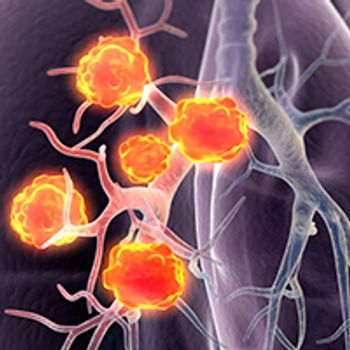
Seeking a second opinion, Arthur “Art” Gillespie turned to Northwestern Medicine for a life-saving double-lung transplant procedure.