
Nina Shah, MD, discusses key findings from the phase 2 KarMMA trial in relapsed/refractory multiple myeloma.
Nina Shah, MD, discusses key findings from the phase 2 KarMMA trial in relapsed/refractory multiple myeloma.
Nina Shah, MD, discusses the current state of cellular therapy in multiple myeloma.

Nina Shah, MD, discusses unmet needs with CAR T-cell therapy in multiple myeloma.
Thomas G. Martin, MD, discusses the potential utility of quadruplet-based regimens in relapsed/refractory multiple myeloma.
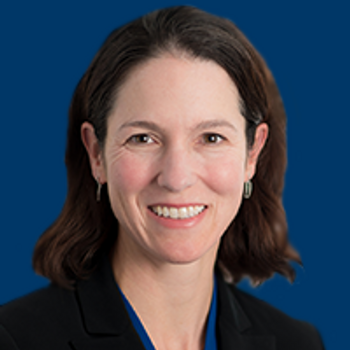
Triplet regimens leveraging novel agents targeted at overcoming mechanisms of resistance in combination with immune checkpoint inhibitors and anti-angiogenic therapies represent the next frontier in hepatocellular carcinoma.
Acquired resistance to endocrine therapy has presented challenges for patients with hormone receptor–positive breast cancer.
Updated overall survival data from the APACT trial suggest improved outcomes for patients with resected pancreatic cancer who receive adjuvant nab-paclitaxel plus gemcitabine despite missing the primary end point in earlier analysis.
The investigational therapy ficlatuzumab in combination with cytarabine demonstrated encouraging clinical efficacy with favorable tolerability when used as a treatment in patients with high-risk acute myeloid leukemia.
Thomas G. Martin, MD, discusses the latest news in frontline, early relapsed, and heavily pretreated multiple myeloma, including the growing promise of quadruplets, emerging targets beyond BCMA, and the potential emergence of quadruplets, venetoclax, and antiviral therapy in amyloidosis.

Thomas G. Martin, MD, speaks to the FDA approval of isatuximab, carfilzomib, and dexamethasone, and potential future directors for isatuximab.
Julie Ann Sosa, MD, MA, FACS, FSSO, discusses risk factors for thyroid cancer.

Nina Shah, MD, discusses the newfound role of BCMA-directed CAR T-cell therapies in multiple myeloma, how the field may select between ide-cel and cilta-cel if the latter is approved, and novel cellular therapies in clinical development.
Nina Shah, MD, discusses the efficacy and safety data observed with ciltacabtagene autoleucel in relapsed/refractory multiple myeloma.
Nina Shah, MD, discusses potential future directions with CAR T-cell therapy in multiple myeloma.
Nina Shah, MD, discusses the clinical significance of idecabtagene vicleucel for the treatment of patients with multiple myeloma.
Nina Shah, MD, discusses the management of CAR T-cell therapy–related toxicities in multiple myeloma.
Thomas G. Martin, MD, discusses the safety profile of bispecific T-cell engagers in multiple myeloma.
Mark Walters, MD, discusses the limitations of standard blood transfusions in pediatric patients with transfusion-dependent beta-thalassemia.

Nina Shah, MD, discusses the potential rationale for selecting between the investigational CAR T-cell therapies idecabtagene vicleucel and ciltacabtagene autoleucel in relapsed/refractory multiple myeloma.
Thomas G. Martin, MD, discusses factors that can inform transplant eligibility in multiple myeloma.
Thomas G. Martin, MD, discusses the utility of aggressive frontline treatment in multiple myeloma.
Treatment strategies for patients with breast cancer, especially the combination of anthracyclines and HER2-targeted therapies, come with an increased risk of heart failure and cardiac toxicity.
Margetuximab represents an effective new therapeutic option that can be combined safely with a chemotherapy drug of choice for patients with metastatic HER2-positive breast cancer who have undergone multiple lines of prior treatment.
February 13, 2021 - Certain molecular signatures at baseline were found to be independently linked with long-term response to apalutamide in patients with nonmetastatic castration-resistant prostate cancer.
Hope S. Rugo, MD, FASCO, describes her work in medical oncology, previews the upcoming Miami Breast Cancer Conference, and speaks to what she is looking forward to in 2021 with regard to breast cancer treatment.
Rebecca L. Olin, MD, MSCE, discusses the rationale to evaluate menin inhibitors in acute myeloid leukemia.

Young Hope Rugo saved up her S&H Green Stamps to buy a children’s chemistry set from a Sears catalog. At the age of 8, Rugo knew she wanted to be a scientist.

Nina Shah, MD, discusses the importance of assessing quality of life in multiple myeloma.
Thomas G. Martin, MD, discusses the importance of targeted therapy in multiple myeloma, in addition to ongoing research.