
Don M. Benson Jr, MD, PhD, discusses the clinical development of KIR-targeted therapies.
Don M. Benson Jr, MD, PhD, discusses the clinical development of KIR-targeted therapies.
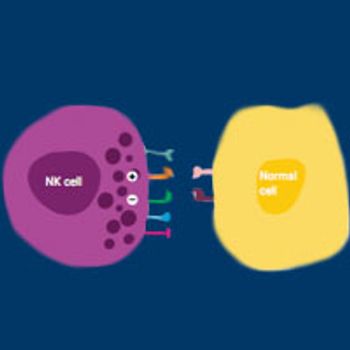
Although T cells have commanded most of the attention in the burgeoning immuno-oncology field, there is a growing appreciation that other immune cells have important roles in tumor surveillance and would represent attractive therapeutic targets.
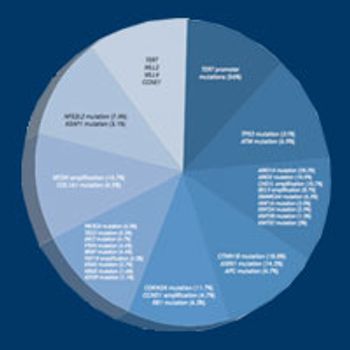
The growing incidence of primary liver cancer in the United States poses a great therapeutic challenge.
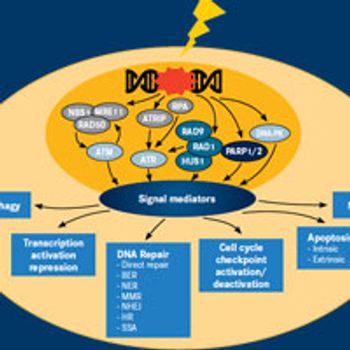
A coordinated network of signaling pathways works to protect the cell from the toxic effects of DNA damage.
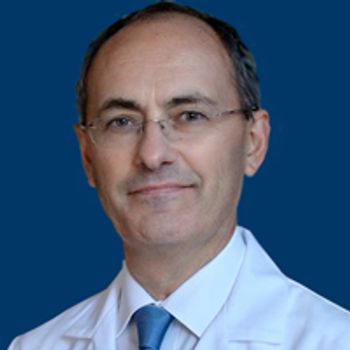
Matthew J. Ellis, MB BChir, PhD, FRCP, provides his expertise on the genomics and molecular profiling of breast cancer.
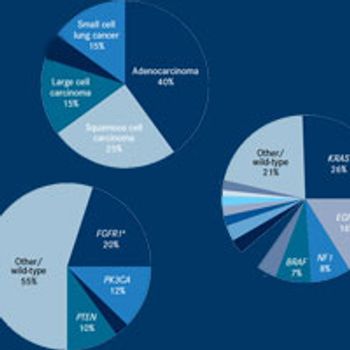
Despite these successes, driver mutations have been identified in only a minority of cases and patients with other types of lung cancer, such as squamous cell carcinoma and small-cell lung cancer, do not currently benefit from targeted therapies.
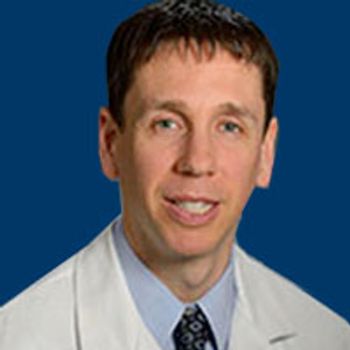
Gregory L. Beatty, MD, PhD, who focuses his research on understanding the role of innate immunity in gastrointestinal malignancies, discusses CD47 as an anticancer target.
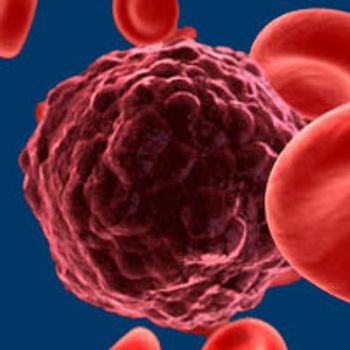
During the past several decades, it has become increasingly clear that there is a complicated relationship between a tumor and the patient’s immune system. Although the genetic and epigenetic changes that fuel cancer development create foreign antigens that should trigger an immune response, one of the hallmarks of cancer is its ability to evade this immune recognition.
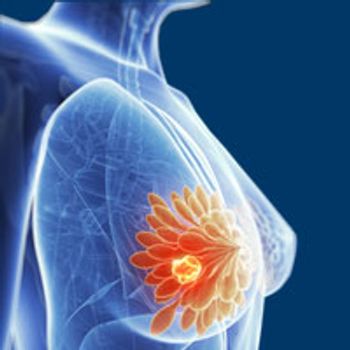
Although breast cancer research has helped chart the course for molecularly targeted therapies in oncology, next-generation sequencing technologies have revealed a disease so highly complex and heterogeneous that translating these findings into clinically useful therapies has proved daunting.
Dmitry I. Gabrilovich, MD, PhD, provides perspective on understanding the role of the tumor microenvironment in the regulation of the immune response in cancer, with a focus on myeloid cells.
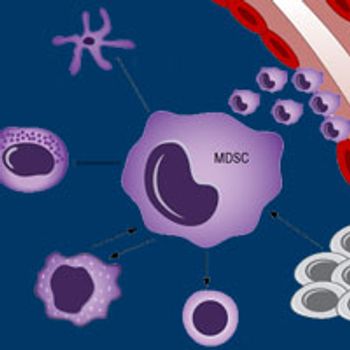
As the role that the tumor microenvironment plays in the development of cancer becomes increasingly well understood, a new player has emerged: myeloid-derived suppressor cells.
Mark A. Rubin, MD, is an expert in prostate cancer genomics and pathology who has led key discoveries in the distinction between indolent and aggressive types of the malignancy.
Prostate cancer is slow-growing and readily curable in many cases, but the propensity for some tumors to develop into an aggressive, metastatic form that becomes resistant to androgen-targeting therapies continues to present a significant obstacle.
Matthew H. Kulke, MD, MMSc, discusses the clues obtained from genome sequencing studies in neuroendocrine tumors and the pressing need for further research.
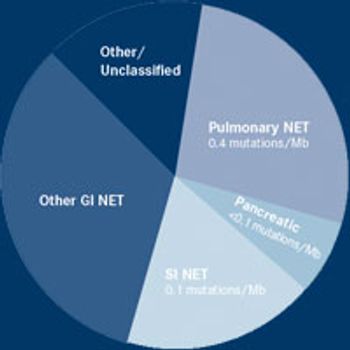
Genome sequencing studies are providing clues for therapeutic avenues of inquiry for the most common types of neuroendocrine tumors but are raising as many questions as they answer.
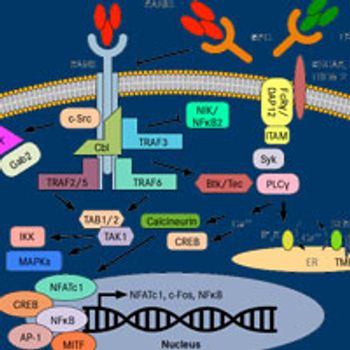
Inhibiting RANK signaling has proved a useful strategy in preventing the debilitating skeletal-related events that are associated with bone metastases in many patients with cancer.
Eva González-Suárez, PhD, discusses research on understanding the mechanisms leading to cell transformation, the metastatic capability of epithelial cells, and the disruption of signaling pathways in cancer, including the role of the RANK pathway in the regulation of tumor-stroma crosstalk and as a novel therapeutic target in cancer.
Christina M. Annunziata, MD, PhD, has been instrumental in the genomic profiling of ovarian cancers and in elucidating the molecular pathways that are central to this disease.
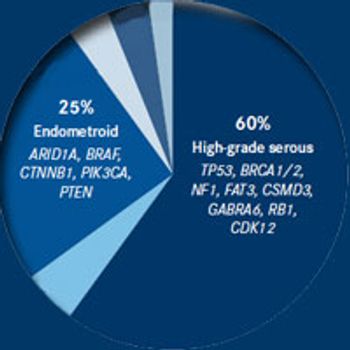
Genome sequencing studies have uncovered an array of distinct genomic drivers underlying various ovarian cancer subtypes. If researchers can capitalize on these discoveries, it may offer a path to more individualized and effective treatment options.
Despite a leap forward in our understanding of the molecular mechanisms of cancer pain in the past several decades, clinical translation of targeted therapies has been slow.
Brian L. Schmidt, DDS, MD, PhD, discusses the difficulties of studying cancer pain and developing new drugs.
Andrew S. Brohl, MD, discusses some of the recent findings of genomic studies of sarcomas.
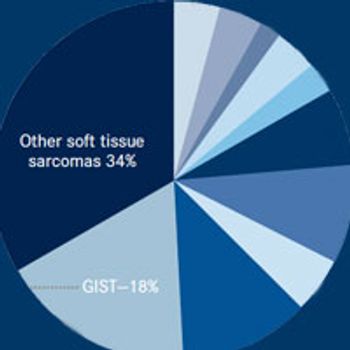
Researchers are focusing genomic sequencing studies on many different types of sarcomas to emphasize the significant heterogeneity and the unique molecular mechanisms underlying the development of these cancers.
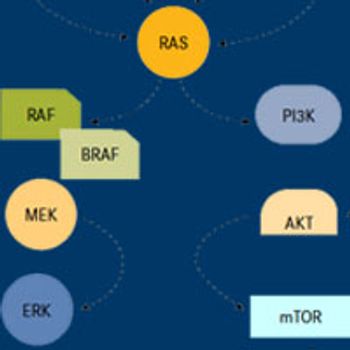
The types of BRAF mutations in non-small cell lung cancer may differ from those observed in melanoma, and a greater understanding of these nuances and their sensitivity to currently available drugs is a central focus of ongoing research.
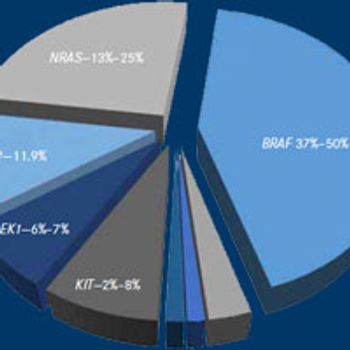
Next-generation sequencing technology is providing greater insight and has uncovered new and unexpected players in melanoma.

MET exon 14 skipping mutations are emerging as a particularly promising biomarker, at least in the context of lung cancer.
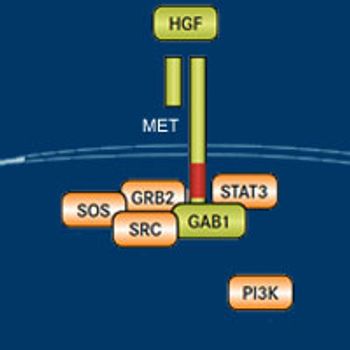
Enthusiasm for the MET signaling pathway as a target for anticancer therapy has not waned despite several high-profile failures in multiple indications. This persistence appears to be paying off as promising new data emerge from more recent clinical trials.
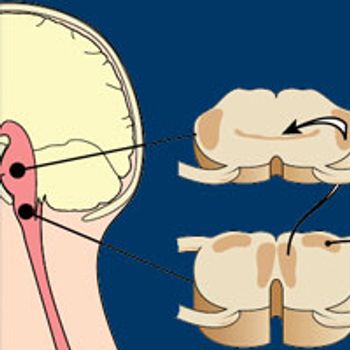
The new generation of drugs that have emerged as part of antiemetic cocktails have demonstrated greater success in preventing and controlling CINV but the symptoms still present significant obstacles in anticancer therapy.
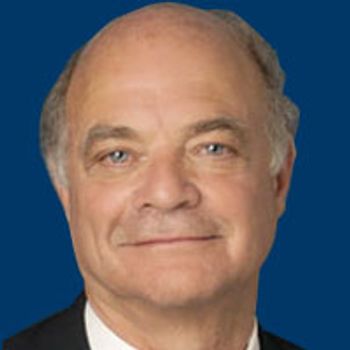
Robert S. Kerbel, PhD, discussed the evolving landscape of VEGF targeting and some of the unique challenges posed by the strategy.

Next-generation sequencing efforts focusing on the most common form, head and neck squamous cell carcinoma, are illuminating the hidden complexities of its genome.